
The right kitchen cabinet color can completely change the mood of your kitchen without the cost of a full renovation. These best kitchen cabinet paint colors range from timeless neutrals to rich, dramatic shades that can make cabinets look fresh, stylish, and inviting.
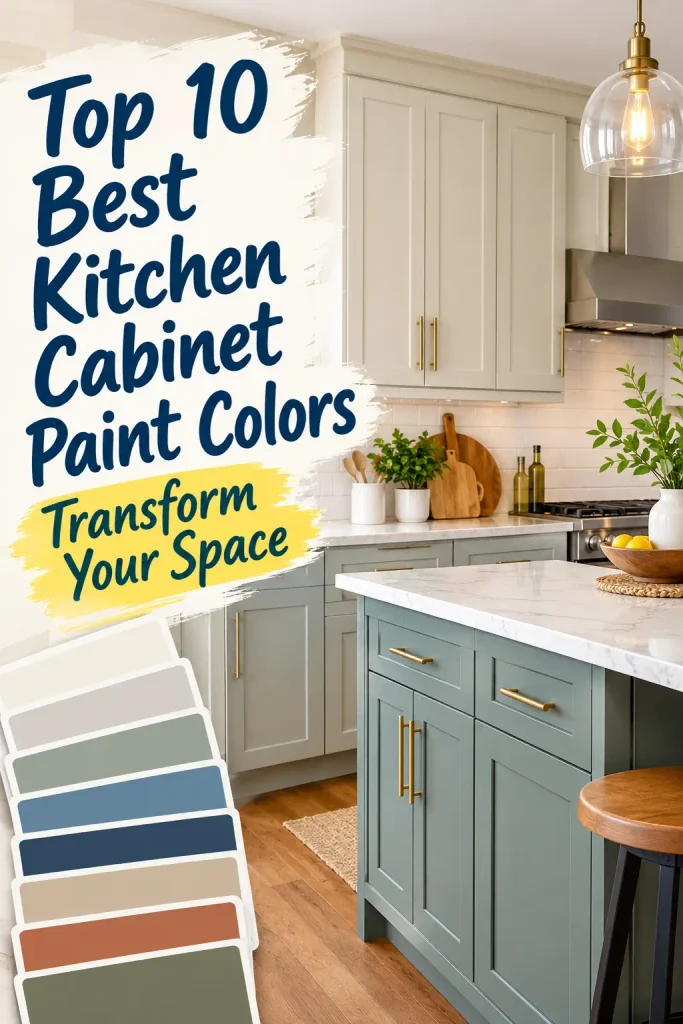
Whether you want a bright farmhouse kitchen, a modern space, or a warm and cozy room, choosing the right cabinet color makes a major difference. Consider your countertops, flooring, backsplash, lighting, and overall style before picking your perfect shade.
Items to Buy Before Painting Kitchen Cabinets
Before starting your cabinet makeover, gather everything you need so the project moves smoothly.
- High-quality cabinet or furniture paint
- Bonding primer
- Fine-grit sandpaper
- Degreasing cleaner
- Microfiber cloths
- Paint trays
- High-quality angled brush
- Small foam or microfiber roller
- Painter’s tape
- Drop cloths
- Screwdriver or drill
- Wood filler
- Caulk, if needed
- Protective topcoat when recommended
- Cabinet labels or masking tape for organizing doors and hardware
A quality primer and durable cabinet paint are especially important because kitchen cabinets experience frequent touching, cleaning, moisture, and temperature changes.
How to Choose the Best Kitchen Cabinet Paint Color
Choosing a cabinet color is easier when you look at the entire kitchen rather than the cabinets alone.
Consider Natural and Artificial Lighting
A color can look dramatically different throughout the day. Bright white may appear crisp in strong daylight but cooler under certain artificial bulbs. Dark green or navy can look sophisticated in natural light but much deeper in a poorly lit kitchen.
Always test your chosen shade on a cabinet door or large sample board before committing.
Coordinate With Countertops and Backsplash
Your countertop and backsplash should help guide your cabinet color. Warm countertops often pair beautifully with cream, beige, olive, or muted green cabinets, while cooler stone can work well with gray, blue, or crisp white.
Think About the Kitchen Size
Light cabinet colors can make a smaller kitchen feel more open and airy. Deeper colors can add personality and sophistication but may feel heavy when used throughout a very small or poorly lit kitchen.
Top 10 Best Kitchen Cabinet Paint Colors
1. Classic White
Classic white remains one of the most versatile kitchen cabinet colors. It creates a clean, bright appearance and works beautifully with nearly every kitchen style, from traditional and farmhouse to contemporary and coastal.
White cabinets are particularly useful in smaller kitchens because they reflect light and help the room feel more spacious. Pair them with natural wood, black hardware, brass fixtures, or colorful backsplashes to create different looks without repainting the cabinets.
2. Soft Greige
Soft greige combines the warmth of beige with the sophistication of gray, making it an excellent choice for kitchen cabinets. It provides more depth than white while remaining neutral enough to work with many countertops and flooring styles.
Greige cabinets are especially attractive in kitchens with warm wood floors, marble-look countertops, or neutral backsplashes. Choose a lighter greige for an airy appearance or a deeper shade when you want the cabinets to become a stronger design feature.
3. Warm Cream
Warm cream is perfect when bright white feels too stark. This gentle shade creates a welcoming kitchen with a softer, more traditional appearance.
Cream cabinets pair especially well with natural wood, warm brass hardware, beige countertops, and vintage-inspired fixtures. They can also help create a charming farmhouse or cottage-style kitchen. If your kitchen receives warm natural light, cream can make the entire space feel comfortable and inviting.
4. Sage Green
Sage green has become a favorite for homeowners who want colorful cabinets without overwhelming the room. Its muted appearance gives the kitchen personality while maintaining a calm and natural feeling.
Sage green looks beautiful with white countertops, light wood flooring, brushed brass hardware, and creamy backsplashes. It can work especially well in farmhouse, cottage, Scandinavian, and transitional kitchens. For a subtle transformation, choose a pale sage; for more impact, select a slightly deeper muted green.
Navy blue is a sophisticated cabinet color that can give a kitchen a dramatic yet timeless appearance. It works particularly well on islands or lower cabinets when you want to introduce contrast without making the entire kitchen feel dark.
Pair navy cabinets with white countertops and backsplash for a crisp look, or combine them with warm wood and brass hardware for a richer design. Because navy is relatively deep, make sure the kitchen has enough lighting to balance the color.
6. Light Gray
Light gray cabinets offer a modern neutral alternative to white. They create a polished appearance while adding subtle color and depth to the kitchen.
This shade works particularly well with white countertops, stainless-steel appliances, subway tile, and contemporary hardware. Light gray can also help hide everyday dust and minor marks better than very bright white. If your kitchen has cool lighting, consider a gray with subtle warm undertones to prevent the room from feeling too cold.
7. Deep Forest Green
For homeowners who want bold, nature-inspired cabinets, deep forest green can create a stunning statement. This rich shade brings depth and character while still feeling sophisticated.
Forest green looks particularly beautiful with warm brass hardware, creamy countertops, natural wood, and off-white walls. Consider using it throughout the kitchen if you have plenty of natural light, or use it on an island to create a dramatic focal point while keeping the perimeter cabinets lighter.
8. Charcoal Gray
Charcoal gray is an excellent option for a modern or industrial-inspired kitchen. It provides the visual impact of a dark cabinet color without the strong color association of navy or green.
Use charcoal cabinets with white marble-look surfaces, light backsplash tile, wood accents, or metallic hardware. Because the color is deep, balance it with lighter walls, good lighting, and reflective surfaces. It can look particularly striking on a kitchen island.
9. Dusty Blue
Dusty blue brings a relaxed and slightly vintage feeling to kitchen cabinets. Unlike bright blue, its muted quality makes it easy to live with and simple to coordinate with other finishes.
This shade pairs beautifully with white, cream, light gray, natural wood, and aged brass. Dusty blue can work in coastal, farmhouse, cottage, and transitional kitchens. It is also a great option when you want colorful cabinets but prefer something softer than navy or emerald green.
10. Warm Taupe
Warm taupe is an understated cabinet color that adds sophistication without dominating the room. Its balanced neutral appearance makes it especially useful when your kitchen already has several visual elements.
Taupe cabinets can complement warm stone countertops, wood flooring, cream walls, brass hardware, and neutral tile. Choose a lighter taupe for a relaxed appearance or a deeper taupe for a more luxurious feel. It is a particularly good choice for kitchens where you want warmth without using traditional beige.
Best Cabinet Colors for a Small Kitchen
When working with a small kitchen, lighter cabinet colors are often the safest choice. White, cream, light gray, soft greige, and pale sage can reflect more light and help the room feel open.
However, you do not have to avoid dark colors completely. A navy, forest green, or charcoal island can create a beautiful focal point while lighter perimeter cabinets keep the room visually balanced.
Glossy or satin surfaces can also help reflect light, although the finish should be selected based on durability and the cabinet material.
Best Kitchen Cabinet Colors for a Modern Kitchen
Modern kitchens often benefit from clean, sophisticated colors with simple undertones. Consider:
- Crisp white
- Light gray
- Soft greige
- Charcoal gray
- Deep navy
- Muted sage
For a contemporary appearance, combine the cabinet color with streamlined hardware, simple backsplash tile, and uncluttered countertops.
If you want a warmer modern kitchen, introduce wood accents or warm metallic hardware rather than relying entirely on cool gray tones.
Best Cabinet Colors for a Farmhouse Kitchen
Farmhouse kitchens tend to look beautiful with colors that feel relaxed, warm, and slightly muted.
Cream, white, sage green, dusty blue, warm taupe, and soft greige are excellent choices. Combine painted cabinets with natural wood, simple hardware, classic backsplash tile, and warm lighting for a welcoming farmhouse atmosphere.
For extra character, consider painting the island a contrasting shade while keeping the main cabinets lighter.
Should You Paint the Kitchen Island a Different Color?
Absolutely. A contrasting kitchen island can add visual interest without requiring you to commit to a bold color throughout the entire kitchen.
For example, white perimeter cabinets can be paired with a navy, charcoal, forest green, or deep taupe island. Similarly, warm cream cabinets can look beautiful with a muted sage or dusty blue island.
The island color should connect with another element in the room, such as the backsplash, flooring, hardware, or accent furniture.
How to Prepare Kitchen Cabinets for Painting
Preparation is one of the most important parts of getting a professional-looking finish.
1. Remove the Doors and Hardware
Remove cabinet doors, drawers, hinges, and handles when possible. Label each door and its hardware so everything returns to the correct position.
2. Clean Thoroughly
Kitchen cabinets collect grease, cooking residue, dust, and fingerprints. Use an appropriate degreasing cleaner and wipe the surfaces thoroughly before sanding.
3. Repair Imperfections
Fill dents, scratches, holes, or unwanted hardware openings with suitable filler. Allow the material to dry completely before sanding smooth.
4. Sand the Surface
Lightly sand the existing finish to create a surface that primer can grip. You generally do not need to remove every bit of the existing finish unless the coating is failing.
5. Apply Primer
Use a bonding primer appropriate for the cabinet material and existing finish. Allow it to dry according to the manufacturer’s instructions.
6. Paint in Thin Coats
Apply thin, even coats instead of trying to achieve complete coverage in one pass. Multiple thin coats usually produce a smoother and more durable result.
How to Make Painted Cabinets Look Professional
The paint color matters, but technique makes an equally important difference.
Work in a clean, well-ventilated area and avoid painting when dust or humidity is likely to interfere with drying. Use a quality brush for corners and detailed areas and a suitable roller for larger flat surfaces.
Allow each coat to dry properly before applying another. Rushing the process can lead to sticking, visible brush marks, uneven coverage, or premature damage.
For cabinet doors, painting both sides carefully and allowing adequate curing time before reinstalling them can help prevent fingerprints and sticking.
Common Kitchen Cabinet Painting Mistakes
Skipping Cleaning
Painting directly over grease or cooking residue can cause adhesion problems. Thorough cleaning should always come first.
Choosing a Color Without Testing
A color that looks perfect online may look completely different in your kitchen. Lighting, countertops, flooring, and surrounding wall colors all influence how paint appears.
Using Too Much Paint
Heavy coats can create drips, brush marks, and uneven drying. Thin coats are generally easier to control.
Reinstalling Cabinets Too Soon
Paint may feel dry before it has fully cured. Reinstalling doors or using cabinets heavily too soon can cause scratches, dents, or sticking.
Ignoring the Undertones
Two shades that appear similar can have very different undertones. Compare samples beside your countertops, backsplash, flooring, and walls before making your final choice.
How to Choose Cabinet Hardware for Your Paint Color
Hardware is a simple way to complete the cabinet makeover.
Brass and warm gold hardware can make cream, sage, navy, forest green, and taupe cabinets feel warmer and more luxurious. Matte black works especially well with white, gray, greige, and bold cabinet colors.
Chrome and brushed nickel can complement modern white, gray, blue, and charcoal cabinets. If your kitchen already has several metal finishes, try to choose hardware that complements rather than competes with the existing fixtures.
How to Keep Painted Kitchen Cabinets Looking Fresh
Regular gentle cleaning can help preserve the finish. Wipe spills promptly and avoid harsh cleaners that may damage the coating.
Use soft cloths or non-abrasive cleaning materials, particularly around handles and frequently touched areas. If small scratches or chips eventually appear, touch-up paint can help keep the cabinets looking polished.
Good ventilation is also helpful because kitchens naturally experience moisture, heat, and cooking residue.
Frequently Asked Questions
What is the most popular color for kitchen cabinets?
White remains one of the most versatile choices because it works with many kitchen styles and materials. However, sage green, greige, navy, and other muted colors are excellent alternatives when you want more personality.
What cabinet color makes a kitchen look bigger?
Light shades such as white, cream, pale gray, soft greige, and light sage can make a kitchen feel brighter and more spacious, especially when the room has limited natural light.
Are dark kitchen cabinets a good idea?
Yes. Navy, forest green, and charcoal can create a sophisticated kitchen. They work especially well when balanced with lighter countertops, walls, backsplash materials, and sufficient lighting.
What color cabinets will not go out of style?
Classic white, warm cream, soft greige, and certain muted gray tones are dependable choices because they are versatile and easy to coordinate with changing décor.
Should kitchen cabinets be lighter or darker than walls?
Either can work. Lighter cabinets with darker walls create contrast, while darker cabinets against lighter walls can make the cabinets a strong focal point. Consider the size and lighting of your kitchen when deciding.
Is sage green good for kitchen cabinets?
Yes. Sage green is a versatile muted color that works well with white, cream, natural wood, brass, and many neutral finishes. It adds color while maintaining a relaxed appearance.
Final Words
The best kitchen cabinet paint colors can refresh your entire kitchen without requiring a complete remodel. From timeless white and warm cream to sophisticated navy, sage green, charcoal, and taupe, there is a color for almost every decorating style.
Before painting, test your favorite shades in the actual kitchen and view them under different lighting conditions. With careful preparation, quality materials, and the right color, your cabinets can become one of the most beautiful features in your home.