
Choosing the right paint for vinyl windows can refresh your home’s exterior, coordinate the frames with your siding, and give older windows a cleaner appearance. However, vinyl is a smooth material that expands and contracts with temperature changes, so ordinary paint may not adhere properly or remain flexible enough over time.
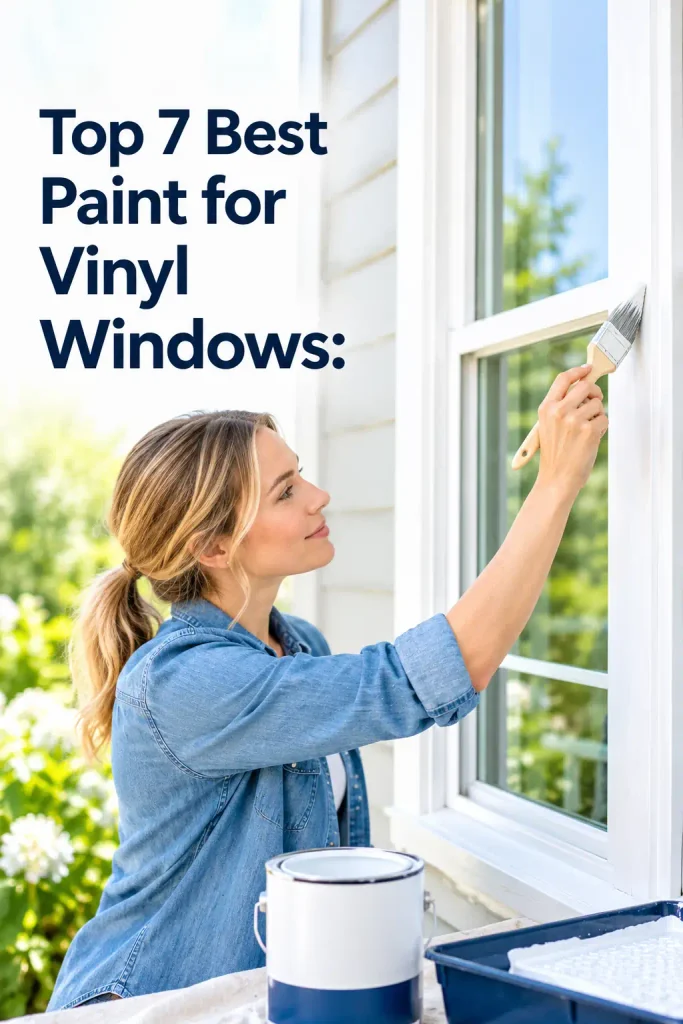
The best results come from using an exterior paint system approved for vinyl, preparing the frames carefully, and selecting a color that will not create excessive heat buildup. This guide compares seven paint options and explains what to check before starting your project.
Affiliate disclosure: As an Amazon Associate I earn from qualifying purchases.
Top 7 Best Paint for Vinyl Windows: Quick Comparison
| Product Name | Best For | Check Price |
|---|---|---|
| 1. Sherwin-Williams Emerald Urethane Trim Enamel | Smooth, durable trim finish | Check on Amazon |
| 2. Sherwin-Williams Duration Exterior Acrylic Latex | Exterior protection and color retention | Check on Amazon |
| 3. Benjamin Moore Aura Exterior Paint | Premium exterior finish | Check on Amazon |
| 4. Benjamin Moore Regal Select Exterior Paint | Reliable exterior color options | Check on Amazon |
| 5. BEHR MARQUEE Exterior Paint | Home exterior color coordination | Check on Amazon |
| 6. PPG Permanizer Exterior Acrylic Paint | Weather-resistant exterior coating | Check on Amazon |
| 7. Sherwin-Williams SuperPaint Exterior Acrylic Latex | Everyday exterior painting projects | Check on Amazon |
1. Sherwin-Williams Emerald Urethane Trim Enamel
Best for: A smooth, durable trim finish
Sherwin-Williams Emerald Urethane Trim Enamel is worth considering when you want a refined finish on window trim and other architectural details. Its enamel-style finish is designed for trim applications, making it an option to investigate for homeowners seeking a neat, professionally finished appearance around their windows.
One of the main advantages of a trim enamel is its ability to create a more uniform appearance when properly applied. Carefully prepared frames, thin coats, and suitable application tools can help produce a clean finish without excessive brush marks. The available sheen options may also make it easier to coordinate window frames with doors, exterior trim, and other painted details.
However, vinyl window frames require special attention. A product being suitable for trim does not automatically mean every version is suitable for every vinyl window. Before using Emerald Urethane Trim Enamel, verify the current technical data and confirm that the chosen color and system are approved for your specific vinyl surface.
Why consider this paint:
- Designed for trim and architectural details.
- Can provide a smooth, polished appearance.
- Offers finish options for different design preferences.
- Worth evaluating for coordinated window and exterior trim projects.
Potential drawback: It is a premium product, and the correct primer and application method may add to the project cost. Compatibility must be confirmed before applying it to vinyl frames.
Buying tip: Ask the paint supplier whether the exact product and selected color are suitable for vinyl windows. If the frame is white and you want a darker finish, do not assume that a standard dark tint will be safe.
2. Sherwin-Williams Duration Exterior Acrylic Latex
Best for: Exterior protection and color coordination
Sherwin-Williams Duration Exterior Acrylic Latex is an exterior paint line to consider when updating the appearance of window frames as part of a broader home improvement project. Its exterior formulation is intended for outdoor exposure, making it relevant when coordinating windows with siding, exterior doors, and other architectural features.
A coordinated color scheme can make a significant difference to a home’s appearance. For example, light gray frames can complement a white or cream exterior, while warm off-white may work well with beige siding. The important consideration is not simply choosing a pleasing shade, but selecting one that the manufacturer approves for the vinyl substrate.
Duration is not automatically suitable for every vinyl window in every color. Confirm the product’s current application instructions, whether a bonding primer is required, and whether the chosen shade belongs to an approved vinyl-safe color system.
Why consider this paint:
- Designed for exterior painting applications.
- Useful when coordinating several exterior surfaces.
- Offers color options for different home styles.
- Can be considered for a larger exterior refresh when compatibility is confirmed.
Potential drawback: The cost may be higher than that of basic exterior paints. The availability of specific colors and finishes may also vary by retailer.
Buying tip: If you are painting both siding and window frames, check whether the same product system is approved for both materials. A paint that works on siding is not automatically appropriate for every window component.
3. Benjamin Moore Aura Exterior Paint
Best for: A premium exterior finish
Benjamin Moore Aura Exterior Paint is another exterior paint line worth evaluating for projects where color appearance and long-term exterior performance are important. It may be useful when you want the window frames to complement the home’s main exterior palette without looking like an afterthought.
A carefully chosen shade can create a subtle or dramatic change. Soft greige can provide contrast against white siding, pale blue can suit a coastal-inspired home, and warm white can create a cohesive look with light-colored trim. On vinyl, though, the color must also be appropriate for the material’s heat limitations.
Benjamin Moore offers guidance on painting vinyl and selecting suitable colors, but you should confirm that the specific Aura Exterior product and tint are approved for your window frames. Do not assume every color available through the paint counter is safe for vinyl.
Why consider this paint:
- Premium exterior paint option.
- Useful for coordinating window frames with siding and trim.
- Offers a broad selection of colors through the paint system.
- Worth considering when appearance is a major priority.
Potential drawback: Premium exterior paint can be expensive, and a suitable color may require additional consultation with a retailer familiar with vinyl-safe applications.
Buying tip: Ask for the manufacturer’s current vinyl-safe color guidance. If you are considering a charcoal, navy, or black finish, verify that the exact formula is specifically approved for the existing vinyl.
4. Benjamin Moore Regal Select Exterior Paint
Best for: Exterior color options and home coordination
Benjamin Moore Regal Select Exterior Paint is an option to investigate when you want an exterior coating that coordinates with the rest of your home’s color scheme. It may be particularly relevant when window frames are part of a larger repainting project involving exterior trim or other architectural details.
The finish you choose can influence the overall style of your home. A soft neutral may keep the exterior understated, while a carefully selected contrasting color can make the windows stand out. For vinyl, however, aesthetic choices must be balanced with the risk of heat buildup and the product’s application restrictions.
Before purchasing Regal Select Exterior for window frames, verify the exact formula and confirm that it is suitable for vinyl. Follow the manufacturer’s guidance on surface preparation, primer, and approved colors rather than relying solely on general exterior-paint recommendations.
Why consider this paint:
- Exterior paint option for coordinated color schemes.
- Suitable to investigate for broader home-refresh projects.
- Offers color choices for traditional and contemporary exteriors.
- Can help create a consistent look when used in an approved system.
Potential drawback: Not every exterior paint product or tint is designed for vinyl. You may need to consult a Benjamin Moore retailer to determine the right system for your windows.
Buying tip: Bring the window manufacturer’s information or identify the frame material before selecting a paint. Ask the retailer to verify the product’s suitability for the exact vinyl application rather than recommending a paint based only on its exterior rating.
5. BEHR MARQUEE Exterior Paint
Best for: Coordinating window frames with the home’s exterior
BEHR MARQUEE Exterior Paint is an option to investigate when you want to coordinate window frames with the broader color palette of your home. Homeowners often repaint exterior details to make the property look more cohesive, especially when updating siding, shutters, doors, or decorative trim.
The key advantage of planning the color scheme before painting is that you can compare the window frames against the actual exterior materials. A light warm gray may complement stone or beige siding, while a creamy white can work with many traditional home styles.
Nevertheless, the suitability of a particular BEHR MARQUEE product for vinyl windows must be confirmed. Exterior labeling alone does not establish that the paint is approved for every type of vinyl frame. Follow the manufacturer’s current guidance on compatible substrates and color restrictions.
Why consider this paint:
- Exterior paint option for coordinating home colors.
- Useful when planning a unified exterior appearance.
- Available in a range of colors through the manufacturer’s system.
- Can be evaluated for vinyl only after compatibility is confirmed.
Potential drawback: The exact product line, tint, and application instructions matter. A color that looks appropriate on a sample card may not be approved for a vinyl frame exposed to direct sunlight.
Buying tip: Ask the retailer to confirm whether the selected BEHR product is approved for vinyl windows and whether a specific primer is required. If the paint will be applied to multiple materials, verify compatibility with each one separately.
6. PPG Permanizer Exterior Acrylic Paint
Best for: Weather-resistant exterior coating projects
PPG Permanizer Exterior Acrylic Paint is an exterior coating line worth researching when you want to refresh the appearance of window frames as part of an exterior maintenance project. When selecting paint for an outdoor surface, resistance to weather exposure and maintaining an attractive finish are important considerations.
A window frame faces a different combination of conditions from an indoor trim surface. Sunlight, moisture, temperature changes, and repeated expansion and contraction can affect how well a coating performs. For that reason, choosing a suitable exterior formula and preparing the surface properly are both essential.
PPG Permanizer should not be treated as automatically vinyl-safe simply because it is designed for exterior use. Check the current technical documentation and ask PPG or an authorized retailer whether the exact product is approved for the vinyl window material you intend to paint.
Why consider this paint:
- Exterior acrylic paint option.
- Relevant to broader exterior maintenance projects.
- Can be evaluated for color coordination with other painted surfaces.
- Offers an alternative manufacturer to compare with other exterior systems.
Potential drawback: Confirming suitability may require advice from a PPG retailer. Do not purchase it for vinyl windows until the manufacturer confirms the correct product and application method.
Buying tip: Ask whether the coating needs a bonding primer and whether the selected color has any restrictions for vinyl. Keep the product documentation so you can follow the specified preparation, application, and curing instructions.
7. Sherwin-Williams SuperPaint Exterior Acrylic Latex
Best for: Everyday exterior painting projects
Sherwin-Williams SuperPaint Exterior Acrylic Latex is another exterior paint line to compare when planning a home color update. It may be relevant if you are already choosing an exterior paint for nearby surfaces and want to investigate a compatible system for the window frames.
Choosing colors together can make the finished exterior feel more intentional. For example, matching the frames closely to the trim can create a seamless appearance, while a carefully chosen contrasting shade can make the window shapes more noticeable. Vinyl’s material limitations must remain the priority when making that choice.
Before applying SuperPaint to vinyl, verify the current product specifications and the manufacturer’s vinyl-safe color guidance. The fact that an exterior acrylic latex works on one surface does not mean it will adhere properly to every vinyl window or be suitable in every tint.
Why consider this paint:
- Established exterior acrylic latex paint line.
- Useful to compare when planning a whole-home color update.
- Offers options for coordinating exterior colors.
- Can be considered for vinyl only if the exact system is approved.
Potential drawback: A separate bonding primer may be required, and some colors may not be appropriate for vinyl. It is important to confirm the manufacturer’s instructions rather than assuming the standard application will work.
Buying tip: Ask the paint supplier to verify the specific SuperPaint formula, approved color, and primer requirements for vinyl windows. If the supplier cannot confirm suitability, choose a system with explicit approval for the substrate.
What Is the Best Type of Paint for Vinyl Windows?
When choosing paint for vinyl windows, prioritize the coating’s compatibility with the material over the brand name. Vinyl is a relatively smooth plastic surface, and temperature changes cause it to expand and contract. A coating that does not bond properly or tolerate this movement can crack, peel, or fail prematurely.
Vinyl-safe acrylic paint
A 100% acrylic exterior paint may be appropriate when the manufacturer specifically approves the product for vinyl. Acrylic formulations are commonly used for exterior applications, but not every acrylic paint is designed for vinyl window frames.
Look for clear manufacturer instructions identifying vinyl or PVC as an approved substrate. Confirm whether the paint can be applied directly or needs a dedicated bonding primer.
Urethane-acrylic or urethane-modified enamel
Some urethane-modified coatings are designed to provide a durable, smooth finish on trim. These may be worth considering for window projects, but the exact formulation and vinyl compatibility must be verified.
Do not choose a product based only on the words enamel, urethane, or trim paint. The manufacturer’s application guidance is more important than the general product category.
Bonding primer
A bonding primer may help a topcoat adhere to a smooth, difficult surface. Products such as INSL-X STIX Waterborne Bonding Primer and KILZ Adhesion High-Bonding Primer are examples to investigate, but confirm that the specific primer is suitable for your vinyl window and compatible with the chosen topcoat.
Not every vinyl-safe paint system requires a separate primer. Follow the paint manufacturer’s instructions rather than automatically adding a primer that may not be necessary or compatible.
Paints to avoid unless specifically approved
Do not use ordinary interior wall paint, an arbitrary oil-based enamel, or a general-purpose coating simply because it is available in your preferred color. These products may not adhere well or tolerate the movement and outdoor exposure associated with vinyl frames.
Also, do not assume that a spray paint intended for small plastic objects is appropriate for a complete window frame. Always check the intended substrate and application instructions.
How to Choose the Best Paint for Vinyl Windows
The right product depends on the window’s condition, the desired color, and the manufacturer’s instructions. Use the following factors to compare your options.
1. Confirm the window material
Some window frames are vinyl, while others may be painted wood, aluminum, fiberglass, or a combination of materials. Identify the frame material before buying paint.
If you are unsure, consult the window manufacturer’s documentation or a qualified window professional. The correct coating for one material may not be suitable for another.
2. Check the window warranty
Painting a vinyl window may affect the manufacturer’s warranty. Some manufacturers restrict painting, specify approved products, or provide particular rules for color changes.
Review the warranty and care instructions before beginning. If painting could invalidate important coverage, ask the manufacturer about approved alternatives.
3. Choose an approved color
Color is a critical consideration because darker finishes can absorb more solar energy than lighter ones. Excessive heat buildup can contribute to vinyl distortion, seal problems, or other damage.
Many paint manufacturers provide vinyl-safe color guidance or approved palettes. Some systems use a Light Reflectance Value (LRV) guideline, and an LRV around 55 or higher is often cited as a general reference for reducing heat-related risk. However, it is not a universal guarantee: follow the exact window and paint manufacturer’s requirements.
If your existing frames are white, do not assume that painting them black or dark charcoal is safe. Use a dark color only when the specific paint system and window manufacturer allow it.
4. Decide whether a primer is necessary
A bonding primer can be useful on certain difficult surfaces, but the need for one depends on the selected paint system and the condition of the frame.
Check whether the paint is approved for direct application to vinyl. If a primer is required, confirm that both products are compatible and follow their instructions for drying and recoating.
5. Consider the finish
The sheen affects the appearance of the finished frame. Satin and semi-gloss finishes are often chosen for trim because they can be easier to clean than very flat surfaces. The available finish, however, should be compatible with the approved vinyl paint system.
Choose a sheen that complements the home’s exterior rather than focusing on appearance alone.
6. Calculate how much paint you need
Window frames have relatively small surface areas, but several windows can still require more paint than expected, especially when applying multiple coats.
Measure the areas you plan to paint and use the coverage information on the product label. Account for the number of coats, the frame’s condition, and any additional trim included in the project. Do not buy paint based on the number of windows alone.
7. Compare the total cost
The cheapest paint is not necessarily the most economical option if it requires incompatible primer, additional coats, or early repainting. Compare the cost of the complete approved system, including primer where needed, masking supplies, brushes, rollers, and protective materials.
A smaller quantity of an appropriate product may be more useful than a large container of paint that is not approved for vinyl.
How to Paint Vinyl Windows Step by Step
Once you have confirmed that painting is permitted and selected a compatible product, careful preparation will help you achieve a more consistent result.
Step 1: Inspect the frames
Check for cracks, warping, loose seals, damaged weatherstripping, or other problems. Paint is not a repair for structural damage, and a badly damaged window may require professional attention or replacement.
Also identify moving parts, drainage openings, and weatherstripping that must remain free of paint.
Step 2: Clean the vinyl thoroughly
Remove dust, dirt, grease, and surface contamination using a cleaner approved by the window and paint manufacturers. Rinse if required and allow the frame to dry completely.
Avoid harsh solvents that could damage the vinyl or leave residues that interfere with adhesion.
Step 3: Prepare the surface as directed
Some paint systems call for light scuff-sanding, while others specify a different preparation method. Follow the exact product instructions and avoid aggressive sanding that could damage the frame.
If a bonding primer is required, use the specified product and respect its application and drying instructions.
Step 4: Protect surrounding surfaces
Use masking tape and suitable protective coverings to shield the glass, siding, hardware, seals, and nearby surfaces. Keep paint away from tracks, drainage openings, moving components, and weatherstripping.
Do not paint over any area that the window manufacturer identifies as a functional part of the assembly.
Step 5: Apply the approved coating
Use the application method permitted by the paint manufacturer. Depending on the product, this may involve a suitable brush, small roller, or approved spray equipment.
Apply thin, even coats rather than trying to cover the entire frame in one heavy layer. Follow the specified drying and recoat times.
Step 6: Allow the finish to cure
Dry-to-touch does not necessarily mean fully cured. Protect the frame from dust, moisture, handling, and other disturbances for the period specified by the manufacturer.
Avoid closing or operating windows in a way that causes freshly painted surfaces to stick together.
Step 7: Inspect the finished work
Once the coating has cured sufficiently, check for missed areas, drips, and accidental paint on hardware or glass. Correct issues using the manufacturer’s recommended method.
Make sure all drainage openings, tracks, seals, and moving parts remain clear.
Common Mistakes to Avoid When Painting Vinyl Windows
Painting the frames a much darker color without checking compatibility
Dark colors can absorb more heat, increasing the risk of damage to vinyl. Always follow the window manufacturer’s restrictions and use only approved color systems.
Skipping surface preparation
Dirt, oils, and residue can prevent paint from bonding to the frame. Clean thoroughly and follow the preparation instructions for the chosen coating.
Using an incompatible primer
A primer designed for another substrate may not adhere properly to vinyl or may not work with the selected topcoat. Use only a compatible system approved for the application.
Applying excessively thick coats
Heavy coats can lead to uneven coverage, runs, longer drying times, and other finish problems. Apply the number of thin coats recommended by the manufacturer.
Painting over seals or drainage holes
Paint can interfere with window operation, drainage, and weather sealing. Protect all functional components and keep openings clear.
Ignoring manufacturer restrictions
Even a high-quality paint may not be suitable for a particular window. Confirm the product, color, and application method before starting.
Frequently Asked Questions
What is the best paint for vinyl windows?
The best option is an exterior paint system explicitly approved for vinyl window frames, often a suitable vinyl-safe acrylic or urethane-acrylic product. The correct choice depends on the window manufacturer’s guidance, the selected color, and whether a bonding primer is required.
Can you paint vinyl windows black?
Sometimes, but black paint can absorb substantial heat and may cause vinyl frames to warp or other components to fail. Use black only if the window manufacturer and the specific vinyl-safe paint system explicitly allow it. Otherwise, choose an approved lighter color.
Do vinyl windows need primer before painting?
Not always. Some approved paint systems permit direct application, while others require a bonding primer. Follow the technical instructions for the exact product and window material.
Can I use regular exterior paint on vinyl windows?
Do not assume that ordinary exterior paint is suitable. Use a product specifically approved for vinyl and confirm any color restrictions, preparation requirements, and primer instructions.
Is spray paint suitable for vinyl window frames?
Only if the exact spray product is approved for the particular vinyl surface and intended exposure. A general-purpose plastic spray paint may not be appropriate for complete exterior window frames. Follow the product label and window manufacturer’s guidance.
Will painting vinyl windows void the warranty?
It may. Warranty terms differ by manufacturer, and some restrict painting or require specific products and colors. Review the warranty or contact the manufacturer before proceeding.
How many coats of paint do vinyl windows need?
The number depends on the approved paint system, color change, and condition of the surface. Follow the manufacturer’s directions for primer, number of topcoats, and recoat intervals instead of applying a fixed number to every window.
What finish is best for vinyl windows?
A compatible satin or semi-gloss finish may be desirable for appearance and cleaning, but the correct choice depends on the product approved for your windows. Confirm that the chosen sheen is available in the specified vinyl-safe system.
Can I paint vinyl windows from white to gray?
A light gray may be possible if the specific color is approved for your vinyl frames. Check the manufacturer’s vinyl-safe palette and any LRV or heat-reflectance restrictions before choosing a shade.
Should I paint old vinyl windows or replace them?
Painting may be worth considering when the frames are structurally sound and the manufacturer permits it. Replacement may be the better option when the frames are warped, cracked, poorly sealed, or otherwise damaged. A window professional can help evaluate the condition and available options.
Final Words
The best paint for vinyl windows is not simply the most expensive or popular exterior paint. It is the product system that the manufacturer approves for your specific vinyl frames, combined with careful preparation and a suitable color.
Sherwin-Williams Emerald Urethane Trim Enamel, Sherwin-Williams Duration, Benjamin Moore Aura Exterior, Benjamin Moore Regal Select Exterior, BEHR MARQUEE Exterior, PPG Permanizer, and Sherwin-Williams SuperPaint are exterior paint lines worth comparing, but their suitability for vinyl must be verified individually.
Before purchasing, check the window warranty, confirm the exact paint and primer requirements, and choose a color approved for the material. With the right preparation and a compatible system, you can improve the appearance of your window frames while reducing the risk of peeling, cracking, or heat-related damage.