
Warm, cheerful, and full of personality, coral is a color that instantly adds energy to artwork, furniture projects, and home décor. If you’ve ever struggled to find the perfect shade at the store, learning how to make coral paint gives you complete control over the color, allowing you to create anything from soft peachy corals to bold tropical tones.
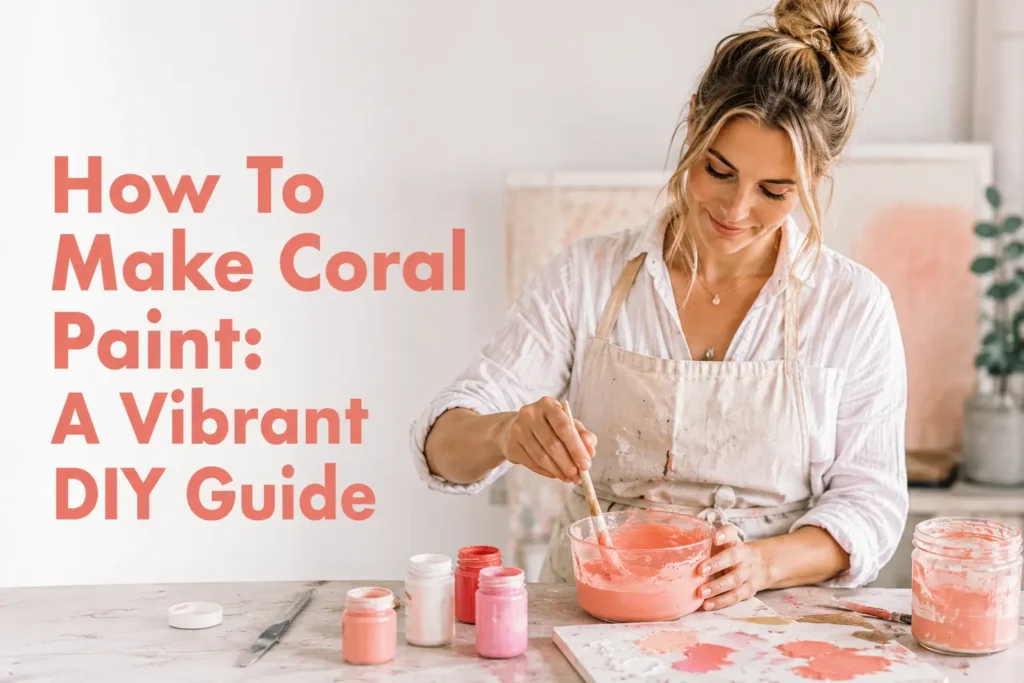
Because coral sits between pink, orange, and red on the color spectrum, achieving the ideal shade requires careful color mixing. This guide explains the paints you’ll need, how different pigments affect the result, and the step-by-step process for creating beautiful custom coral paint.
Items to Buy
- Red paint
- Yellow paint
- White paint
- Orange paint (optional)
- Acrylic paint set
- Paint palette
- Palette knife
- Paintbrushes
- Mixing tray
- Color wheel
- Water container
- Paper towels
- Canvas or practice paper
- Sketchbook
What Color Is Coral?
Coral is a vibrant blend of pink, orange, and red tones inspired by the natural colors found in coral reefs. Depending on the ratio of colors used, coral can appear soft and pastel-like or bright and tropical.
Unlike standard orange or pink, coral has a unique warmth that makes it versatile for many creative projects. It works beautifully in paintings, furniture makeovers, craft projects, and interior design because it pairs well with neutral, blue, green, and gold tones.
Artists often use coral to create focal points, add warmth to compositions, and introduce a fresh, energetic feel to their work.
Understanding the Colors Used to Make Coral
Coral isn’t usually created from a single paint tube. Instead, it’s mixed using a combination of red, yellow, and white paint. The balance between these colors determines the final appearance.
Red serves as the primary base color, providing richness and depth. Yellow adds warmth and shifts the mixture toward orange, while white lightens the color and creates the soft, inviting appearance commonly associated with coral.
Some artists also start with orange paint and gradually add white and red to fine-tune the shade. Both methods can produce beautiful results depending on the specific coral tone you’re trying to achieve.
Why Paint Selection Matters
Not all reds and yellows behave the same way when mixed. A warm red with orange undertones will create a different coral than a cool red with pink undertones.
Similarly, different yellow pigments can significantly affect the final mixture. Bright lemon yellows produce fresher coral shades, while deeper golden yellows create warmer, richer variations.
Experimenting with various pigments helps you discover unique coral colors and develop a better understanding of color mixing principles.
Common Coral Shades
Coral comes in many variations, each suitable for different artistic purposes.
Light coral contains more white and appears soft and pastel-like. Peach coral incorporates slightly more yellow, creating a warmer appearance. Tropical coral features stronger red and orange tones for a bold, vibrant effect.
Deep coral uses less white and more red, resulting in a richer, more dramatic color. Understanding these variations allows you to tailor your paint mixture to the needs of your project.
How To Make Coral Paint Step by Step Guide
Step 1: Set Up Your Workspace
Arrange your paints, palette, brushes, water container, and mixing tools on a clean work surface.
Having everything within reach allows you to focus on color mixing without interruptions and helps maintain consistency throughout the process.
Step 2: Start With Red Paint
Place a small amount of red paint onto your palette.
Red serves as the foundation of most coral mixtures, so begin with slightly more red than the other colors you plan to use.
Step 3: Add Yellow Paint
Mix a small amount of yellow paint into the red.
Blend thoroughly until the color begins to shift toward a warm orange-red tone. Add yellow gradually to avoid making the mixture too orange.
Step 4: Introduce White Paint
Add white paint a little at a time.
White softens the mixture and transforms the strong red-orange color into a recognizable coral shade. Continue mixing until the color becomes smooth and even.
Step 5: Evaluate the Shade
Observe the color under natural lighting if possible.
Coral can appear different depending on lighting conditions, so evaluating it carefully helps ensure you achieve the desired result.
Step 6: Adjust the Color
If the mixture appears too pink, add a tiny amount of yellow.
If it looks too orange, add a small amount of red. If it’s too dark, incorporate more white until you reach the preferred tone.
Step 7: Create Lighter Coral Variations
To make pastel coral, continue adding white paint in small increments.
Mix thoroughly after each addition to maintain a consistent color throughout the paint.
Step 8: Create Richer Coral Tones
For deeper coral shades, add a bit more red while reducing the amount of white.
This produces a more saturated and dramatic version of coral suitable for bold artwork and decorative projects.
Step 9: Test the Color
Apply a sample to paper, canvas, or a test surface.
Paint often dries slightly differently than it appears when wet, so testing the mixture helps confirm the final shade before beginning your project.
How to Make Different Coral Shades
One of the advantages of mixing your own coral paint is the ability to create countless variations.
Adding more white creates soft coral and pastel tones often used in nursery décor, floral paintings, and coastal-themed projects. Increasing yellow produces peach coral shades with a sunny, welcoming appearance.
For brighter tropical coral, increase both the red and yellow pigments while limiting white. This creates a vivid color that works well in abstract art and statement pieces.
Common Mistakes to Avoid
A frequent mistake is adding too much yellow too quickly. Excess yellow can push the mixture toward orange and make it difficult to achieve a balanced coral tone.
Another common issue is overusing white at the beginning of the mixing process. While white is important, adding too much early on can make the color appear washed out and require significant adjustments.
Many beginners also forget to mix thoroughly. Incomplete blending can leave streaks of color and make it difficult to accurately judge the final shade.
Tips for Better Color Mixing
Work with small amounts of paint until you determine the exact ratio you want. This reduces waste and makes adjustments easier.
Keep notes of successful color combinations, especially if you’re mixing paint for a large project. Recording ratios helps you recreate the same coral shade later if needed.
Using a palette knife rather than a brush often produces more consistent color mixing because it blends pigments evenly without absorbing paint.
Using Coral Paint in Creative Projects
Coral is a versatile color that works well in a variety of artistic and decorative applications. It is commonly used in floral paintings, coastal artwork, abstract pieces, and children’s room décor.
In home design projects, coral can add warmth to furniture, accent walls, planters, and decorative accessories. It also pairs beautifully with navy blue, teal, sage green, cream, and gold.
Because coral naturally attracts attention, many artists use it as an accent color to create focal points and visual interest within a composition.
FAQs
What colors make coral paint?
Coral paint is typically made by mixing red, yellow, and white. Adjusting the proportions creates different shades of coral.
Can I make coral paint using orange?
Yes. Orange can be used as a starting point. Adding red and white helps refine the mixture into a coral shade.
How do I make light coral paint?
Add more white paint to your coral mixture until you achieve the desired pastel appearance.
Why does my coral look too orange?
Too much yellow or orange paint can cause this. Add a small amount of red to rebalance the mixture.
What is the difference between coral and peach?
Coral generally contains stronger red and pink undertones, while peach tends to have more yellow and orange influences.
What paint type works best for mixing coral?
Acrylic paint is popular because it mixes easily, dries quickly, and is suitable for a wide variety of projects.
Final Words
Learning how to make coral paint gives you the freedom to create custom shades that perfectly match your artistic vision. By combining red, yellow, and white in different proportions, you can produce everything from delicate pastel coral to bold tropical hues.
The key to success is mixing gradually, testing your colors, and making small adjustments as needed. With practice, you’ll gain confidence in color mixing and develop a better understanding of how pigments interact. Whether you’re painting artwork, refreshing furniture, or completing a craft project, custom coral paint can bring warmth, energy, and creativity to your designs.