
A fiberglass spoiler can dramatically enhance the appearance and aerodynamics of a vehicle, but an unfinished, faded, or damaged spoiler can quickly detract from the overall look. Learning how to paint fiberglass spoiler components correctly helps protect the surface, improve durability, and achieve a professional finish that complements your vehicle’s style. Whether you’re installing a brand-new spoiler or refinishing an older one, proper painting techniques make all the difference.
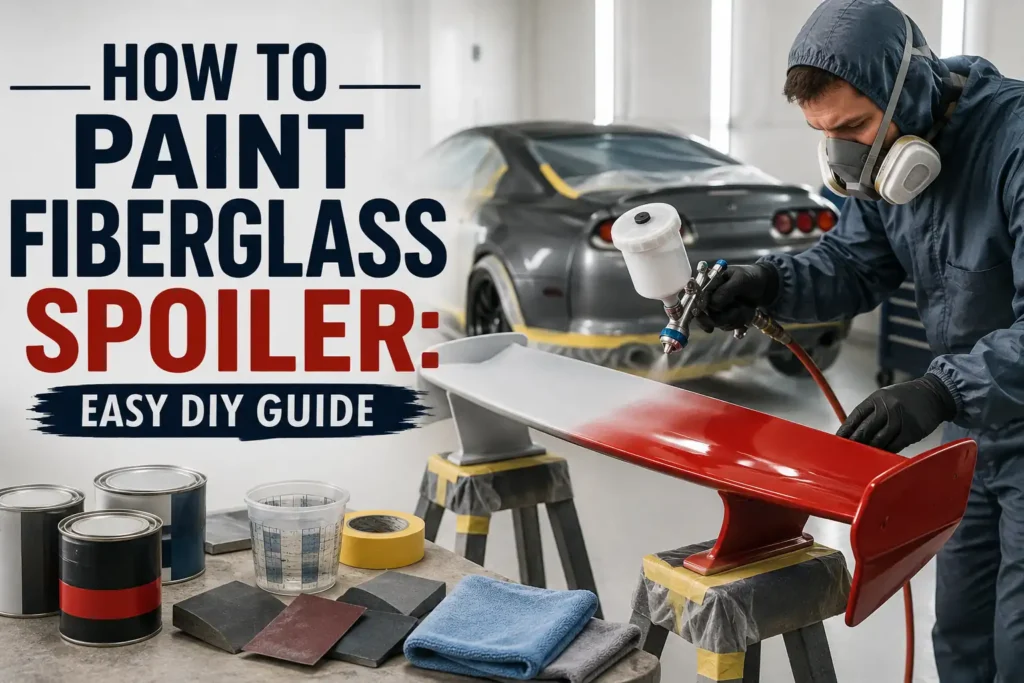
Fiberglass requires specific preparation before paint is applied. Unlike metal or plastic, fiberglass can contain imperfections, pinholes, and mold-release residues that interfere with paint adhesion. By using the correct sanding, priming, and painting methods, you can achieve long-lasting results that look factory-installed. This guide covers every step of the process from preparation to final polishing.
Items to Buy
- Automotive soap
- Wax and grease remover
- Microfiber cloths
- Sandpaper
- Wet sandpaper
- Sanding block
- Fiberglass filler
- Glazing putty
- Tack cloth
- Filler primer
- Automotive primer
- Base coat paint
- Automotive paint
- Spray gun
- Air compressor
- Paint mixing cups
- Clear coat
- Polishing compound
- Painter’s tape
- Masking paper
- Safety goggles
- Respirator mask
- Nitrile gloves
Why Paint a Fiberglass Spoiler?
Painting a fiberglass spoiler provides several benefits.
Advantages include:
- Improves appearance
- Protects fiberglass
- Matches vehicle color
- Covers repairs
- Enhances durability
- Blocks UV damage
- Increases resale appeal
- Creates a custom look
A properly painted spoiler can make an aftermarket accessory look like a factory-installed component.
Understanding Fiberglass Surfaces
Fiberglass is made from fine glass fibers embedded in resin.
Common characteristics include:
- Lightweight construction
- High strength
- Easy customization
- Repairable surface
- Paint-friendly finish when prepared properly
However, fiberglass often requires additional preparation to eliminate imperfections before painting.
Can You Paint a Fiberglass Spoiler?
Yes, fiberglass spoilers can be painted successfully.
Most aftermarket fiberglass spoilers are designed to be painted. In fact, many arrive in a gel-coat finish that is specifically intended for preparation and painting.
Proper sanding and priming are essential for achieving a durable finish.
Best Paint for Fiberglass Spoilers
Several automotive paint systems work well.
Popular options include:
- Acrylic urethane paint
- Automotive base coat
- Two-stage paint systems
- Single-stage automotive paint
- Professional automotive coatings
High-quality automotive paint generally provides the best durability and color retention.
Best Primer for Fiberglass
Primer plays an important role in the painting process.
Recommended products include:
- Automotive primer
- High-build primer
- Filler primer
- Epoxy primer
These products help create a smooth foundation for the paint.
Preparing a Fiberglass Spoiler for Painting
Preparation is the key to achieving professional results.
Many painting failures occur because the surface was not cleaned or sanded properly. Taking extra time during preparation often produces the biggest improvement in the final finish.
A smooth, clean surface allows primer and paint to adhere correctly.
How to Paint Fiberglass Spoiler Step by Step Guide
Step 1: Wash the Spoiler
Clean the spoiler thoroughly using automotive soap and water.
Remove:
- Dust
- Dirt
- Oils
- Manufacturing residue
- Storage contaminants
Allow the spoiler to dry completely.
Step 2: Remove Wax and Grease
Wipe the surface with wax and grease remover.
This step eliminates contaminants that could interfere with paint adhesion.
Repeat if necessary.
Step 3: Inspect the Surface
Check the spoiler carefully for:
- Pinholes
- Scratches
- Cracks
- Surface waves
- Manufacturing defects
Mark any imperfections for repair.
Step 4: Repair Surface Defects
Fill imperfections using:
- Fiberglass filler
- Glazing putty
Allow repair materials to cure fully before sanding.
Step 5: Sand the Entire Surface
Sand the spoiler evenly using fine-grit sandpaper.
The goal is to:
- Remove gloss
- Smooth repairs
- Improve primer adhesion
Use a sanding block where possible for consistent results.
Step 6: Clean Away Dust
Remove sanding residue with a tack cloth.
The surface should be completely clean before priming.
Dust particles can affect finish quality.
Step 7: Mask Areas as Needed
If painting the spoiler while mounted, protect surrounding surfaces using:
- Painter’s tape
- Masking paper
- Plastic sheeting
Careful masking reduces cleanup and overspray risks.
Step 8: Apply Filler Primer
Spray a light coat of filler primer.
This primer helps:
- Fill minor imperfections
- Create a smoother surface
- Improve paint adhesion
Allow it to dry according to product instructions.
Step 9: Apply Additional Primer Coats
Most fiberglass projects benefit from multiple primer coats.
Apply thin, even layers and allow drying between coats.
Avoid heavy applications.
Step 10: Sand the Primer
Once the primer has dried, wet sand it carefully.
This creates a smooth surface ready for paint.
Clean away all residue afterward.
Step 11: Apply the First Coat of Paint
Spray a light coat of automotive paint.
Use consistent spray patterns and maintain proper distance.
Avoid heavy coats.
Step 12: Build Color Gradually
Apply additional coats until full coverage is achieved.
Most spoilers require two to four color coats.
Thin layers generally produce the best finish.
Step 13: Inspect Coverage
Check for:
- Thin spots
- Uneven color
- Dry spray
- Missed sections
Correct any issues before applying clear coat.
Step 14: Apply Clear Coat
Spray two to three coats of automotive clear coat.
Clear coat provides:
- UV protection
- Gloss
- Scratch resistance
- Weather protection
It significantly improves durability.
Step 15: Allow Proper Curing
Allow the paint system to cure fully.
Avoid installation or handling during this period.
Follow the manufacturer’s recommendations.
Step 16: Wet Sand and Polish (Optional)
For a show-quality finish:
- Wet sand carefully
- Buff the surface
- Apply polishing compound
This step can enhance depth and gloss.
Step 17: Install the Spoiler
Once fully cured, install the spoiler carefully.
Avoid damaging the fresh paint during installation.
Inspect the final finish before use.
Painting a New Fiberglass Spoiler
New aftermarket spoilers often arrive with a gel-coat finish.
Even though the surface may appear smooth, it still requires:
- Cleaning
- Sanding
- Priming
- Inspection
Never paint directly over untreated gel coat.
Proper preparation helps ensure long-term durability.
Common Fiberglass Painting Problems
Potential issues include:
- Fish eyes
- Orange peel
- Pinholes
- Peeling
- Uneven gloss
Most of these problems can be prevented through proper preparation and clean working conditions.
Spray Paint vs Spray Gun
Both options can work.
Spray Paint Cans
Benefits include:
- Lower cost
- Simplicity
- Minimal equipment
Spray Gun Systems
Benefits include:
- Superior finish quality
- Better control
- Professional appearance
- More efficient coverage
Choose the method that fits your budget and experience level.
Popular Spoiler Color Choices
Vehicle owners often choose:
- Gloss black
- Matte black
- Body-color matching paint
- Carbon-fiber-look finishes
- Metallic silver
- Pearl white
- Racing-inspired colors
The best option depends on your vehicle’s overall styling.
Common Mistakes to Avoid
One of the most common mistakes is failing to remove manufacturing residue before painting.
Contaminants can cause adhesion problems and finish defects. Another frequent issue is skipping filler primer.
Fiberglass often contains small imperfections that become more visible after painting.
Applying heavy coats is another mistake that can result in runs and uneven curing.
Multiple thin coats generally provide superior results.
Tips for a Professional Finish
For the best outcome:
- Clean thoroughly
- Repair defects properly
- Use filler primer
- Sand between stages
- Apply thin coats
- Maintain a clean workspace
- Allow full curing time
These habits can dramatically improve final results.
How Long Will a Painted Fiberglass Spoiler Last?
Durability depends on several factors.
These include:
- Surface preparation
- Paint quality
- UV exposure
- Weather conditions
- Maintenance habits
A properly painted fiberglass spoiler can maintain its appearance for many years.
Maintaining a Painted Spoiler
To preserve the finish:
- Wash regularly
- Use automotive-safe cleaners
- Avoid abrasive materials
- Repair chips promptly
- Apply protective wax when appropriate
- Park in covered areas when possible
Routine maintenance helps maximize paint life.
FAQs
Can fiberglass spoilers be painted?
Yes, fiberglass spoilers are commonly painted and can achieve excellent results.
Do I need primer?
Yes, primer is essential for adhesion and surface smoothness.
What paint works best?
Automotive urethane and base coat/clear coat systems are popular choices.
Should I sand fiberglass before painting?
Yes, sanding improves adhesion and smooths imperfections.
Can I use spray paint?
Yes, high-quality automotive spray paint can work well.
How many coats of paint are required?
Most projects require two to four color coats plus clear coat.
Is clear coat necessary?
While optional, clear coat greatly improves durability and gloss.
How long should the paint cure?
Follow the paint manufacturer’s recommendations for curing times.
Additional Tips for Color Matching
If you’re painting a spoiler to match your vehicle, obtain the factory paint code whenever possible. Using the exact paint code increases the chances of achieving a seamless appearance between the spoiler and the rest of the vehicle.
Even with factory-matched paint, lighting conditions and paint age can affect the final appearance. Testing a small area before completing the project can help ensure satisfactory results.
Final Words
Learning how to paint fiberglass spoiler components is a valuable skill that can dramatically improve your vehicle’s appearance while protecting the fiberglass from environmental damage. By cleaning thoroughly, repairing imperfections, applying quality primer, and using automotive-grade paint and clear coat, you can achieve a finish that looks professional and lasts for years.
Whether you’re installing a brand-new aftermarket spoiler or restoring an older one, proper preparation remains the key to success. With the techniques outlined in this guide, your fiberglass spoiler can become a durable and stylish enhancement that complements your vehicle perfectly.