
Painting fiberglass is an excellent way to refresh outdoor furniture, boats, automotive parts, decorations, and other fiberglass surfaces. Learning how to paint fiberglass with acrylic paint starts with proper surface preparation, the right primer, and quality acrylic paint to achieve a smooth, durable finish.
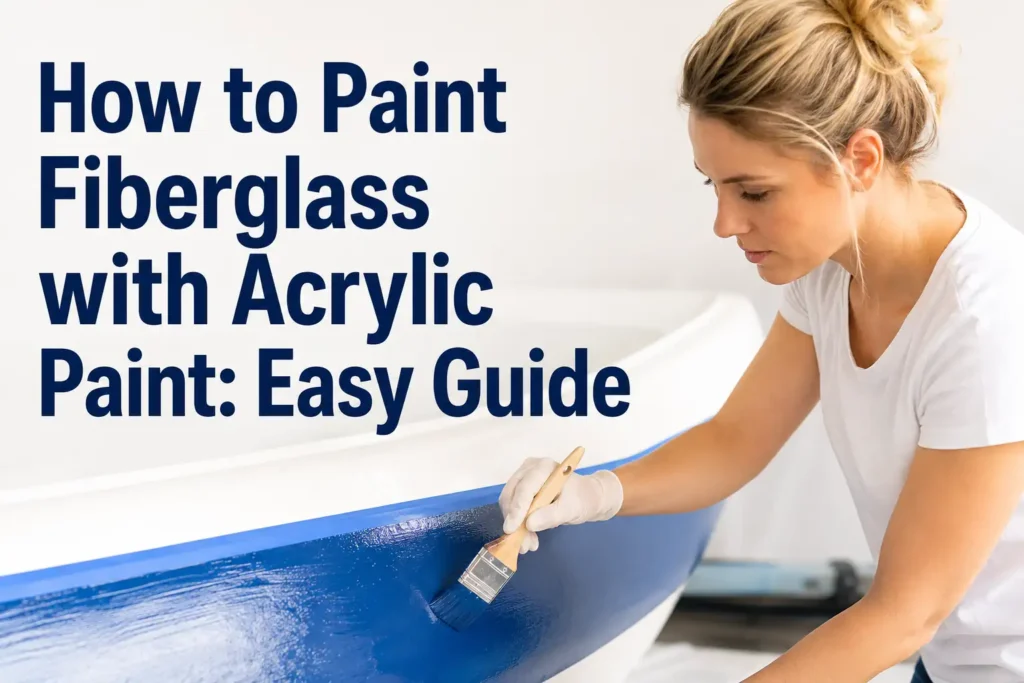
Whether you’re updating an old fiberglass item or customizing a new project, following the correct painting techniques will help your paint adhere properly and last for years. This guide covers everything you need, from preparation to sealing your finished work.
Items to Buy
Before you begin, gather these supplies:
- Acrylic paint
- Acrylic bonding primer
- Fine-grit sandpaper (220–400 grit)
- Tack cloth or microfiber cloth
- Mild soap and water
- Isopropyl alcohol or degreaser
- Paintbrushes or foam brushes
- Foam paint roller (optional)
- Paint tray
- Painter’s tape
- Drop cloth
- Disposable gloves
- Dust mask
- Clear acrylic sealer or varnish
Why Proper Preparation Matters
Fiberglass has a smooth, non-porous surface that doesn’t allow paint to stick easily. Without proper cleaning and sanding, acrylic paint may peel or chip over time.
Preparing the surface correctly creates a strong bond between the fiberglass, primer, and paint. Spending extra time on preparation often makes the biggest difference in the final result.
Choosing the Right Acrylic Paint
Not all acrylic paints are designed for hard surfaces. Choose a high-quality acrylic paint intended for furniture, outdoor projects, or multi-surface applications for the best durability.
Pair the paint with a bonding primer made specifically for glossy or non-porous surfaces. This combination helps create a long-lasting finish that resists peeling.
Safety Tips Before You Start
Always work in a well-ventilated area, especially when sanding fiberglass or applying primer and sealers.
Wear gloves, eye protection, and a dust mask while sanding to avoid irritation from fine fiberglass particles.
How to Paint Fiberglass with Acrylic Paint Step by Step Guide
Step 1: Clean the Fiberglass
Wash the entire surface using mild soap and water to remove dirt, grease, and dust.
After drying, wipe the fiberglass with isopropyl alcohol or a degreaser to remove any remaining residue.
Step 2: Sand the Surface
Lightly sand the fiberglass using fine-grit sandpaper.
The goal is to dull the glossy finish rather than remove material. Wipe away all sanding dust with a tack cloth.
Step 3: Apply Bonding Primer
Apply a thin, even coat of acrylic bonding primer using a brush, roller, or spray.
Allow the primer to dry completely according to the manufacturer’s instructions before painting.
Step 4: Paint the First Coat
Apply the acrylic paint using long, smooth strokes.
Keep the coat thin and even to reduce visible brush marks and improve adhesion.
Step 5: Apply Additional Coats
Allow each coat to dry fully before applying another.
Most fiberglass projects require two to three coats for complete, even coverage.
Step 6: Inspect and Touch Up
Examine the painted surface under good lighting.
Touch up any thin spots, uneven edges, or missed areas before sealing.
Step 7: Seal the Paint
After the final coat has cured, apply a clear acrylic sealer or varnish.
The protective finish helps resist scratches, moisture, and UV damage while extending the life of the paint.
Tips for a Professional Finish
Use high-quality brushes or foam rollers to minimize streaks and achieve a smoother appearance. Thin, even coats almost always produce better results than one heavy application.
Maintain a clean workspace and avoid painting in dusty or humid conditions. Dust and moisture can affect the final finish and reduce paint adhesion.
Common Mistakes to Avoid
Skipping the primer is one of the most common mistakes when painting fiberglass. Even premium acrylic paint performs better over a suitable bonding primer.
Applying thick coats is another frequent issue. Heavy layers take longer to dry and are more likely to drip, crack, or peel.
How to Maintain Painted Fiberglass
Clean painted fiberglass regularly using a soft cloth and mild soap. Avoid abrasive cleaners or scrubbing pads that may damage the finish.
If the item is used outdoors, inspect the protective clear coat every year. Reapplying a fresh layer of sealer when needed helps preserve the color and protect against weather exposure.
FAQs
Can acrylic paint stick to fiberglass?
Yes. Acrylic paint adheres well when the fiberglass is properly cleaned, lightly sanded, and primed with a bonding primer.
Do I need to sand fiberglass before painting?
Yes. Light sanding improves paint adhesion by creating a slightly rough surface for the primer to grip.
What primer should I use on fiberglass?
Use a high-quality bonding primer designed for glossy or non-porous surfaces before applying acrylic paint.
How many coats of acrylic paint should I apply?
Two to three thin coats usually provide the best coverage and durability.
Should I seal acrylic paint on fiberglass?
Yes. A clear acrylic sealer helps protect the paint from scratches, moisture, fading, and everyday wear.
Can beginners paint fiberglass successfully?
Absolutely. With proper preparation and patience, beginners can achieve smooth, professional-looking results on fiberglass surfaces.
Final Words
Learning how to paint fiberglass with acrylic paint is a simple project when you follow the right steps. Careful cleaning, light sanding, quality primer, and multiple thin coats of acrylic paint all contribute to a durable and attractive finish.
Take your time during preparation and allow each layer to dry completely before moving to the next. With the proper materials and techniques, your painted fiberglass project will look vibrant and remain protected for years to come.