
Learning how to paint PVC is an excellent way to upgrade the appearance of pipes, trim, furniture, crafts, and outdoor fixtures without replacing them. PVC is durable, affordable, and resistant to moisture, making it a popular material for countless projects. However, its smooth, non-porous surface can make painting challenging if proper preparation techniques are not followed.
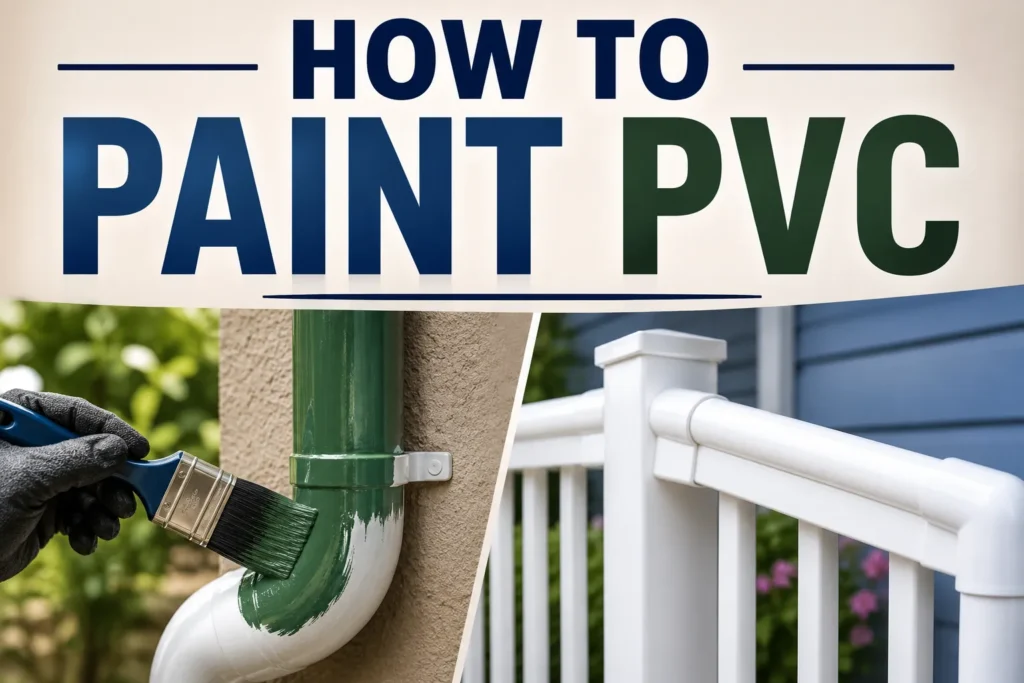
The good news is that PVC can be painted successfully with the right cleaning methods, primer, and paint. Whether you’re refreshing exposed plumbing pipes, customizing PVC furniture, or improving the look of outdoor structures, this guide will show you how to achieve a professional-looking and long-lasting finish.
Items to Buy
- PVC cleaner
- Mild dish soap
- Bucket
- Sponge
- Microfiber cloths
- Fine-grit sandpaper
- Sanding sponge
- Tack cloth
- Plastic primer
- Adhesion promoter
- Acrylic latex paint
- Spray paint for plastic
- Exterior paint
- Paint brushes
- Foam roller
- Paint tray
- Painter’s tape
- Plastic sheeting
- Drop cloths
- Safety goggles
- Nitrile gloves
Can You Paint PVC?
Yes, PVC can be painted.
Many people assume paint will not stick to PVC because of its slick surface. While ordinary paint may peel or chip quickly, proper preparation and the use of suitable primers allow paint to adhere successfully.
With the correct products and techniques, painted PVC can remain attractive and durable for years.
Why Paint PVC?
Painting PVC offers several advantages.
Benefits include:
- Improves appearance
- Matches surrounding décor
- Covers discoloration
- Creates custom colors
- Refreshes older PVC
- Enhances outdoor projects
- Provides decorative options
- Costs less than replacement
A simple paint job can dramatically improve the appearance of otherwise plain PVC surfaces.
Common PVC Projects That Can Be Painted
PVC is used in a wide variety of applications.
Popular paintable projects include:
- Plumbing pipes
- PVC trim
- Outdoor furniture
- Garden structures
- Craft projects
- Storage racks
- Decorative displays
- Playhouses
Most rigid PVC surfaces can be painted successfully with proper preparation.
Best Paint for PVC
Choosing the right paint is essential for durability.
Popular options include:
- Acrylic latex paint
- Plastic spray paint
- Exterior acrylic paint
- Specialty plastic coatings
- Fusion paint for plastics
Paints designed specifically for plastic surfaces often provide the best adhesion and durability.
Best Primer for PVC
Primer is one of the most important components of the project.
Recommended primers include:
- Plastic primer
- Bonding primer
- Adhesion promoter
- Specialty PVC primer
These products help paint grip the smooth PVC surface and reduce the risk of peeling.
Skipping primer often leads to poor results.
Understanding PVC Surface Challenges
Unlike wood, drywall, or concrete, PVC does not absorb paint.
Instead, paint must bond directly to the surface. Oils, dirt, and manufacturing residues can interfere with this bond, making proper cleaning and preparation critical.
Fortunately, a few simple preparation steps can dramatically improve adhesion.
Preparing PVC for Painting
Preparation is the foundation of a successful paint job.
Taking time to clean and sand the surface properly will significantly improve the finish and longevity of the paint.
Most paint failures occur because preparation was rushed or skipped.
How to Paint PVC Step by Step Guide
Step 1: Clean the PVC Thoroughly
Wash the PVC using warm water and mild dish soap.
Remove dirt, grease, dust, and contaminants completely.
Rinse thoroughly and allow the surface to dry.
Step 2: Inspect the Surface
Examine the PVC for:
- Scratches
- Cracks
- Damage
- Manufacturing residue
- Adhesive remnants
Address any issues before painting.
Step 3: Sand the Surface
Lightly sand the PVC using fine-grit sandpaper.
The goal is to dull the glossy finish and create microscopic scratches that help primer adhere.
Avoid aggressive sanding.
Step 4: Remove Sanding Dust
Wipe the surface with a tack cloth or microfiber cloth.
Remove all dust before proceeding.
A clean surface promotes better adhesion.
Step 5: Protect Surrounding Areas
Use painter’s tape and plastic sheeting to protect nearby surfaces.
Careful masking helps create cleaner results and simplifies cleanup.
Step 6: Apply Adhesion Promoter
Apply a light coat of adhesion promoter if recommended by the paint manufacturer.
This product helps paint bond effectively to plastic surfaces.
Allow it to dry according to the instructions.
Step 7: Apply Primer
Spray or brush on a thin coat of plastic primer.
Use smooth, even coverage across the entire surface.
Avoid heavy applications that may drip or pool.
Step 8: Allow Primer to Dry
Follow the manufacturer’s recommended drying time.
Proper drying helps maximize paint adhesion.
Patience at this stage improves final results.
Step 9: Apply the First Coat of Paint
Apply a thin coat of paint using a brush, roller, or spray paint.
Maintain even coverage while avoiding excessive buildup.
Thin coats generally produce smoother finishes.
Step 10: Let the Paint Dry
Allow the first coat to dry completely.
Drying times vary based on temperature, humidity, and paint type.
Always follow product instructions.
Step 11: Apply Additional Coats
Most PVC projects require two to three coats.
Build coverage gradually with multiple thin layers.
This approach improves both appearance and durability.
Step 12: Inspect for Missed Areas
Carefully inspect the project for:
- Thin spots
- Uneven coverage
- Drips
- Missed edges
Touch up as necessary.
Step 13: Allow the Paint to Cure
Curing is different from drying.
Allow sufficient curing time before heavy use or outdoor exposure.
A fully cured finish is much more durable.
Painting Outdoor PVC
Outdoor PVC projects require additional protection.
When painting exterior PVC:
- Use exterior-grade paint
- Apply UV-resistant coatings
- Follow curing instructions
- Choose weather-resistant products
These steps help prevent fading and premature wear.
Spray Painting PVC
Spray paint is often the easiest method for PVC projects.
Advantages include:
- Smooth finish
- Fast application
- Minimal brush marks
- Excellent coverage
Apply several light coats instead of one heavy coat for best results.
Brush Painting PVC
Brush painting also works well for many projects.
Benefits include:
- Better control
- Lower cost
- Less overspray
- Suitable for small projects
High-quality brushes help reduce visible brush strokes.
Common Mistakes to Avoid
One of the most common mistakes is skipping sanding.
Without light abrasion, paint may struggle to adhere properly. Another issue is failing to clean the surface thoroughly.
Dirt and oils can prevent primer from bonding effectively.
Applying thick coats is another frequent mistake that often leads to drips, uneven drying, and peeling.
Thin coats consistently produce better results.
Tips for a Professional Finish
For the best outcome:
- Clean thoroughly
- Sand lightly
- Use plastic primer
- Apply multiple thin coats
- Work in moderate temperatures
- Allow proper drying and curing
- Use quality paint products
These simple practices help create a smooth, durable finish.
How Long Does Paint Last on PVC?
Paint longevity depends on several factors.
These include:
- Surface preparation
- Primer quality
- Paint quality
- Sun exposure
- Weather conditions
- Maintenance practices
A properly painted PVC surface can maintain its appearance for many years.
Maintaining Painted PVC
Routine maintenance helps preserve the finish.
To keep painted PVC looking its best:
- Clean periodically
- Avoid harsh chemicals
- Remove dirt promptly
- Inspect for chips
- Touch up damaged areas
Proper care extends the life of the paint.
FAQs
Can PVC be painted?
Yes, PVC can be painted successfully when prepared properly.
Do I need to sand PVC before painting?
Yes, light sanding improves primer and paint adhesion.
What paint works best on PVC?
Acrylic latex paint and plastic-specific spray paints are popular choices.
Should I use primer?
Yes, primer significantly improves durability and adhesion.
Can PVC be spray painted?
Absolutely. Spray paint often provides the smoothest finish.
Will paint peel off PVC?
Paint may peel if the surface is not cleaned, sanded, or primed properly.
Can outdoor PVC be painted?
Yes, exterior-grade paint works well for outdoor PVC applications.
How many coats of paint are needed?
Most projects require two to three coats for complete coverage.
Final Words
Learning how to paint PVC is a simple and affordable way to upgrade everything from plumbing pipes and trim to outdoor furniture and decorative projects. By cleaning thoroughly, sanding lightly, applying a quality plastic primer, and building multiple thin paint coats, you can achieve a finish that looks professional and lasts for years.
Whether you’re refreshing old PVC or customizing a new project, preparation is the key to success. With the techniques outlined in this guide, you can confidently paint PVC surfaces and enjoy attractive, long-lasting results.