
Removing chalk paint from furniture can help restore an old piece, reveal the natural wood underneath, or prepare the surface for a completely different finish. Although chalk paint is designed to adhere well to furniture, it can often be removed with the right combination of scraping, sanding, cleaning, and stripping techniques.
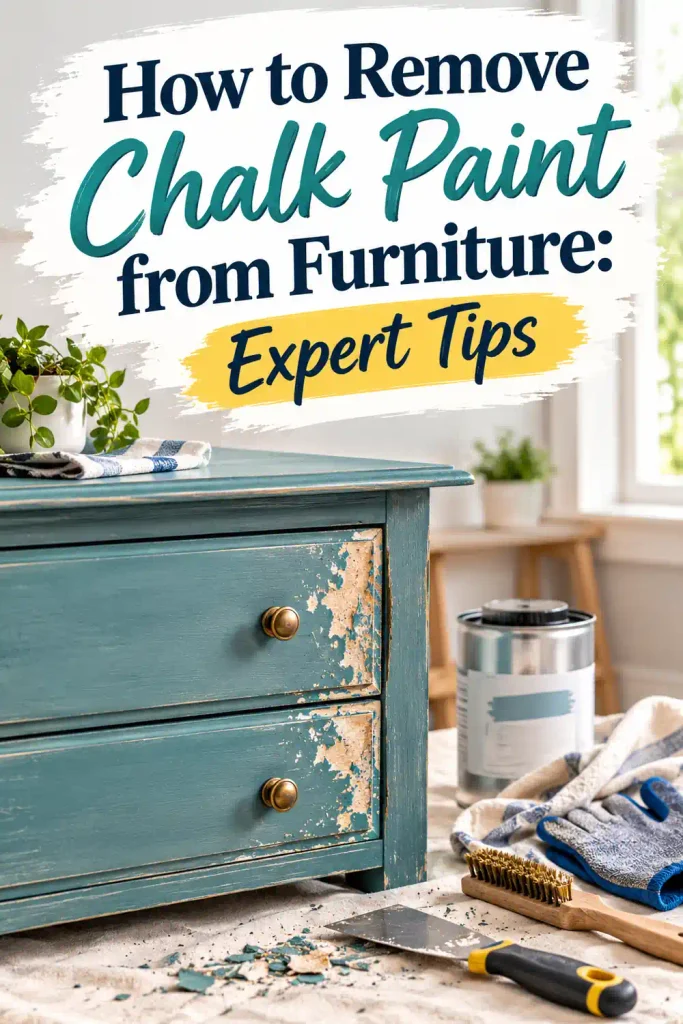
Learning how to remove chalk paint from furniture starts with identifying the furniture’s material and the condition of the existing finish. Some pieces need only light sanding, while heavily layered or sealed chalk paint may require a stronger approach. This guide covers practical methods for removing chalk paint while protecting the underlying surface.
Items to Buy
- Paint scraper
- Plastic scraper
- Putty knife
- Sandpaper
- Sanding sponge
- Random orbital sander
- Paint stripper
- Paintbrush
- Clean rags
- Microfiber cloths
- Mild dish soap
- Degreasing cleaner
- Warm water
- Bucket
- Drop cloths
- Painter’s tape
- Protective gloves
- Safety goggles
- Respirator mask
- Tack cloth
- Old toothbrush
- Wood filler
Why Remove Chalk Paint From Furniture?
Chalk paint is popular for furniture makeovers because it creates a distinctive matte, decorative finish. However, you may eventually want to change the color, restore the original wood, or apply a different type of finish.
Removing old chalk paint can also be useful when the existing coating is peeling, chipped, heavily layered, or damaged.
A properly prepared surface gives you more control over the next stage of the furniture restoration project.
Is Chalk Paint Easy to Remove?
Chalk paint can be easier to disturb than some harder furniture coatings, particularly when it has not been sealed with wax or another protective finish.
However, sealed chalk paint can be considerably more difficult to remove. Wax, multiple coats, and years of accumulated finishes may require additional preparation.
The best approach is to start gently and increase the strength of the removal method only when necessary.
What to Check Before Removing Chalk Paint
Before beginning, determine what material you’re working with.
Solid wood furniture can generally tolerate careful scraping and sanding. Veneer requires more caution because the wood layer can be thin. MDF and particleboard can also be damaged by excessive moisture or aggressive sanding.
Check for loose joints, cracks, veneer lifting, or other damage before starting. These areas may require special care throughout the removal process.
How to Remove Chalk Paint From Furniture Step by Step
Step 1: Prepare Your Workspace
Move the furniture to a well-ventilated workspace whenever possible.
Cover the floor with a drop cloth and remove nearby objects that could become covered in dust or paint residue. If you’re working indoors, improve airflow while following the safety instructions for any products you use.
A clean, organized workspace makes the project easier and safer.
Step 2: Remove Hardware
Take off knobs, handles, hinges, drawer pulls, and other removable hardware.
Removing these pieces gives you better access to the painted surfaces and prevents accidental damage during scraping or sanding.
Place the hardware in labeled containers so you can easily reinstall everything later.
Step 3: Clean the Furniture
Before removing the chalk paint, clean the furniture thoroughly.
Use mild dish soap or an appropriate degreasing cleaner to remove dirt, grease, wax residue, and surface contaminants. Kitchen or frequently handled furniture may require extra cleaning.
Allow the furniture to dry completely before moving to the next step.
Step 4: Test a Small Area
Choose an inconspicuous area and test your removal method.
Try gently scraping first. If the paint remains firmly attached, test light sanding or a suitable paint stripper according to its instructions.
Testing prevents you from accidentally damaging a highly visible part of the furniture.
Step 5: Scrape Away Loose Chalk Paint
Use a plastic scraper or putty knife to lift loose or peeling chalk paint.
Hold the tool at a shallow angle and work slowly. Avoid digging the edge into the furniture because this can leave scratches or gouges.
Remove as much loose material as possible before using more aggressive techniques.
Step 6: Try Wet Removal on Suitable Surfaces
If the chalk paint is not heavily sealed, a damp cloth or sponge may help loosen some of the coating.
Work on a small section at a time and gently wipe away softened paint. Avoid soaking wooden furniture because excessive water can cause swelling, staining, or other damage.
This method is particularly useful for small areas where the chalk paint is already loose.
Step 7: Sand the Remaining Paint
Use fine- or medium-grit sandpaper to remove remaining chalk paint.
Sand with the direction of the wood grain whenever possible. Work carefully around corners, edges, decorative details, and veneer.
A sanding sponge can provide better control in curved or difficult-to-reach areas.
Step 8: Use Paint Stripper for Stubborn Layers
If sanding is taking too long or multiple layers remain, consider a furniture-compatible paint stripper.
Apply the product according to the manufacturer’s instructions and allow it to work for the recommended time. Use proper protective equipment and ventilation.
Do not leave the product on longer than directed, as some strippers can damage the underlying surface.
Step 9: Remove Residue and Clean the Surface
After stripping or sanding, remove the remaining residue.
Use a clean cloth or tack cloth to collect dust and loose particles. If the stripper manufacturer specifies a particular cleanup procedure, follow those instructions carefully.
Allow the furniture to dry completely before evaluating the surface.
Step 10: Repair and Prepare for Refinishing
Inspect the furniture under good lighting.
Fill small dents, holes, or scratches with suitable wood filler if needed. Once repairs are dry, sand them smooth and remove all remaining dust.
The furniture is now ready for primer, new paint, stain, or another finish.
How to Remove Chalk Paint Without Sanding
If you want to avoid extensive sanding, scraping and a suitable paint stripper can remove much of the coating.
Begin by removing loose paint with a plastic scraper. For stubborn areas, use a furniture-compatible stripper according to its instructions.
This approach can be particularly useful on detailed furniture where sanding could easily wear down decorative edges.
How to Remove Chalk Paint From Wood Furniture
Wood furniture generally offers several removal options.
Start by scraping loose paint, then lightly sand the remaining coating. If the chalk paint has been heavily sealed or layered, a suitable stripper may be necessary.
When sanding wood, follow the grain and avoid removing more material than needed. The goal is to remove the unwanted finish while preserving the furniture’s original shape and character.
How to Remove Chalk Paint From Veneer Furniture
Veneer furniture needs extra care because the visible wood layer can be very thin.
Avoid aggressive power sanding and excessive scraping. Start with a gentle plastic scraper and use light hand sanding only where necessary.
If a chemical stripper is required, test it in an inconspicuous location first and follow the manufacturer’s instructions closely.
How to Remove Wax-Sealed Chalk Paint
Wax can make chalk paint more resistant to removal.
First remove as much wax and surface residue as possible using a method appropriate for the product. Once the protective layer has been addressed, the underlying chalk paint may be easier to scrape or sand.
Because different furniture waxes have different formulations, always follow the product manufacturer’s guidance and test your method first.
Can You Use a Heat Gun to Remove Chalk Paint?
A heat gun may soften some coatings, but it is not always the best choice for furniture.
Excessive heat can scorch wood, damage veneer, loosen adhesives, or create unpleasant fumes. Decorative furniture can also have delicate details that are difficult to protect from concentrated heat.
If you use heat, work cautiously and keep the tool moving. For many furniture projects, controlled scraping, sanding, or an appropriate stripper provides better control.
Can You Sand Chalk Paint Off Furniture?
Yes. Sanding is one of the most common ways to remove chalk paint.
For large flat surfaces, a random orbital sander can speed up the process. However, hand sanding is often safer around edges, curves, trim, and delicate surfaces.
Avoid excessive pressure. Once you reach the underlying wood or previous finish, reduce the sanding intensity.
How to Remove Chalk Paint From Detailed Furniture
Furniture with carvings, grooves, turned legs, and decorative trim can be challenging.
Use smaller tools such as a plastic scraper, sanding sponge, old toothbrush, or appropriately sized abrasive material. Work slowly around intricate details.
A combination of scraping and localized sanding is often more controllable than using a power sander across the entire piece.
Common Mistakes to Avoid
One common mistake is sanding too aggressively. This can remove wood along with the paint and permanently alter the furniture’s shape.
Another mistake is soaking wooden furniture with water. Excess moisture can damage wood, veneer, MDF, and joints.
Using a chemical stripper without testing it first can also lead to unexpected damage.
Avoid rushing the project. Removing chalk paint gradually usually gives you much better control over the final surface.
Tips for Better Chalk Paint Removal
Start with the least aggressive technique that can reasonably accomplish the job.
Keep your work area clean so dust and residue do not interfere with your inspection. Replace worn sandpaper regularly because fresh abrasive material often works more efficiently than excessive pressure.
Use good lighting to identify thin patches of remaining paint.
Most importantly, preserve the underlying furniture surface. Removing every trace of paint is not worth damaging the wood underneath.
What to Do After Removing Chalk Paint
Once the paint is gone, inspect the entire piece carefully.
Repair dents and scratches with an appropriate filler, then sand repaired areas until smooth. Remove dust before applying any new finish.
If you’re painting the furniture again, apply a suitable primer when required. If you want to stain the wood, make sure the old paint and finish have been removed sufficiently and that the surface is evenly prepared.
When Should You Hire a Professional?
Professional furniture restoration may be appropriate for antiques, valuable pieces, delicate veneers, or furniture with extensive damage.
It can also be helpful when you are unsure whether the surface is solid wood, veneer, MDF, or another material.
A professional can assess the existing finish and choose a removal method that reduces the risk of damaging the furniture.
FAQs
What is the easiest way to remove chalk paint from furniture?
Start with gentle scraping and light sanding. If the paint is heavily layered or sealed, an appropriate furniture paint stripper may make removal easier.
Can chalk paint be removed with water?
Some unsealed chalk paint may loosen with a damp cloth, but water is not suitable for soaking wooden furniture. Excess moisture can damage many furniture materials.
Can I remove chalk paint without sanding?
Yes. Scraping and an appropriate paint stripper can reduce or eliminate the need for extensive sanding. Light sanding may still be useful for final preparation.
Will vinegar remove chalk paint from furniture?
Vinegar may help with some surface cleaning tasks, but it is not a dependable method for removing multiple layers of cured chalk paint. A suitable stripper or controlled sanding is generally more effective.
Can I use a heat gun to remove chalk paint?
A heat gun may soften some coatings, but it can damage wood, veneer, adhesives, and decorative details. Use caution if choosing this method.
How do I remove wax from chalk-painted furniture?
Wax should generally be addressed before attempting to remove the underlying paint. Use a method appropriate for the specific wax product and test it on a hidden area first.
Can I sand chalk paint with an orbital sander?
Yes, an orbital sander can remove chalk paint from large, flat surfaces. Use appropriate pressure and be especially careful near edges and veneer.
How do I remove chalk paint from veneer?
Use gentle scraping and light hand sanding. Avoid aggressive sanding because veneer can be thin and easily damaged.
Do I need to remove every bit of chalk paint before repainting?
Not necessarily. If the remaining coating is firmly bonded and compatible with the new finish, thorough cleaning, surface preparation, and appropriate priming may be sufficient. Peeling or unstable paint should be removed.
What should I apply after removing chalk paint?
Depending on your project, you can apply primer and new paint, wood stain, or another suitable furniture finish. The surface should be clean, dry, smooth, and properly prepared first.
Final Words
Learning how to remove chalk paint from furniture can help you restore an old piece or prepare it for a completely new look. Start by cleaning the furniture, testing your method, and removing loose paint before progressing to sanding or a suitable paint stripper.
The most important part is protecting the surface underneath. Work slowly, avoid excessive moisture and aggressive sanding, and choose your removal method based on the furniture material. With careful preparation, you can create a clean, smooth foundation for your next furniture makeover.