
Removing paint spills from laminate flooring can feel tricky because the surface is designed to look like wood but can be easily scratched or damaged by harsh cleaners. Learning how to remove paint from laminate floor safely helps you eliminate unwanted splatters, dried drips, and stubborn marks while protecting the floor’s decorative finish.
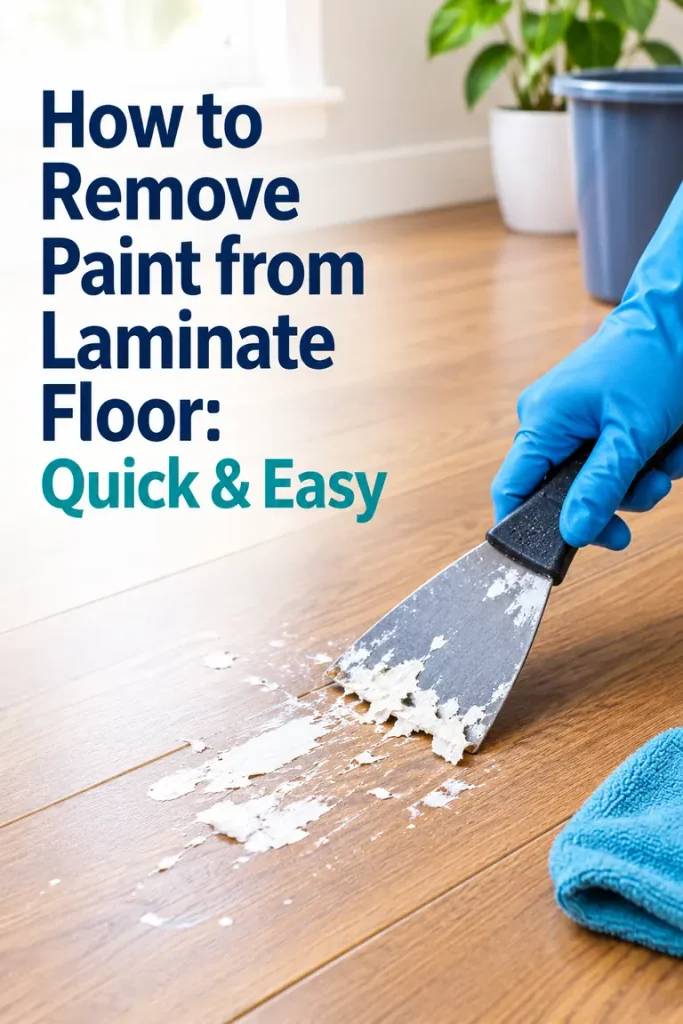
The good news is that many paint spills can be removed with simple household supplies and gentle techniques. The best method depends on whether the paint is water-based or oil-based, how long it has been on the floor, and whether it has dried completely.
Items to Buy
- Warm water
- Mild dish soap
- Microfiber cloths
- Soft sponge
- Plastic scraper
- Soft-bristled toothbrush
- Cotton swabs
- White vinegar
- Rubbing alcohol
- Small bowl
- Paper towels
- Spray bottle
- Clean towels
- Floor-safe cleaner
- Rubber gloves
- Vacuum cleaner
- Soft cleaning brush
- Protective knee pads
Why Paint Can Be Difficult to Remove From Laminate
Laminate flooring usually consists of a decorative image layer protected by a transparent wear layer. Although this surface can resist everyday wear, it may be damaged by abrasive tools, harsh solvents, excessive moisture, or aggressive scrubbing.
Paint can also settle into the seams between planks, making removal more challenging. If water seeps into these joints, the underlying material may swell or become damaged.
For this reason, the safest approach is to use the mildest effective cleaning method and avoid soaking the floor.
Identify the Type of Paint Before Cleaning
Before choosing a removal method, determine what type of paint has spilled onto the floor.
- Water-based latex paint: Often responds well to warm water, mild soap, and gentle scraping.
- Acrylic craft paint: May soften with water when fresh, although dried paint can require additional treatment.
- Oil-based paint: Usually needs a compatible solvent, but some solvents can damage laminate finishes.
- Spray paint: Removal depends on its formulation and how long it has been on the surface.
If you know the paint brand or product type, check its label for recommended cleanup methods. When the paint type is unknown, begin with water and mild soap.
How to Remove Paint from Laminate Floor Step by Step Guide
Step 1: Remove Fresh Paint Immediately
If the paint is still wet, act quickly.
Use a paper towel or soft microfiber cloth to lift the paint from the floor. Blot or scoop it up rather than wiping it across a larger area.
Use a clean section of the cloth for each pass to avoid spreading the pigment.
Once most of the paint is gone, dampen another cloth with a little warm water and wipe away the remaining residue.
Dry the area immediately with a clean towel.
Step 2: Clean the Area With Mild Soap
For fresh paint or light residue, mix a few drops of mild dish soap into a bowl of warm water.
Dampen a microfiber cloth with the solution and wring it out thoroughly. Gently wipe the affected area without flooding the floor.
For small paint marks, a soft sponge may provide additional control.
After cleaning, wipe the area with a separate cloth dampened with clean water, then dry it completely.
This method is a good starting point because it is generally less likely to damage laminate than strong chemicals.
Step 3: Soften Dried Water-Based Paint
Dried latex or acrylic paint may still respond to moisture.
Place a warm, damp cloth over the paint spot for a short period, keeping the moisture concentrated on the mark rather than the surrounding floor.
Check frequently to see whether the paint has softened.
Once it becomes more flexible, try lifting it gently with a plastic scraper.
Do not soak the area or leave standing water on the laminate. If the paint does not soften, repeat the process cautiously rather than applying excessive force.
Step 4: Lift the Paint With a Plastic Scraper
A plastic scraper can help remove dried paint without the scratching risk associated with metal blades.
Hold the scraper at a shallow angle and gently work beneath the edge of the paint spot.
Use short, controlled movements instead of digging into the floor.
If the paint is firmly attached, stop and soften it further with a suitable cleaning solution.
Avoid knives, metal putty knives, steel wool, and abrasive scouring pads because they may scratch the protective wear layer.
Step 5: Use a Soft Toothbrush for Small Spots
Paint sometimes remains in textured areas, around plank edges, or in narrow grooves.
A soft-bristled toothbrush can help loosen these small deposits.
Dampen the brush slightly with warm water and mild soap, then work gently over the paint.
Keep the brush away from excessive pressure, particularly near plank seams.
Wipe away the loosened paint with a microfiber cloth and dry the area afterward.
This method is especially useful for small splatters that are difficult to reach with a larger cloth.
Step 6: Try a Small Amount of Rubbing Alcohol if Appropriate
If water and soap do not remove stubborn water-based paint, rubbing alcohol may help with some residues. However, alcohol can affect certain laminate finishes, so it should not be used without testing.
Apply a very small amount to a cotton swab or cloth and test it in a hidden location first.
If there is no discoloration, dulling, or surface change, gently dab the paint spot. Avoid pouring alcohol directly onto the floor.
Stop immediately if the finish changes. Wipe the area with a clean, slightly damp cloth if appropriate for the flooring, then dry it thoroughly.
Step 7: Use Vinegar Cautiously
Some people use diluted white vinegar when cleaning paint residue, but vinegar is not a universal paint remover.
If you want to try it, first check the flooring manufacturer’s cleaning guidance and test a small amount in an inconspicuous location.
Never flood the floor with vinegar or allow it to collect in the seams.
If the paint does not respond quickly, discontinue the treatment instead of increasing the vinegar concentration or scrubbing harder.
Warm water and mild soap are usually the better first choice.
Step 8: Treat Oil-Based Paint Carefully
Oil-based paint can be more difficult to remove because water alone generally will not dissolve it.
Check the paint manufacturer’s cleanup instructions and the laminate flooring manufacturer’s guidance before choosing a solvent.
Some solvents can discolor, soften, or dull laminate surfaces. Never assume that paint thinner, acetone, mineral spirits, or nail polish remover is safe for your floor.
If a compatible cleaner is recommended, test it in a hidden area and use the smallest amount necessary on a cloth. Do not pour solvent onto the floor or allow it to enter the joints.
For a large spill or stubborn oil-based paint, contacting a flooring professional may be safer than experimenting with stronger chemicals.
Step 9: Remove Residue and Dry the Floor
After the paint has been removed, clean the area with a floor-compatible cleaner or a lightly damp microfiber cloth.
Remove any remaining soap or cleaning-product residue according to the product instructions.
Dry the surface with a clean towel, paying particular attention to plank joints and edges.
Inspect the floor under good lighting to make sure the paint is gone and the finish remains intact.
If the area looks cloudy or dull, do not immediately apply polish or wax. First check whether the change is residue or actual surface damage.
Step 10: Check for Damage and Finish the Cleanup
Examine the cleaned area for scratches, discoloration, swelling, or changes in sheen.
If the laminate looks normal, no additional treatment may be needed.
If you notice raised edges, swollen seams, or a damaged wear layer, stop using moisture and solvents on the area. Laminate damage often cannot be repaired by ordinary cleaning products.
For a significant spill, damaged plank, or paint lodged deep in the joints, consult a flooring professional about the safest next step.
How to Remove Dried Paint From Laminate Flooring
Dried paint requires more patience than fresh paint, but aggressive scraping is rarely the best first move.
Start by identifying the paint type. For water-based paint, try a warm, damp cloth and mild soap. Once the paint softens, lift it gently with a plastic scraper.
For stubborn residue, a soft toothbrush can help loosen small particles.
Avoid using a metal blade or sanding the floor. Sanding can permanently remove or damage the protective wear layer.
If the paint remains firmly attached, consult the flooring manufacturer’s cleaning recommendations before trying a stronger product.
How to Remove Latex Paint From Laminate Floors
Latex paint is water-based, so fresh spills are usually relatively easy to clean.
Blot up wet paint, then wipe the remaining residue with a microfiber cloth dampened with warm water and mild dish soap.
For dried latex paint, hold a warm, damp cloth over the spot briefly and test whether the paint softens. Use a plastic scraper to lift it gently if it releases.
Repeat cautiously when necessary.
Do not saturate the floor, and dry the surface after cleaning to prevent moisture from entering the seams.
How to Remove Spray Paint From Laminate Flooring
Spray paint can be more challenging because its formulation varies and some products adhere strongly to the surface.
Begin by checking the spray paint label to identify the paint type and recommended cleanup method.
If the paint is fresh, blot it carefully without spreading it. For dried paint, test a mild cleaning method first.
Do not automatically reach for acetone or paint thinner. These products may damage the laminate finish.
If a manufacturer-approved cleaner is available, test it in an inconspicuous spot and follow its directions exactly. For a large or stubborn spray-paint mark, professional advice may help prevent permanent damage.
How to Remove Paint From Laminate Floor Seams
Paint that settles into plank seams requires extra care.
Avoid pouring water or cleaner into the joints. Excess moisture can penetrate the seams and damage the core material.
Instead, use a barely damp cotton swab or soft toothbrush to work on the paint in small amounts.
Blot loosened paint immediately and dry the area thoroughly.
If the paint has hardened deep inside a seam, aggressive scraping can damage the plank edges. In that situation, leaving a tiny mark may be preferable to damaging the flooring, or a professional may be able to assess the affected area.
Cleaning Products to Avoid on Laminate Flooring
Not every paint-removal product is suitable for laminate.
Avoid using the following unless the flooring manufacturer explicitly approves the product and method:
- Acetone or nail polish remover
- Strong paint thinner
- Harsh chemical paint strippers
- Steel wool
- Abrasive scouring pads
- Metal scrapers
- Excessive steam
- Large amounts of water
- Unapproved waxes or polishes
These products or tools may scratch, discolor, soften, or otherwise damage the protective finish.
Always read product labels and test compatible cleaners in an inconspicuous location before treating a visible area.
Common Mistakes to Avoid
Scrubbing Too Hard
Aggressive scrubbing can scratch the wear layer and leave a dull patch. Use a soft cloth and gentle pressure.
Using a Metal Blade
Metal blades can gouge laminate. A plastic scraper is generally a safer option.
Soaking the Floor
Excessive water can enter plank joints and cause swelling. Use damp—not dripping—cloths.
Applying Strong Solvents Without Testing
Some solvents damage laminate even when they remove the paint. Confirm compatibility before use.
Ignoring the Paint Type
A method that works on fresh latex paint may not work on oil-based paint. Identify the product when possible.
Using Heat Without Checking Manufacturer Guidance
Steam and excessive heat can affect laminate flooring. Avoid heat-based removal methods unless the flooring manufacturer specifically permits them.
Tips for Preventing Paint Spills on Laminate Floors
Prevention is easier than paint removal.
Cover the floor with a suitable drop cloth before painting. Secure the edges so the covering does not shift while you work.
Keep paint containers on a stable surface and avoid filling rollers or brushes directly over exposed flooring.
Clean small spills immediately, before the paint dries. Keep microfiber cloths and a bowl of water nearby when using water-based paint.
If you are painting near plank seams or edges, take extra care to prevent liquid from collecting in those areas.
FAQs
What is the easiest way to remove paint from laminate flooring?
Start with warm water, mild dish soap, and a microfiber cloth. For dried paint, soften the spot carefully and use a plastic scraper if needed.
Can vinegar remove paint from laminate floors?
Vinegar is not a reliable paint remover for every paint type. Check the flooring manufacturer’s guidance and test any solution before use.
Can rubbing alcohol damage laminate flooring?
Yes, it can affect some laminate finishes. Test it in a hidden location and use it only if the flooring manufacturer permits it.
Can I use acetone to remove paint from laminate?
Avoid acetone unless the flooring manufacturer specifically approves it. It may damage or dull the laminate’s protective surface.
How do I remove dried latex paint from laminate?
Use a warm, damp cloth and mild soap to soften the paint, then gently lift it with a plastic scraper. Keep moisture away from plank joints.
Will paint thinner damage laminate flooring?
It may. Paint thinner can affect the decorative layer or protective finish, so do not use it without confirming compatibility.
Can I use a razor blade on laminate flooring?
A razor blade can scratch or gouge the surface. A plastic scraper is generally safer for removing dried paint.
How do I remove paint from laminate floor seams?
Use a slightly damp cotton swab or soft toothbrush to loosen small amounts of paint. Avoid flooding the seams or forcing a scraper between planks.
What if the paint will not come off?
Stop before trying increasingly harsh chemicals or aggressive tools. Check the paint label and flooring manufacturer’s recommendations, or consult a flooring professional.
Can laminate flooring be repaired if paint removal damages it?
Minor residue may be cleaned, but damage to the decorative layer or swollen core can be difficult to repair. Depending on the damage, replacing the affected plank may be necessary.
Final Words
Learning how to remove paint from laminate floor starts with identifying the paint type and choosing a gentle cleaning method. Warm water, mild soap, microfiber cloths, and a plastic scraper can remove many common paint spills without unnecessary damage.
Avoid excessive moisture, abrasive tools, and unapproved solvents that can harm the laminate finish. Work patiently, test stronger products before use, and dry the area thoroughly after cleaning. With the right approach, you can often remove unwanted paint while keeping your laminate flooring looking clean and attractive.