
Hummingbird Painting Ideas are a wonderful source of inspiration for artists who love vibrant colors, delicate wildlife, and nature-inspired artwork. Whether you’re painting with acrylics, watercolors, or oils, these creative ideas will help you capture the hummingbird’s graceful flight, shimmering feathers, and lively personality while improving your painting techniques.
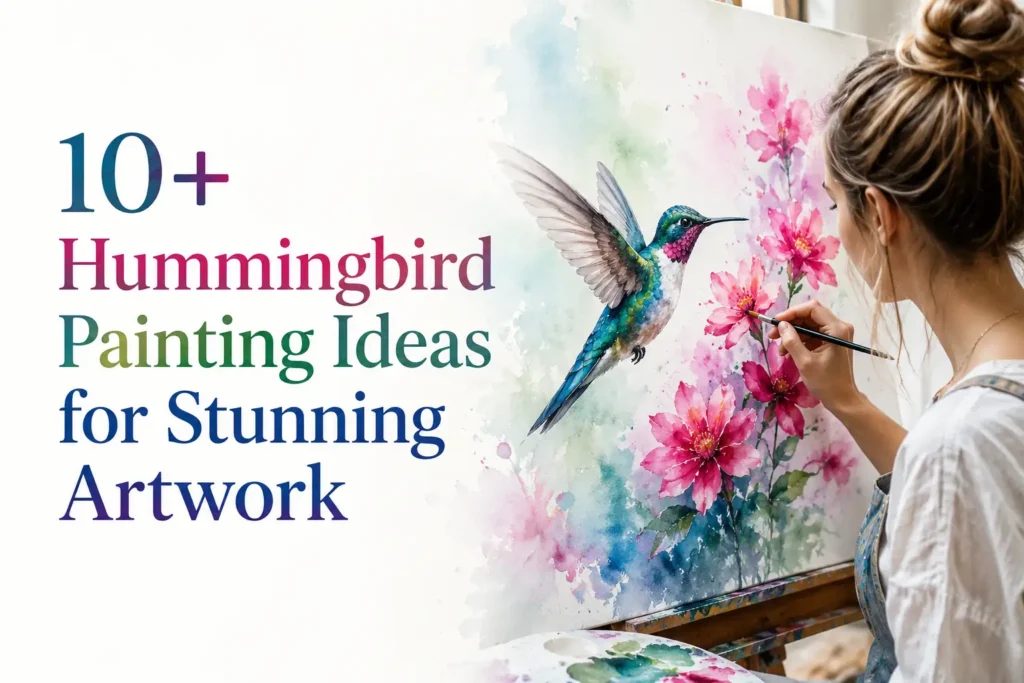
From realistic garden scenes to colorful abstract designs, hummingbird paintings can suit every artistic style and skill level. This guide explores inspiring ideas, helpful techniques, and practical tips to help you create stunning artwork you’ll be proud to display or gift.
Items to Buy
Before starting your hummingbird painting project, gather these essential supplies to make the process easier and achieve professional-looking results.
- Stretched canvas or canvas board
- Acrylic, watercolor, or oil paints
- Flat brushes for backgrounds
- Round brushes for flowers and blending
- Fine liner brush for feather details
- Filbert brush for soft edges
- Paint palette
- Palette knife (optional)
- Pencil and kneaded eraser
- Reference photos
- Cup of clean water
- Paper towels
- Easel (optional)
- Acrylic varnish or protective sealer
- Masking tape (optional)
High-quality brushes make a noticeable difference when painting delicate feathers and tiny floral details. While beginners don’t need expensive materials, reliable paints with strong pigmentation produce brighter colors and smoother blends.
Preparing Your Canvas
Every successful painting begins with thoughtful preparation. Decide whether you want your hummingbird to be the main focal point or part of a larger nature scene that includes flowers, trees, or a colorful landscape.
Lightly sketch the hummingbird’s body, wings, beak, and tail using simple shapes rather than detailed lines. This approach makes it easier to adjust proportions before adding paint and helps create a balanced composition.
Next, determine your light source. Knowing where the sunlight comes from helps you place shadows and highlights naturally, making the hummingbird appear more realistic and three-dimensional.
If your painting includes flowers or a garden background, block in those larger shapes first. Building the background before painting the bird creates depth and keeps the hummingbird as the visual focus.
Choosing the Right Colors and Painting Techniques
Hummingbirds are famous for their iridescent feathers that shift colors depending on the light. Instead of relying on a single green or blue, combine multiple shades such as emerald, turquoise, teal, cobalt, violet, magenta, and hints of gold to recreate their shimmering appearance.
Build the painting gradually using several thin layers instead of one thick coat. Layering colors creates richer depth and smoother transitions while allowing subtle feather textures to emerge naturally.
Dry brushing is useful for soft feather edges, while fine liner brushes help paint delicate wing details and tiny facial features. For backgrounds, use larger brushes to blend skies, foliage, and flowers without distracting from the bird.
Adding small white highlights to the eye, beak, and upper feathers gives the hummingbird a lively appearance and creates the illusion of sunlight reflecting from its iridescent plumage.
10+ Hummingbird Painting Ideas
1. Realistic Hummingbird Feeding from a Trumpet Flower
Paint a hummingbird hovering beside a bright trumpet vine flower while reaching toward the nectar with its long beak. Focus on accurate feather placement and the graceful angle of the wings to capture the bird’s natural movement.
Use emerald green, sapphire blue, and violet tones for the feathers while painting the flower in rich reds or oranges. A softly blurred garden background keeps attention on the hummingbird while adding beautiful depth to the composition.
2. Watercolor-Style Flying Hummingbird
Create a loose watercolor-inspired hummingbird using transparent washes of turquoise, lavender, pink, and soft green. Allow colors to flow naturally into one another to produce a light and airy painting.
Keep the details minimal and let the soft edges suggest movement rather than perfect realism. This elegant style is ideal for beginners and creates artwork that feels fresh, modern, and effortlessly beautiful.
3. Rainbow Hummingbird on a White Background
Instead of using natural feather colors, paint the hummingbird with a vibrant rainbow palette featuring crimson, orange, yellow, lime, turquoise, cobalt, and purple. The colorful bird immediately becomes the centerpiece of the painting.
Leave the background mostly white or neutral to maximize contrast. This modern composition is perfect for contemporary interiors and encourages artists to experiment with bold color combinations.
4. Hummingbird Surrounded by Wildflowers
Place a hovering hummingbird in a garden filled with daisies, lavender, lupines, poppies, and colorful wildflowers. The variety of blooms creates an energetic composition that celebrates spring and summer.
Paint the flowers using slightly softer brushstrokes than the bird itself. This subtle difference keeps the hummingbird as the focal point while giving the surrounding garden a natural sense of depth and atmosphere.
5. Sunset Silhouette Hummingbird
Capture the graceful outline of a hummingbird flying across a glowing sunset sky filled with warm oranges, golden yellows, pinks, and deep purples. The dramatic color contrast creates an eye-catching yet beginner-friendly painting.
Blend the sunset smoothly before painting the hummingbird as a clean black silhouette. Add a few distant tree branches or flowers near the bottom to complete the peaceful evening scene without overwhelming the composition.
6. Close-Up Hummingbird Portrait
Focus closely on the hummingbird’s head, eye, and throat feathers to highlight its intricate beauty. This composition allows you to practice detailed feather textures while emphasizing the bird’s expressive personality.
Layer multiple shades of emerald, teal, blue, and violet across the feathers before adding tiny white highlights. A softly blurred green background helps the brilliant plumage stand out even more dramatically.
7. Tropical Hummingbird Paradise
Paint a colorful hummingbird surrounded by lush tropical plants and vibrant flowers such as hibiscus, orchids, heliconias, and bird-of-paradise blooms. The rich greenery creates a lively backdrop that highlights the bird’s brilliant feathers.
Use layered greens for the foliage and bold reds, oranges, and pinks for the flowers. Keep the hummingbird slightly brighter than the background so it remains the focal point while the tropical setting adds depth and energy.
8. Cherry Blossom Hummingbird
Pair a delicate hummingbird with blooming cherry blossom branches to create a peaceful spring-inspired painting. The soft pink blossoms beautifully contrast with the hummingbird’s shimmering blue and green plumage.
Use gentle dabbing techniques to paint blossom clusters and scatter a few falling petals throughout the scene. This composition creates movement while giving the artwork a calm, elegant atmosphere that’s perfect for seasonal home décor.
9. Abstract Hummingbird Artwork
Break away from realism by painting the hummingbird with bold brushstrokes, geometric shapes, or palette knife textures. Blend unexpected colors like turquoise, coral, gold, violet, and teal for a contemporary artistic look.
Instead of focusing on fine feather details, emphasize movement and color. This expressive style encourages creativity and results in a striking decorative piece that complements modern interiors.
10. Moonlit Hummingbird
Create a magical nighttime scene featuring a hummingbird flying beneath a glowing full moon. Use deep blues, indigo, and soft purples to establish the evening sky while adding silvery highlights across the bird’s feathers.
Paint delicate white flowers beneath the bird to reflect the moonlight and enhance the peaceful mood. This dreamy composition works beautifully in bedrooms, reading spaces, or nature-inspired galleries.
11. Minimalist Line Art Hummingbird
Create a clean, elegant hummingbird using continuous black line art on a white or neutral background. Keep the composition simple by including only a single flower or branch to complement the bird.
Add soft watercolor washes behind the line drawing if you want a subtle splash of color. This minimalist approach is ideal for modern décor and demonstrates how simplicity can create sophisticated artwork.
Tips for Painting Realistic Hummingbirds
Observing real hummingbirds or high-quality reference photos is one of the best ways to improve your artwork. Study how the wings attach to the body, how the tail spreads during flight, and how the feathers reflect light from different angles.
Build your painting from large shapes to small details. Start with the bird’s overall silhouette before gradually refining the wings, beak, feathers, and eye. This layered approach helps maintain proper proportions throughout the painting.
To recreate iridescent feathers, avoid using a single shade of green or blue. Layer emerald, turquoise, cobalt, violet, and touches of white to mimic the way hummingbird feathers shimmer in natural sunlight.
Remember that hummingbird wings move extremely fast. Instead of painting every feather sharply, use soft brushstrokes around the wing edges to suggest motion and bring life to your artwork.
Choosing the Best Background
A thoughtfully painted background enhances the hummingbird without distracting from it. Softly blended skies, colorful gardens, tropical foliage, or flowering branches all provide attractive settings that complement the bird.
For realistic paintings, use slightly muted colors in the background so the hummingbird remains the brightest element. This contrast naturally draws the viewer’s eye toward the main subject.
If you prefer a modern look, choose simple gradient backgrounds or leave portions of the canvas white. Minimal backgrounds allow the bird’s brilliant colors to become the star of the composition.
Adding subtle depth with blurred flowers or distant foliage creates a more immersive painting while maintaining focus on the hummingbird.
Common Mistakes to Avoid
One common mistake is making the hummingbird too large compared to the flowers. Since hummingbirds are tiny birds, maintaining realistic proportions makes the composition feel much more natural.
Another frequent error is using flat colors without variation. Hummingbird feathers appear iridescent because they reflect light in multiple shades. Layering several colors creates much greater realism.
Many beginners also paint every feather with equal detail. Instead, concentrate fine details around the head and body while keeping the fast-moving wings softer to suggest motion.
Avoid overcrowding the background with too many flowers, leaves, or decorative elements. Giving the hummingbird room to stand out creates a cleaner and more balanced composition.
Finally, don’t rush the highlights. Small touches of white or pale yellow on the beak, eye, and feathers can dramatically improve the finished painting.
Creative Ways to Display Hummingbird Paintings
Hummingbird paintings bring color, movement, and natural beauty into almost any room. Display a large canvas above a sofa, fireplace, or bed to create an eye-catching focal point that instantly brightens the space.
Smaller hummingbird paintings can be arranged into a gallery wall alongside botanical artwork, floral paintings, or butterfly illustrations. Keeping a consistent color palette helps create a cohesive display.
These paintings also make thoughtful handmade gifts for gardeners, bird enthusiasts, and nature lovers. Pairing the artwork with a decorative frame adds an elegant finishing touch.
To preserve your painting, allow it to dry completely before applying a clear acrylic varnish. This protective layer enhances color vibrancy while guarding against dust, moisture, and fading.
Improving Your Hummingbird Painting Skills
Practice painting individual hummingbirds in a sketchbook before tackling larger canvas projects. Quick studies help improve your understanding of body proportions, wing placement, and feather structure.
Experiment with different painting styles such as realism, impressionism, abstract art, and watercolor-inspired techniques. Exploring multiple approaches helps you discover your personal artistic style.
Challenge yourself by painting hummingbirds in different poses, including hovering, feeding, resting on branches, or flying through gardens. Variety improves both observation skills and artistic confidence.
Most importantly, enjoy the learning process. Every painting teaches new techniques and builds experience, making each finished artwork better than the last.
FAQs
What paint is best for hummingbird paintings?
Acrylic paint is excellent for beginners because it dries quickly, blends well, and offers vibrant colors. Watercolor creates soft, flowing effects, while oil paint is ideal for artists who enjoy smooth blending and detailed realism.
Are hummingbird paintings beginner-friendly?
Yes. Beginners can start with silhouettes, watercolor-style birds, or minimalist designs before progressing to realistic feather details and complex floral backgrounds.
How do I make hummingbird feathers look iridescent?
Layer multiple shades of emerald, turquoise, cobalt, violet, and small white highlights. Thin transparent layers help recreate the shimmering effect seen in natural sunlight.
What flowers look best with hummingbird paintings?
Trumpet vines, hibiscus, fuchsia, salvia, lavender, orchids, cherry blossoms, and wildflowers all pair beautifully with hummingbirds and create balanced, nature-inspired compositions.
Should I paint the background first?
Yes. Completing the background before painting the hummingbird makes blending easier and helps keep the bird as the main focal point of the artwork.
How do I protect my finished painting?
Once the painting has fully dried, apply a clear acrylic varnish or protective sealer. Proper framing and avoiding direct sunlight will help preserve your artwork for many years.
Final Words
Hummingbird Painting Ideas offer endless inspiration for artists who appreciate vibrant colors, graceful wildlife, and the beauty of nature. Whether you choose a realistic hummingbird feeding from a flower, a peaceful moonlit scene, a colorful tropical garden, or a modern abstract composition, each painting provides an opportunity to develop new skills while creating meaningful artwork.
The secret to successful hummingbird paintings lies in careful observation, thoughtful color layering, and patience. By studying reference photos, experimenting with different techniques, and practicing regularly, you’ll gradually build confidence while discovering your own artistic style.
Don’t be afraid to explore new color palettes, backgrounds, and compositions. Every hummingbird painting is unique, and each brushstroke brings you one step closer to creating artwork that captures the remarkable elegance, energy, and brilliance of these fascinating birds. Whether displayed in your home, gifted to a loved one, or added to your personal portfolio, your finished painting will serve as a lasting celebration of one of nature’s most captivating creatures.