
Nature Painting Ideas are a beautiful way to capture the calm, color, and balance of the natural world on canvas. Whether you are a beginner or an experienced artist, nature-inspired paintings help you relax while improving your creativity and observation skills.
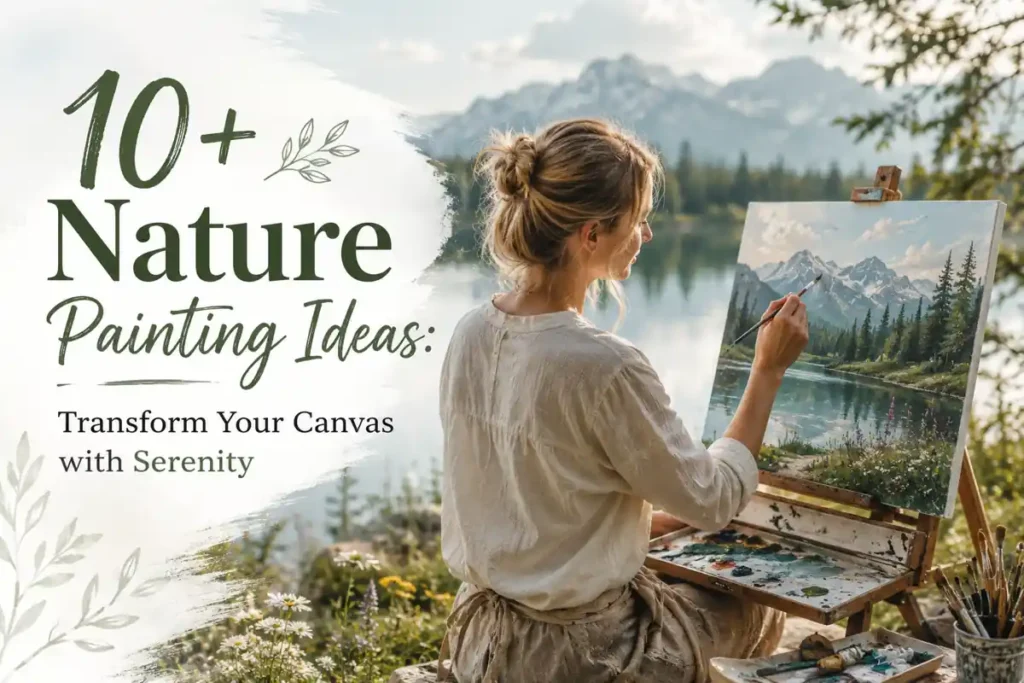
From peaceful landscapes to vibrant floral scenes, nature art allows you to explore endless subjects and styles. With simple techniques and a bit of imagination, you can turn a blank canvas into a serene masterpiece inspired by the outdoors.
Items to Buy for Nature Painting
Before you begin, gather these basic painting supplies:
- Canvas or painting paper
- Acrylic or watercolor paints
- Paintbrush set (fine, medium, flat)
- Palette for mixing colors
- Pencil for sketching
- Water container
- Cloth or paper towels
- Easel (optional)
- Masking tape
Choosing the Right Colors for Nature Art
Color selection plays a key role in nature painting. Greens and browns are essential for landscapes, while blues and whites are perfect for skies, rivers, and oceans.
Bright colors like yellow, orange, and red can be used for flowers, sunsets, and seasonal scenes. Blending colors smoothly helps create depth and realism in your artwork.
Basic Techniques for Nature Painting
Start with light sketching to plan your composition before applying paint. Layering is important—begin with background elements like sky and land, then gradually add details.
Blending and dry brushing techniques help create realistic textures such as clouds, water reflections, and tree foliage. Practice these methods to improve your nature painting skills.
10+ Nature Painting Ideas
1. Peaceful Mountain Landscape
Mountain landscapes are one of the most popular nature painting ideas. Start by sketching layered mountain ranges in the background and add snow caps for detail. Use gradient shading to create depth and distance.
In the foreground, add trees, rivers, or small houses to bring life to the scene. This design creates a calming and majestic view of nature’s beauty.
2. Sunset Over the Ocean
A sunset ocean scene captures warm and cool tones beautifully. Blend orange, pink, and purple in the sky while reflecting similar shades on the water surface.
Add silhouettes of birds or boats to enhance the composition. This painting creates a peaceful and emotional atmosphere.
3. Forest Pathway Scene
Paint a winding path through a dense forest filled with tall trees. Use different shades of green to create depth and natural texture.
Light filtering through trees adds realism and serenity to the artwork, making it feel immersive and calm.
4. Waterfall in the Mountains
Waterfall paintings combine movement and tranquility. Use white and blue tones to depict flowing water cascading down rocky cliffs.
Surround the waterfall with greenery and mist effects for a realistic natural environment.
5. Flower Field Landscape
A blooming flower field is perfect for beginners. Paint colorful flowers spread across a grassy field under a bright sky.
This idea brings vibrancy and happiness to your canvas while allowing experimentation with color combinations.
6. Calm River Scene
A flowing river surrounded by trees and hills creates a peaceful composition. Use soft brush strokes to reflect water movement and sky reflections.
This painting is ideal for practicing blending and perspective techniques.
7. Sunrise Over Hills
Sunrise paintings use soft gradients of yellow, orange, and pink to show the beginning of a new day.
Add silhouettes of hills and trees to contrast the bright sky, creating a warm and hopeful atmosphere.
8. Snowy Winter Landscape
A winter scene features snow-covered trees, mountains, and soft white textures. Use cool tones like blue and gray to create a chilly atmosphere.
Add falling snow details for a realistic seasonal effect.
9. Beach Shoreline Scene
Paint waves gently touching the shore with sand, shells, and palm trees. Use soft blending techniques for water movement.
This relaxing beach scene is perfect for calming, tropical-inspired artwork.
10. Lake Reflection Painting
A still lake reflecting mountains, trees, or sky creates a symmetrical and peaceful composition.
Focus on smooth blending to achieve a mirror-like reflection effect.
11. Rainy Nature Scene
A rainy landscape includes wet roads, trees, and cloudy skies. Use darker tones and dripping paint effects for realism.
This moody scene captures the beauty of rainy weather in nature.
How to Improve Nature Painting Skills
Practice observation by studying real landscapes or reference images. Focus on understanding light, shadow, and color balance in nature.
Regular practice helps improve brush control, blending techniques, and overall composition skills.
Common Mistakes to Avoid
Avoid using too many colors in a single scene, as it can make the painting look cluttered. Stick to a balanced palette.
Another mistake is skipping background layers, which can reduce depth and realism in nature paintings.
Tips for Realistic Nature Paintings
- Start with light sketches before painting
- Build layers from background to foreground
- Use blending for skies and water
- Add small details for realism
- Practice perspective and shading
FAQs
What is the easiest nature painting for beginners?
Flower fields, sunsets, and simple mountain scenes are the easiest for beginners.
Which paint is best for nature painting?
Acrylic paint is best for beginners due to its fast drying time and versatility.
How can I make my nature painting look realistic?
Use proper blending, layering, and shading techniques to create depth and realism.
Do I need advanced skills for nature painting?
No, beginners can start with simple landscapes and gradually improve with practice.
Final Words
Nature Painting Ideas offer a peaceful and creative way to connect with the beauty of the natural world. Whether you prefer mountains, oceans, forests, or sunsets, each painting allows you to express calmness and imagination.
With simple techniques and regular practice, you can transform any canvas into a stunning natural scene full of serenity and life.