
Foam is a versatile material used for crafts, cosplay props, model making, holiday decorations, and DIY projects. While foam is lightweight and easy to shape, painting it requires special preparation to achieve a smooth, durable finish. Using the wrong paint or skipping important steps can lead to uneven coverage, peeling, or even damage to the foam itself.
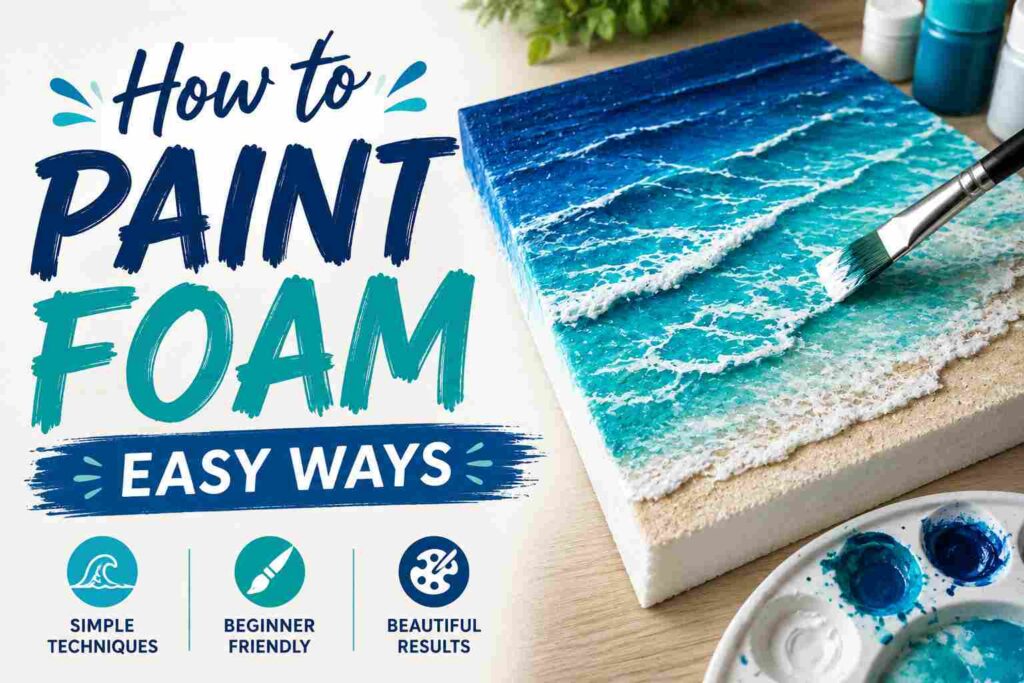
The good news is that learning how to paint foam is simple once you understand the right materials and techniques. Whether you’re working with EVA foam, polystyrene foam, foam board, or craft foam, this guide will walk you through the process from preparation to finishing touches.
Things You’ll Need
Before you begin, gather the necessary supplies.
Essential Materials
- Foam project
- Soft brush or cloth
- Fine-grit sandpaper
- Primer or foam sealer
- Acrylic paint
- Paintbrushes
- Water container
- Palette or paint tray
Optional Supplies
- Spray primer designed for foam
- Foam-safe spray paint
- Airbrush
- Craft knife
- Heat gun (for EVA foam)
- Clear protective sealer
Different Ways to Paint Foam
The best method depends on the type of foam and desired finish.
Acrylic Brush Painting
Ideal for most foam projects and beginners.
Airbrushing
Provides smooth, professional-looking coverage.
Foam-Safe Spray Painting
Fast and effective when using compatible products.
Dry Brushing
Excellent for adding texture and weathering effects.
Sponge Painting
Creates unique decorative finishes.
Layered Detailing
Perfect for props, costumes, and model-making projects.
Why Paint Foam?
Painting foam offers several benefits.
Enhances Appearance
Transforms plain foam into realistic or decorative creations.
Protects the Surface
Sealers and paint help reduce wear and tear.
Adds Realistic Effects
Useful for props, scenery, and cosplay projects.
Increases Durability
Properly painted foam resists scratches and minor damage better.
Allows Creative Customization
You can create virtually any color, texture, or finish.
Understanding Different Types of Foam
Before painting, identify the type of foam you’re using.
EVA Foam
Commonly used for cosplay, costumes, and props.
Polystyrene Foam
Often found in insulation boards and packaging.
Craft Foam
Thin sheets used for decorations and children’s crafts.
Foam Board
Popular for signs, displays, and model construction.
Different foam types may require slightly different preparation methods.
How to Paint Foam Step by Step
Step 1: Clean the Foam Surface
Remove dust, dirt, and debris using a soft cloth or brush.
A clean surface helps paint adhere properly.
Step 2: Smooth Rough Areas
Lightly sand rough spots using fine-grit sandpaper.
Avoid excessive pressure, especially on softer foams.
Step 3: Seal the Foam
Apply a foam-safe sealer or primer.
Common options include:
- Mod Podge
- PVA glue mixtures
- Flexible foam primers
- Specialized cosplay sealers
Sealing creates a smooth surface and reduces paint absorption.
Step 4: Allow the Sealer to Dry
Follow the product’s drying instructions.
Complete drying is essential before painting.
Step 5: Apply a Base Coat
Use acrylic paint to create a solid foundation color.
Apply thin, even coats rather than one thick layer.
Step 6: Let the Paint Dry
Allow each coat to dry fully before adding another.
Multiple thin coats usually produce better results.
Step 7: Add Additional Color Layers
Build up color gradually until you achieve the desired coverage.
Use smooth brush strokes for an even finish.
Step 8: Add Details and Effects
Enhance your project with:
- Highlights
- Shadows
- Weathering
- Metallic finishes
- Texture effects
This step brings your foam project to life.
Step 9: Create Depth With Shading
Use darker tones in recessed areas and lighter colors on raised surfaces.
Shading creates dimension and realism.
Step 10: Apply Highlights
Add bright accents to edges and prominent features.
Highlights help define shapes and details.
Step 11: Seal the Finished Paint
Apply a clear protective topcoat.
Options include:
- Matte sealer
- Satin sealer
- Gloss sealer
Choose the finish that best suits your project.
Step 12: Allow Final Curing Time
Let the sealer cure completely before handling the project extensively.
This improves durability and longevity.
Easy Foam Painting Ideas
Looking for inspiration? Try one of these projects.
Cosplay Armor
Paint EVA foam to resemble metal or leather.
Fantasy Weapons
Create swords, shields, and magical staffs.
Decorative Signs
Design colorful home décor pieces.
Holiday Decorations
Paint seasonal ornaments and display items.
Model Terrain
Build realistic landscapes for miniatures and dioramas.
Children’s Craft Projects
Use bright colors and fun designs.
Common Mistakes to Avoid
Skipping the Sealer
Unsealed foam often absorbs paint unevenly.
Using Foam-Damaging Paints
Some solvent-based paints can melt certain foam types.
Applying Thick Paint Layers
Heavy coats may crack or dry unevenly.
Ignoring Drying Times
Rushing between coats can ruin the finish.
Forgetting the Protective Topcoat
A final sealer improves durability and appearance.
Tips for Professional-Looking Results
Test Products First
Always test paint and primer on a scrap piece of foam.
Use Thin Coats
Multiple thin coats provide smoother coverage.
Sand Between Layers if Needed
Light sanding can create an ultra-smooth finish.
Work in Good Lighting
Proper lighting helps you spot uneven coverage.
Choose High-Quality Acrylic Paints
Better paints often provide stronger color and easier application.
Best Paints for Foam
Acrylic Paint
The most popular and versatile option.
Flexible Cosplay Paints
Ideal for EVA foam projects that may bend.
Foam-Safe Spray Paint
Works well for large surfaces and quick coverage.
Airbrush Paints
Provide smooth and professional finishes.
Always check product compatibility before use.
Final Thoughts
Learning how to paint foam is a valuable skill for crafters, artists, model makers, and cosplay enthusiasts. With proper preparation, sealing, and painting techniques, you can transform ordinary foam into impressive projects that look professional and last longer.
By following these easy steps and practicing different painting methods, you’ll be able to achieve smooth, durable, and visually stunning results on all kinds of foam creations.
Frequently Asked Questions
Can you paint foam directly?
You can, but sealing the foam first usually produces smoother and more durable results.
What paint works best on foam?
Acrylic paint is generally the safest and most effective option for most foam projects.
Will spray paint damage foam?
Some spray paints can melt foam. Always use foam-safe products or test first.
Do I need to prime foam before painting?
Priming or sealing is highly recommended for better adhesion and smoother coverage.
How do I make painted foam more durable?
Apply a protective clear sealer after painting.
Can beginners paint foam successfully?
Absolutely. Foam is easy to paint when proper preparation and materials are used.