
Learning how to remove paint from brick can help restore the natural beauty and texture of brick surfaces. Whether paint has started peeling, an old color no longer matches your space, or accidental paint splatters have landed on brick, removing it requires patience and the right technique.
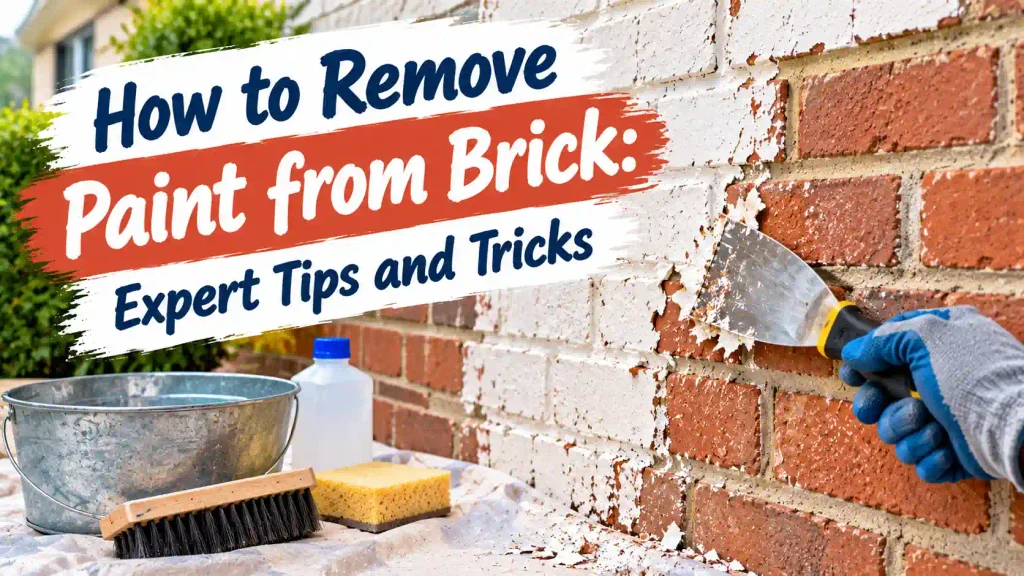
Brick is porous and textured, which makes paint removal more challenging than removing paint from smooth surfaces. The best method depends on the type of paint, the condition of the brick, and whether the surface is indoors or outdoors. This guide covers practical methods, safety tips, and important mistakes to avoid.
Items to Buy
- Paint stripper for masonry
- Paint scraper
- Stiff nylon brush
- Wire brush
- Drop cloths
- Protective gloves
- Safety goggles
- Respirator mask
- Bucket
- Sponge
- Clean water
- Mild detergent
- Plastic sheeting
- Painter’s tape
- Pressure washer
- Masonry cleaner
- Plastic scraper
- Old towels
- Dust brush
Why Is Paint Difficult to Remove from Brick?
Brick has a naturally porous surface filled with tiny holes and uneven textures. When paint is applied, it can penetrate these small openings and bond strongly to the surface.
Older paint can be even more difficult to remove because multiple layers may have been applied over the years. The uneven surface also makes it challenging to use standard scraping techniques without leaving paint behind in small crevices.
For this reason, removing paint from brick usually requires a combination of softening, scraping, brushing, and cleaning.
Before You Start Removing Paint
Before beginning, inspect the condition of the brick and mortar. Loose, cracked, or damaged brick may require repair before aggressive cleaning methods are used.
It is also important to identify the type and age of the paint when possible. Very old paint may contain hazardous materials, so avoid sanding, grinding, or creating dust if you are unsure about the coating.
Always wear appropriate protective equipment and work in a well-ventilated area when using chemical paint removers.
Choosing the Right Paint Removal Method
The best method for removing paint depends on the surface and the amount of paint present.
A small paint spill may only require a scraper and masonry-safe cleaner. Thick or multiple layers of paint may require a specialized paint stripper designed for brick and masonry.
Pressure washing can sometimes help with exterior brick, but excessive pressure may damage older brick or weaken mortar. Choose the gentlest effective method and test it on a small, hidden area first.
How to Remove Paint from Brick Step by Step
Step 1: Prepare the Work Area
Start by clearing furniture, decorations, and other items away from the work area. Cover nearby surfaces with drop cloths or plastic sheeting to protect them from paint debris and cleaning products.
If you are working indoors, make sure the room has good ventilation. Open windows and doors where possible and follow all safety instructions for the products you plan to use.
Step 2: Inspect the Brick and Paint
Look closely at the brick surface before choosing a removal method. Check for loose mortar, cracks, damaged brick, or areas where the surface appears fragile.
Also examine the paint. Determine whether you are dealing with a thin layer, several layers, peeling paint, or a small accidental spill. This will help you choose the most appropriate removal technique.
Step 3: Test a Small Area
Before treating the entire surface, test your chosen method on a small, hidden section of brick.
Apply the paint remover or cleaner according to the product instructions and observe how the brick reacts. Testing first can help prevent discoloration, damage, or unexpected results across a larger area.
Step 4: Apply a Masonry-Safe Paint Stripper
For large painted areas, use a paint stripper specifically designed for brick or masonry surfaces. Apply it evenly using the method recommended by the manufacturer.
Allow the product to remain on the paint for the recommended amount of time. The stripper needs time to soften or loosen the paint so it can be removed more easily.
Step 5: Allow the Paint to Soften
Do not rush the waiting period. Paint removers work by breaking down the bond between the paint and the brick surface.
Depending on the product and the thickness of the paint, this process may take a significant amount of time. Follow the recommended dwell time carefully and avoid allowing the product to dry if the instructions say it should remain wet.
Step 6: Scrape Away the Loosened Paint
Once the paint has softened, use a plastic scraper or another suitable scraping tool to gently lift the loosened material.
Work carefully to avoid gouging the brick or damaging the mortar joints. Because brick is uneven, you may need to work slowly around textured areas and small crevices.
Collect the removed paint and debris for proper disposal.
Step 7: Brush the Brick Surface
After removing the larger pieces of paint, use a stiff nylon brush to clean remaining paint from the textured surface.
Brush gently but thoroughly, paying attention to grooves, edges, and small holes in the brick. Avoid using excessive force that could damage weak or deteriorating mortar.
For stubborn spots, you may need to repeat the paint-softening process rather than scrubbing aggressively.
Step 8: Clean the Remaining Residue
Use clean water and a masonry-safe cleaning method to remove remaining residue from the brick.
A sponge or soft brush can help clean the surface after the paint has been removed. Follow the instructions for any paint stripper carefully because some products require a specific neutralizing or cleaning process.
Do not leave chemical residue on the brick.
Step 9: Use Pressure Washing Carefully
For exterior brick, pressure washing may help remove loosened paint and cleaning residue. However, high pressure can damage brick and mortar, especially on older or softer masonry.
Use the lowest effective pressure and keep the spray moving. Avoid directing a powerful stream into mortar joints or damaged areas. If you are uncertain about the condition of the brick, choose a gentler cleaning method.
Step 10: Allow the Brick to Dry and Inspect the Results
After cleaning, allow the brick to dry completely. Wet brick can look different from dry brick, so wait until the surface has dried before deciding whether additional paint removal is needed.
Inspect the entire area for remaining paint. Repeat the process on stubborn spots if necessary, then clean the work area and dispose of paint debris according to local requirements.
How to Remove Small Paint Splashes from Brick
Small paint splatters are often easier to remove than an entire painted surface.
Start by gently scraping the dried paint with a plastic scraper. Avoid digging into the brick with sharp tools because they can scratch or chip the surface.
If paint remains inside the brick texture, apply a small amount of masonry-safe paint remover and follow the product directions. A nylon brush can help lift softened paint from small crevices.
How to Remove Latex Paint from Brick
Latex paint may be easier to remove than some other types of coatings, especially if it is relatively fresh.
Begin by testing gentle scraping and cleaning methods. For dried paint, a masonry-safe paint stripper can help soften the coating before removal.
Avoid assuming that water alone will remove dried latex paint. Once the paint has cured, it may bond strongly to porous brick.
How to Remove Oil-Based Paint from Brick
Oil-based paint can be particularly durable and may require a stronger masonry-safe stripping product.
Apply the product according to the manufacturer’s instructions and allow enough time for the paint to soften. Remove loosened layers gradually instead of attempting to force them off the brick.
Several applications may be necessary if thick layers of paint are present.
How to Remove Paint from Exterior Brick
Exterior brick often gives you more options because water can be used more freely than in many indoor spaces.
A combination of masonry paint stripper, scraping, brushing, and careful rinsing may be effective. Pressure washing can also be useful when performed cautiously.
Avoid using excessive water pressure on old brick, damaged masonry, or weak mortar joints.
How to Remove Paint from Interior Brick
Interior brick requires additional care because chemical fumes and water can affect the surrounding space.
Choose products suitable for indoor use and maintain good ventilation. Protect floors, furniture, and nearby surfaces before beginning.
Use controlled amounts of cleaning solution and water. Allow the brick to dry thoroughly after the removal process.
Can You Use a Wire Brush on Brick?
A wire brush may remove paint from some brick surfaces, but it should be used carefully.
Aggressive brushing can scratch brick, remove surface material, and damage mortar joints. A stiff nylon brush is often a safer choice for general cleaning after the paint has been softened.
If you use a wire brush, test it on a small hidden area and apply only gentle pressure.
Can You Use a Pressure Washer to Remove Paint from Brick?
A pressure washer can help remove loose paint from exterior brick, but it is not always the safest option.
Excessive pressure can erode mortar, damage older brick, and force water deep into the masonry. Start with the lowest effective setting and test a small area first.
For delicate, historic, or damaged brick, professional advice may be a better option.
Best Methods for Removing Paint from Brick
Several methods may be effective depending on the situation:
- Masonry-safe paint stripper
- Gentle scraping
- Nylon brushing
- Careful pressure washing
- Masonry cleaning products
- Repeated treatment for stubborn paint
The safest approach is usually to start with the least aggressive method and increase the treatment only when necessary.
Common Mistakes to Avoid
One common mistake is using too much pressure when scraping or washing the brick. Brick may appear extremely hard, but older or damaged surfaces can be vulnerable to chipping and erosion.
Another mistake is using a paint remover that is not designed for masonry. Some harsh products may stain or damage the surface.
Avoid rushing the process. Paint stripper often needs enough time to soften the coating properly. Trying to scrape paint before it has loosened can lead to unnecessary force and surface damage.
Do not forget to test your method in a hidden area before treating the entire wall.
Tips for Better Results
Work in small sections rather than attempting to treat an entire large wall at once. This makes it easier to control the paint remover and prevent it from drying before you are ready to remove the paint.
Use patience instead of excessive force. If the paint does not come off easily, apply another treatment rather than aggressively scraping the brick.
Keep the work area clean as you go. Removing loose debris regularly makes it easier to see which areas still need attention.
Always follow the instructions provided with any chemical paint remover because application and cleanup requirements can vary between products.
When to Call a Professional
Professional help may be the best choice for large painted brick surfaces, historic masonry, severely damaged brick, or situations involving old coatings with uncertain composition.
A professional can evaluate the brick and choose a removal method that minimizes the risk of damage. This may be especially important when the appearance and structural condition of the original brick must be preserved.
Getting expert advice can also save time and prevent expensive repairs caused by overly aggressive cleaning.
Maintaining Brick After Paint Removal
After the paint has been removed, allow the brick to dry completely before making decisions about additional treatments.
Inspect the surface for cracks, damaged mortar, or areas that may need repair. Clean the brick periodically using gentle methods to prevent heavy dirt buildup.
Avoid applying unnecessary coatings unless they are appropriate for your type of masonry. Natural brick often needs to release moisture, so using unsuitable surface products may create future problems.
FAQs
What is the easiest way to remove paint from brick?
The easiest method depends on the type and amount of paint. A masonry-safe paint stripper followed by gentle scraping and brushing is often effective for larger painted areas.
Can paint be completely removed from brick?
In many cases, a large amount of paint can be removed, but deeply absorbed paint may leave traces or discoloration because brick is porous.
Will a pressure washer remove paint from brick?
It can remove loose or softened paint, especially on exterior surfaces. However, excessive pressure can damage brick and mortar.
Can I use a wire brush to remove paint from brick?
You can, but aggressive wire brushing may damage the brick or mortar. A stiff nylon brush is often a gentler option.
Can I remove paint from old brick?
Yes, but old brick should be treated carefully because it may be more vulnerable to damage. Use gentle methods and consider professional assistance for fragile or historic masonry.
How do I remove dried paint from brick?
Apply a suitable masonry-safe paint remover, allow it to soften the paint, then carefully scrape and brush away the loosened material.
Can I paint brick again after removing old paint?
Yes, but the brick should be clean, dry, and properly prepared. Make sure any repairs are completed before applying a new coating.
How long does it take to remove paint from brick?
The time depends on the size of the area, the number of paint layers, the type of paint, and the removal method. Small spots may take a short time, while large painted surfaces can require multiple treatments.
Final Words
Learning how to remove paint from brick takes patience, careful preparation, and the right removal method. Because brick is porous and textured, it is important to soften the paint properly and avoid aggressive techniques that could damage the surface or mortar.
By testing a small area, using masonry-safe products, working in sections, and cleaning carefully, you can improve your chances of successfully restoring the natural appearance of your brick. Take your time, follow product instructions, and consider professional help when working with old, fragile, or heavily painted masonry.