
Room Painting Ideas can completely change the look and feel of your home without requiring a major renovation. A fresh coat of paint can make a room feel larger, brighter, cozier, or more luxurious depending on the colors and techniques you choose.
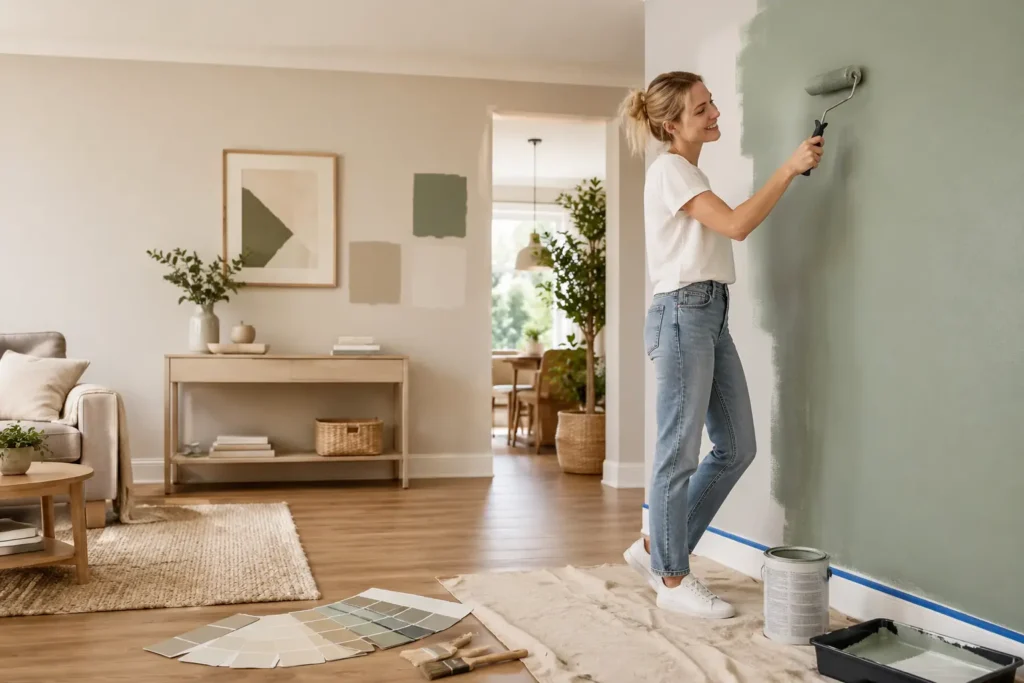
Whether you’re updating a bedroom, living room, home office, or guest room, the right paint design can add personality and style to your space. These creative ideas will inspire you to transform any room into a place you’ll love spending time in.
Items to Buy for Room Painting
Before starting your painting project, gather these essential supplies:
- Interior wall paint
- Paint primer
- Paint rollers and roller covers
- Paintbrushes (various sizes)
- Painter’s tape
- Paint trays
- Drop cloths
- Sandpaper
- Spackling paste for wall repairs
- Ladder or step stool
- Measuring tape
- Clean cloths
Preparing Your Room for Painting
Proper preparation helps ensure professional-looking results. Remove furniture or move it to the center of the room and cover everything with drop cloths.
Clean the walls thoroughly, fill any holes or cracks, and lightly sand rough areas. Applying primer before painting can improve coverage and help colors appear more vibrant.
Choosing the Right Paint Colors
Color plays a major role in how a room feels. Light colors like white, beige, and soft gray can make small rooms appear larger and brighter.
Darker shades such as navy blue, charcoal, and forest green create depth and sophistication. Consider your room’s lighting and décor when selecting paint colors.
15 Room Painting Ideas
1. Accent Wall Design
An accent wall is one of the easiest ways to add visual interest to a room. Choose one wall and paint it a bold color while keeping the remaining walls neutral.
This technique creates a focal point without overwhelming the space. Accent walls work especially well behind beds, sofas, fireplaces, or entertainment centers.
2. Two-Tone Wall Painting
Two-tone walls divide the wall into two colors, often using a darker shade on the bottom and a lighter one on top. This creates a stylish and balanced appearance.
The contrast adds character and dimension to the room. It also works well in both modern and traditional interiors.
3. Soft Neutral Elegance
Neutral colors such as beige, cream, and warm gray create a timeless and sophisticated atmosphere. These shades complement almost any furniture and décor style.
A neutral room feels calm and welcoming while providing flexibility for future decorating updates.
4. Geometric Painted Walls
Geometric patterns add a modern and artistic touch to any room. Use painter’s tape to create triangles, diamonds, or abstract shapes before applying paint.
This design creates visual interest and allows you to experiment with multiple colors while maintaining a structured appearance.
5. Ombre Wall Effect
Ombre painting blends one color gradually into another, creating a soft gradient effect across the wall. This technique adds depth and elegance.
Popular combinations include blue to white, pink to peach, or gray to charcoal. Ombre walls create a luxurious and unique look.
6. Nature-Inspired Green Walls
Green shades inspired by nature can make a room feel calm and refreshing. Sage green, olive green, and forest green are popular choices.
These colors pair beautifully with wood furniture, indoor plants, and natural textures for a relaxing environment.
7. Modern Black Accent Room
Black walls can create a bold and sophisticated statement when used correctly. Pair black paint with lighter furniture and metallic accents for balance.
This dramatic style works especially well in home offices, dining rooms, and modern living spaces.
8. Textured Paint Finish
Textured paint techniques add depth and visual interest beyond a standard flat wall. Sponges, brushes, and specialty rollers can create unique effects.
This approach works well for feature walls and adds a custom, designer-inspired appearance.
9. Striped Wall Design
Painted stripes can make a room appear taller or wider depending on their direction. Vertical stripes emphasize height, while horizontal stripes add width.
Use contrasting or subtle color combinations to achieve the desired visual effect.
10. Warm Earth Tone Room
Earth tones such as terracotta, clay, and warm brown create a cozy and inviting atmosphere. These colors bring warmth and comfort to living spaces.
They pair especially well with natural materials such as wood, linen, and woven décor.
11. Pastel Color Palette
Soft pastel shades like blush pink, lavender, mint green, and pale blue create a light and cheerful environment. They are ideal for bedrooms and nurseries.
Pastel rooms feel bright, relaxing, and effortlessly stylish.
12. Color Block Walls
Color blocking involves painting large sections of walls in different colors to create a bold and artistic statement. The design can be simple or highly creative.
This trend works particularly well in modern homes and creative spaces.
13. Monochromatic Room Design
A monochromatic color scheme uses different shades of the same color throughout the room. This creates a cohesive and sophisticated appearance.
The layered tones add depth while maintaining a calm and harmonious atmosphere.
14. Ceiling and Wall Color Match
Painting the ceiling the same color as the walls creates a seamless and dramatic effect. This technique can make a room feel cozy and intentional.
It works especially well in smaller spaces or rooms with unique architectural features.
15. Mural-Inspired Painted Room
Create a custom mural featuring landscapes, abstract art, florals, or cityscapes. A painted mural turns a wall into a large-scale piece of artwork.
This idea allows complete personalization and creates a truly unique room design.
How to Make Paint Last Longer
Use high-quality paint and primer for better durability. Proper surface preparation and applying multiple thin coats can significantly improve the final result.
Avoid excessive moisture and clean painted walls gently to preserve their appearance over time.
Common Room Painting Mistakes to Avoid
Skipping primer can result in uneven color coverage and reduced paint adhesion. Taking time to prepare walls properly helps achieve professional results.
Another common mistake is choosing colors without testing samples first. Always test paint colors in different lighting conditions before committing.
Tips for Professional-Looking Results
- Use painter’s tape for clean edges
- Apply thin, even coats of paint
- Allow adequate drying time between coats
- Test colors before painting entire walls
- Use quality brushes and rollers
- Work in consistent lighting conditions
FAQs
What is the most popular room paint color?
Neutral shades such as white, beige, gray, and soft green remain among the most popular choices for many homes.
How do I choose the right room color?
Consider room size, natural light, existing furniture, and the mood you want to create.
Should I use primer before painting?
Yes. Primer improves paint adhesion, enhances color coverage, and creates a smoother finish.
How often should rooms be repainted?
Most interior rooms benefit from repainting every five to seven years, depending on wear and usage.
Final Words
Room Painting Ideas offer endless possibilities for refreshing your home and expressing your personal style. Whether you prefer modern geometric patterns, calming neutrals, bold accent walls, or artistic murals, the right paint design can completely transform your space.
With proper planning, quality materials, and a little creativity, you can create a room that feels fresh, stylish, and uniquely yours.