
The best fence paints can refresh an aging fence, improve your home’s curb appeal, and provide a protective finish against outdoor weather. However, choosing the right paint depends on the material you’re covering. A Wood Fence needs a coating designed for exterior wood, a Metal Fence requires suitable corrosion protection, and a Vinyl Fence needs a compatible bonding system to help the paint adhere properly.
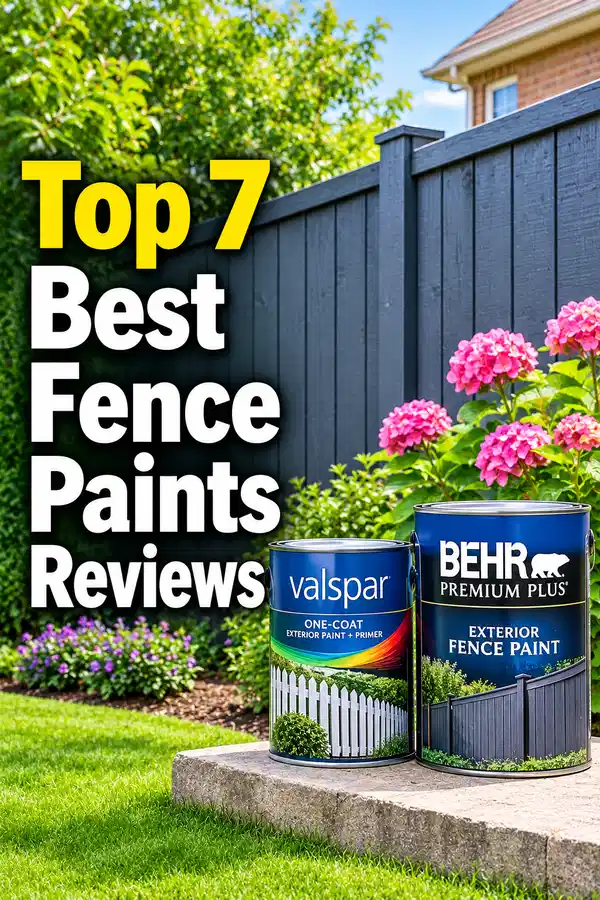
In this guide, we’ll compare seven fence paint options for different materials and projects. You’ll find our top picks, a comparison table, individual product reviews, and a practical buying guide to help you select the right coating for your fence. We’ll also explain how to prepare different fence materials and avoid common painting mistakes.
Our Top Picks
- Best Overall for Wood Fences: BEHR Barn & Fence Paint – A fence-specific exterior coating for smooth and rough-sawn vertical wood.
- Best for Exterior Wood Protection: KILZ Siding, Fence & Barn Paint – A dedicated coating for exterior wood, with additional approved applications on masonry and stucco.
- Best for Metal Fences: Rust-Oleum Stops Rust Protective Enamel – A rust-preventive enamel for compatible metal surfaces.
- Best for Vinyl Fences: Benjamin Moore Regal Select Exterior Paint – An exterior paint option when used with the recommended vinyl preparation and bonding primer system.
- Best for Mixed Exterior Surfaces: Valspar Barn & Fence Latex Paint – A fence-oriented coating option for compatible exterior surfaces.
- Best for Traditional Barn and Fence Projects: Majic Paints Latex Flat Barn & Fence Paint – A flat exterior coating to consider for suitable wood and other approved surfaces.
- Best for Wood and Primed Metal: PPG Acrylic Barn and Fence Paint – A flat exterior coating designed primarily for wood fencing, with incidental primed-metal applications.
Fence Paint Comparison Table
| Product Name | Best For | Check Price |
|---|---|---|
| BEHR Barn & Fence Paint | Exterior vertical wood fences | Check on Amazon |
| KILZ Siding, Fence & Barn Paint | Exterior wood and approved masonry | Check on Amazon |
| Rust-Oleum Stops Rust Protective Enamel | Compatible metal fences and gates | Check on Amazon |
| Benjamin Moore Regal Select Exterior Paint | Properly prepared vinyl fences | Check on Amazon |
| Valspar Barn & Fence Latex Paint | Compatible exterior fence surfaces | Check on Amazon |
| Majic Latex Flat Barn & Fence Paint | Traditional exterior fence projects | Check on Amazon |
| PPG Acrylic Barn and Fence Paint | Wood fences and incidental primed metal | Check on Amazon |
Affiliate disclosure: As an Amazon Associate I earn from qualifying purchases.
Product note: The links above lead to Amazon searches using the affiliate tracking tag. Some professional and specialty coatings may be sold primarily through paint dealers. Confirm the exact formula, intended surface, finish, container size, and seller before purchasing. These products are not interchangeable across wood, vinyl, and metal.
Top 7 Best Fence Paints Reviews
1. BEHR Barn & Fence Paint – Best Overall for Wood Fences
BEHR Barn & Fence Paint is a fence-specific exterior coating designed for smooth and rough-sawn vertical wood surfaces. It is a strong option for homeowners who want to refresh a traditional wooden fence, garden boundary, or outdoor structure with an opaque finish.
Its formula combines characteristics associated with oil and latex coatings, with an emphasis on adhesion, color retention, and durability. The flat finish gives fences a traditional appearance without a strong reflective shine. It is available in colors such as barn red and white, making it particularly suitable for rustic and agricultural-style projects.
The manufacturer lists coverage of approximately 200–500 square feet per gallon, depending on surface texture and porosity. Rough or weathered boards may require more paint than smooth wood.
One important limitation is that this product is intended for vertical exterior wood surfaces. It should not be treated as a universal coating for vinyl or metal fencing. It is also not designed for horizontal surfaces subject to foot traffic.
Pros:
- Specifically designed for exterior vertical wood.
- Suitable for smooth and rough-sawn fence surfaces.
- Traditional flat finish.
- Available in recognizable barn colors.
- Soap-and-water cleanup.
Cons:
- Not a universal vinyl or metal fence paint.
- Rough wood may require additional coverage.
- Requires completely dry wood and proper preparation.
- Not intended for horizontal walking surfaces.
Best For: Homeowners painting traditional wooden garden fences, boundary fences, and outdoor wood structures.
2. KILZ Siding, Fence & Barn Paint – Best for Exterior Wood Protection
KILZ Siding, Fence & Barn Paint is another dedicated exterior coating worth considering for wooden fencing. It is formulated for properly prepared exterior vertical wood surfaces, including smooth and rough wood.
The product uses an oil-latex formula intended to provide adhesion and resist cracking, peeling, and blistering. This makes it a useful option for weather-exposed fencing that needs a fresh, solid-color finish.
One advantage is that the manufacturer also lists additional applications on certain laminates, masonry, and stucco surfaces. However, this does not mean it is automatically suitable for every exterior material. Follow the product instructions for the specific substrate you intend to coat.
Its flat finish works well for traditional fences, barns, and outdoor structures. Before applying it, remove loose paint, clean the surface, and address mildew stains. Allow the wood to dry thoroughly.
Pros:
- Designed for exterior vertical wood surfaces.
- Suitable for smooth and rough wood.
- Formulated to resist cracking, peeling, and blistering.
- Additional approved applications on certain masonry and stucco surfaces.
- Flat finish for traditional outdoor projects.
Cons:
- Limited finish and color selection.
- Not intended as a dedicated vinyl or metal coating.
- Requires thorough surface preparation.
- Coverage varies with the condition and texture of the wood.
Best For: Homeowners who need an exterior coating for wooden fences, barns, and compatible outdoor structures.
3. Rust-Oleum Stops Rust Protective Enamel – Best for Metal Fences
Rust-Oleum Stops Rust Protective Enamel is a useful choice when your project involves iron or steel fencing, metal gates, railings, or other compatible metal surfaces. Unlike ordinary exterior wood paint, this product is designed with corrosion protection in mind.
Metal fences are regularly exposed to rain, moisture, sunlight, and temperature changes. Once the original finish becomes damaged, exposed metal can begin to rust. A suitable rust-preventive coating can help protect properly prepared metal and improve its appearance.
The product is available in different colors and finishes, including gloss options. A black or dark gloss finish can give decorative iron fencing a classic appearance, while other colors can coordinate with the home’s exterior.
Preparation is especially important. Remove loose rust and peeling paint, clean away dirt and grease, and use the recommended rust-inhibiting primer where necessary. Check whether the exact version you purchase is approved for the metal and existing coating.
Pros:
- Designed for compatible metal surfaces.
- Rust-preventive coating.
- Available in multiple colors and finishes.
- Suitable for metal gates, railings, and fence sections.
- Useful for exterior metal maintenance.
Cons:
- Not a dedicated wood or vinyl fence coating.
- Oil-based versions require appropriate cleanup.
- Rust removal and preparation are essential.
- Drying times can be longer than water-based alternatives.
Best For: Iron and steel fences, metal gates, and compatible exterior railings where corrosion protection is important.
4. Benjamin Moore Regal Select Exterior Paint – Best for Vinyl Fences
Benjamin Moore Regal Select Exterior Paint is worth considering when you want to change the appearance of a compatible vinyl fence. Vinyl is different from wood and metal because it has a smooth, relatively nonporous surface that can make paint adhesion challenging.
Benjamin Moore recommends using its Insl-X STIX Waterborne Bonding Primer before painting vinyl, followed by a suitable exterior finish such as Regal Select. The correct primer and topcoat combination is important for creating a more reliable coating system.
Color selection also matters. Darker paint can absorb more heat and potentially cause vinyl components to warp or become damaged. Benjamin Moore advises avoiding colors darker than the original vinyl color unless the selected color and coating system are specifically approved for that application.
Regal Select Exterior Paint is designed for exterior use, with a finish intended to withstand outdoor exposure. However, the exact product instructions should be checked before applying it to a fence.
Pros:
- Exterior paint option for compatible vinyl surfaces.
- Can be used as part of a recommended bonding-primer system.
- Multiple color choices.
- Suitable for certain exterior painting projects.
- Helps refresh the appearance of aging vinyl when properly applied.
Cons:
- Requires appropriate bonding primer.
- Not every color is suitable for vinyl.
- Dark colors can create heat-related problems.
- More preparation than simply painting porous wood.
Best For: Homeowners refreshing a vinyl fence with a compatible primer and exterior paint system.
5. Valspar Barn & Fence Latex Paint – Best for Mixed Exterior Surfaces
Valspar Barn & Fence Latex Paint is an option to investigate for exterior fence projects where a traditional barn-style finish is preferred. Fence-specific coatings are useful because they are developed with outdoor structures and weather exposure in mind.
Depending on the exact product version, Valspar barn and fence formulas may list applications for wood and certain properly primed metal surfaces. This can make the product worth considering for a property with more than one type of exterior structure.
The key is to check the label carefully. A coating approved for primed metal is not automatically suitable for bare metal, galvanized fencing, or every existing finish. Likewise, do not assume that a wood fence formula can be used on vinyl.
Before application, remove dirt, loose paint, and mildew stains. Follow the specified primer requirements and apply the paint under suitable weather conditions.
Pros:
- Fence-oriented exterior paint option.
- Useful for suitable outdoor wood projects.
- Some product versions list additional approved exterior surfaces.
- Traditional appearance for barns and fences.
- Worth considering for larger outdoor maintenance projects.
Cons:
- Formulas and approved substrates may vary.
- Primed metal requirements must be checked.
- Not automatically suitable for vinyl fencing.
- Availability may vary by retailer.
Best For: Homeowners painting compatible wood fences and other approved exterior surfaces.
6. Majic Paints Latex Flat Barn & Fence Paint – Best for Traditional Barn and Fence Projects
Majic Paints Latex Flat Barn & Fence Paint is worth considering for outdoor projects that need a traditional, low-sheen finish. Its intended applications can include suitable fences and agricultural structures, depending on the exact product label.
A flat finish is often attractive on long fence runs because it creates a softer appearance and does not reflect as much sunlight as a glossy coating. It can also help make minor surface variations less noticeable.
For a wooden fence, clean the boards and remove loose material before painting. If the wood has been exposed to rain or moisture, allow it to dry thoroughly. Applying exterior paint to damp wood can lead to adhesion and durability problems.
If your fence contains metal or masonry sections, verify the selected product’s approved surface list rather than assuming that every barn paint is suitable for mixed materials.
Pros:
- Traditional flat exterior finish.
- Suitable option for compatible fence projects.
- Useful for agricultural-style structures.
- Less reflective than gloss coatings.
- Worth considering for larger outdoor surfaces.
Cons:
- Confirm the exact approved materials.
- Flat finishes may show dirt more readily than some glossier coatings.
- Surface preparation remains necessary.
- Product availability and colors may vary.
Best For: Traditional outdoor wood fencing and barn-style structures where a flat finish is preferred.
7. PPG Acrylic Barn and Fence Paint – Best for Wood and Primed Metal
PPG Acrylic Barn and Fence Paint is a flat exterior vinyl-acrylic coating developed primarily for wood fencing and agricultural structures. It is an option for homeowners who want a dedicated fence coating rather than a general-purpose exterior wall paint.
The product information identifies wood fencing as a recommended use and also lists incidental primed metal and primed masonry applications. That distinction is important: metal should be properly primed before using this coating, and it should not be considered a direct-to-bare-metal rust-preventive enamel.
Its flat appearance is suitable for traditional fences and barns. The water-based formulation also allows cleanup with warm, soapy water.
Before purchasing, check the product number and availability. Specialty architectural coatings may be easier to find through paint suppliers than through general online retailers.
Pros:
- Specifically designed for wood fencing.
- Flat exterior finish.
- Water-based cleanup.
- Suitable for certain primed metal applications.
- Useful for agricultural and traditional fence projects.
Cons:
- Primed metal is required for metal applications.
- Not a dedicated vinyl fence coating.
- Limited sheen options.
- Availability may vary by supplier.
Best For: Exterior wood fences and compatible primed-metal fence sections.
How to Choose the Best Fence Paint
The right fence coating depends on the material, existing finish, weather conditions, and appearance you want. Consider these factors before choosing a product.
1. Identify Your Fence Material
Start by determining what your fence is made from. Wood, vinyl, iron, steel, and galvanized metal have different surface properties and preparation requirements.
- Wood: Choose a fence-specific exterior paint or suitable exterior wood coating.
- Vinyl: Use a compatible bonding primer and exterior topcoat approved for vinyl.
- Iron or steel: Choose an exterior metal coating with corrosion protection.
- Galvanized metal: Use a primer and finish system specifically approved for galvanized surfaces.
- Masonry: Select an exterior masonry coating rather than assuming ordinary fence paint will work.
Choosing a product for the wrong material can lead to poor adhesion, peeling, cracking, or other coating failures.
2. Choose Between Paint and Stain
Paint and stain create different appearances on wood fencing.
| Feature | Exterior Fence Paint | Exterior Fence Stain |
|---|---|---|
| Appearance | Solid, opaque color | Transparent to solid, depending on type |
| Wood grain | Usually hidden | Can remain visible |
| Color choices | Broad range | Depends on stain type |
| Surface finish | Forms a paint film | Penetrates or forms a coating, depending on formula |
| Best for | Changing the fence color completely | Preserving or enhancing wood appearance |
If you want a completely different color, an opaque fence paint may be the better option. If you love the natural grain of your wooden fence, an exterior stain may be more appropriate.
3. Consider Weather Resistance
Outdoor fences receive direct sunlight, wind, rain, and changing temperatures. Choose a product specifically designed for exterior exposure and the material being painted.
Look for suitable protection against:
- UV exposure and fading.
- Rain and ordinary moisture.
- Cracking and peeling.
- Temperature-related movement.
- Dirt and everyday outdoor wear.
No paint can correct water damage or structural problems. Repair damaged boards, loose posts, and drainage issues before coating the fence.
4. Select the Right Finish
Fence paint is commonly available in flat, satin, semi-gloss, and gloss finishes, depending on the product.
- Flat: Creates a traditional, low-reflection appearance.
- Satin: Provides a soft sheen that is easier to coordinate with many exterior designs.
- Semi-gloss: Offers a more noticeable shine and a harder-looking finish.
- Gloss: Creates a reflective appearance that can emphasize surface imperfections.
Flat is a common choice for large wooden fences, while gloss or semi-gloss may suit decorative metal gates and railings.
5. Check Coverage and Container Size
Fence projects can involve a surprisingly large surface area. Measure the length and height of the fence before buying paint.
Remember that rough-sawn wood, porous boards, and older surfaces may absorb more coating than smooth, previously painted material. Follow the manufacturer’s coverage estimate and allow for additional paint when the surface is uneven or requires multiple coats.
Best Fence Paint by Material
Best Paint for a Wood Fence
For a traditional wooden fence, BEHR Barn & Fence Paint and KILZ Siding, Fence & Barn Paint are two useful options to compare. Both are intended for exterior wood applications.
Before painting, inspect the boards for rot, loose nails, cracks, and peeling coatings. Replace damaged sections and allow wet wood to dry before applying the new finish.
Pressure-treated lumber may need additional drying time before painting. Follow the paint manufacturer’s moisture and preparation recommendations.
Best Paint for a Vinyl Fence
A Vinyl Fence needs a coating system that can adhere to its smooth surface. Simply applying ordinary exterior wall paint may result in peeling or poor adhesion.
Clean the fence thoroughly and allow it to dry. A suitable bonding primer, such as Insl-X STIX, can help prepare vinyl for a compatible exterior topcoat. Benjamin Moore recommends this primer with an appropriate exterior finish such as Regal Select.
Avoid choosing a darker color than the original vinyl unless the paint system is specifically approved for that use. Dark colors can increase heat absorption and potentially cause distortion.
Also check the vinyl fence manufacturer’s warranty before painting. Some manufacturers may restrict painting or require specific products.
Best Paint for a Metal Fence
A Metal Fence needs a coating system that helps prevent corrosion and adheres to the particular metal.
Rust-Oleum Stops Rust Protective Enamel is a useful option for compatible iron and steel surfaces. Remove loose rust, clean away grease, and use the recommended rust-inhibiting primer when necessary.
Galvanized metal requires special attention because ordinary primers may not adhere properly to its zinc coating. Choose a primer specifically approved for galvanized metal and follow its preparation instructions.
How to Paint a Fence Properly
Good preparation and application make a major difference in the appearance and durability of a fence coating.
Step 1: Inspect the Fence
Check every section for damaged boards, loose fasteners, rust, peeling paint, and other defects.
Replace rotten wood and repair loose components before painting. For metal fences, identify rusted areas and check for corrosion that may have weakened the structure.
Step 2: Clean the Surface
Remove dirt, dust, mildew stains, grease, and loose debris.
A suitable outdoor cleaner can help prepare wood and vinyl. Metal may need a degreasing cleaner and a wire brush for loose corrosion. Rinse away cleaning residue and allow the fence to dry completely.
Step 3: Prepare the Material
Preparation depends on the fence type.
- Wood: Sand rough areas, remove loose paint, and replace damaged boards.
- Vinyl: Clean thoroughly and prepare the surface according to the bonding primer instructions.
- Metal: Remove loose rust and peeling paint, then apply the recommended metal primer.
- Galvanized metal: Use a preparation and primer system specifically approved for galvanized surfaces.
Step 4: Protect Surrounding Areas
Cover plants, nearby walls, paving, outdoor furniture, and other surfaces that should not receive paint.
Use painter’s tape and protective sheeting where needed. When spraying, protect a wider area because wind can carry overspray beyond the fence.
Step 5: Apply Primer When Required
Apply a compatible primer to bare wood, metal, vinyl, or other surfaces when the selected paint system requires it.
Allow the primer to dry according to the manufacturer’s instructions. Do not skip a recommended bonding or rust-inhibiting primer simply to save time.
Step 6: Apply the First Coat
Use a suitable brush, roller, or sprayer depending on the fence design and product instructions.
Brushes are useful for corners, joints, and detailed areas. Rollers can speed up work on broad, flat boards. Sprayers can cover large or intricate sections efficiently but require careful masking and controlled application.
Step 7: Apply Additional Coats
Follow the specified recoat interval. Apply additional coats when needed for consistent coverage and protection.
Avoid heavy applications that can create runs, drips, or uneven drying.
Step 8: Allow the Fence to Cure
Protect the fence from rain, dust, and unnecessary contact during drying and curing. Touch-dry paint is not necessarily fully cured.
Follow the product instructions before allowing regular contact or washing the newly painted surface.
Common Fence Painting Mistakes to Avoid
- Using the wrong paint: Wood, vinyl, and metal require different coating systems.
- Painting wet wood: Moisture can interfere with adhesion and lead to premature failure.
- Ignoring rust: Loose corrosion should be removed and treated before applying a metal coating.
- Skipping bonding primer on vinyl: A compatible primer is often essential for reliable adhesion.
- Choosing very dark vinyl paint: Excessive heat absorption can damage vinyl components.
- Applying paint over peeling material: Loose coatings must be removed before repainting.
- Painting in unsuitable weather: Follow the product’s temperature, humidity, and rain restrictions.
- Applying thick coats: Heavy coats can run, sag, and dry unevenly.
- Ignoring overspray: Spraying without adequate protection can damage nearby surfaces and plants.
Frequently Asked Questions
1. What is the best paint for a fence?
The best paint depends on the fence material. BEHR Barn & Fence Paint is a strong option for exterior wood, Rust-Oleum Stops Rust is suitable for compatible metal, and Benjamin Moore Regal Select Exterior Paint can be considered for properly prepared vinyl when used with the recommended bonding primer system.
2. Can I use the same paint on wood, vinyl, and metal fences?
Not automatically. These materials have different surface properties. Choose a product that specifically lists the intended substrate and follow its primer and preparation instructions.
3. What is the best paint for a wood fence?
BEHR Barn & Fence Paint and KILZ Siding, Fence & Barn Paint are two fence-oriented options for exterior vertical wood. Choose according to the surface condition, finish, color, and product instructions.
4. Can I paint a vinyl fence?
Yes, some vinyl fences can be painted with a compatible primer and exterior paint system. Clean the surface, use an appropriate bonding primer, and select a color approved for vinyl. Check the fence manufacturer’s warranty first.
5. Do I need to prime a metal fence before painting?
Bare metal and rusted metal often need a suitable primer. The exact requirement depends on the metal type and selected paint. Follow the manufacturer’s instructions for bare steel, iron, or galvanized surfaces.
6. How do I prevent a metal fence from rusting after painting?
Remove loose rust, clean the surface, apply an appropriate rust-inhibiting primer when required, and finish with a compatible exterior metal coating. Inspect the fence periodically and repair damaged paint before corrosion spreads.
7. Is paint or stain better for a wooden fence?
Paint is a good option when you want a solid, opaque color. Stain is better when you want to preserve or enhance the natural wood grain. The right choice depends on the fence’s appearance and maintenance requirements.
8. Can I use a paint sprayer on a fence?
Yes, provided the selected paint is approved for spray application and the equipment is compatible. Spraying can save time on large fences, but masking and overspray protection are important.
9. How many coats of fence paint are needed?
Many projects need two coats for even coverage, but the exact number depends on the product, color change, and condition of the fence. Follow the label instructions.
10. What is the best time of year to paint a fence?
Choose a period with suitable temperatures, moderate conditions, and no expected rain during the product’s required drying window. Avoid painting hot surfaces in direct sunlight if the manufacturer advises against it.
11. Can I paint over an already painted fence?
Yes, if the existing coating is sound and compatible with the new product. Remove loose and peeling paint, clean the surface, and prepare bare areas as recommended.
12. How long does fence paint last?
Its lifespan depends on the coating, fence material, preparation, weather exposure, and maintenance. A well-prepared surface and compatible exterior paint system generally perform better than a coating applied over dirt, rust, or moisture.
13. Should I paint both sides of a wooden fence?
Painting both sides can create a more consistent appearance and help protect exposed surfaces, provided both sides can be accessed and the coating is suitable. Follow any requirements from the fence manufacturer or property agreement.
14. Can I paint a fence after rain?
Wait until the fence is completely dry and meets the moisture requirements of the selected product. Wood can retain moisture even after its surface appears dry, so additional drying time may be necessary.
15. What fence paint finish looks best?
Flat is popular for traditional wooden fences because it has little reflection. Satin and semi-gloss offer more sheen, while gloss can create a striking appearance on decorative metal fencing. Choose the finish that suits the material and exterior design.
Final Words
Choosing the best fence paint starts with identifying the fence material. BEHR Barn & Fence Paint and KILZ Siding, Fence & Barn Paint are strong options for exterior wood, Rust-Oleum Stops Rust Protective Enamel is worth considering for compatible metal fencing, and Benjamin Moore Regal Select can be used for suitable vinyl projects with the recommended bonding primer system.
Take time to clean, repair, and prepare the fence before painting. Matching the coating to the material is the most important step toward achieving an attractive, durable exterior finish.
Helpful Resources
- Benjamin Moore: How to Paint an Outdoor Fence – Guidance on preparing and painting wood, vinyl, and metal fences.
- BEHR Barn & Fence Paint – Official product information, approved wood surfaces, coverage, and application instructions.