
Refreshing a room doesn’t always require removing existing wall coverings. If your walls are covered with textured grasscloth and the color no longer fits your style, learning how to paint grasscloth wallpaper can be a cost-effective way to give the space a completely new look. Painting grasscloth preserves much of its unique texture while updating the color and improving the overall appearance of the room.
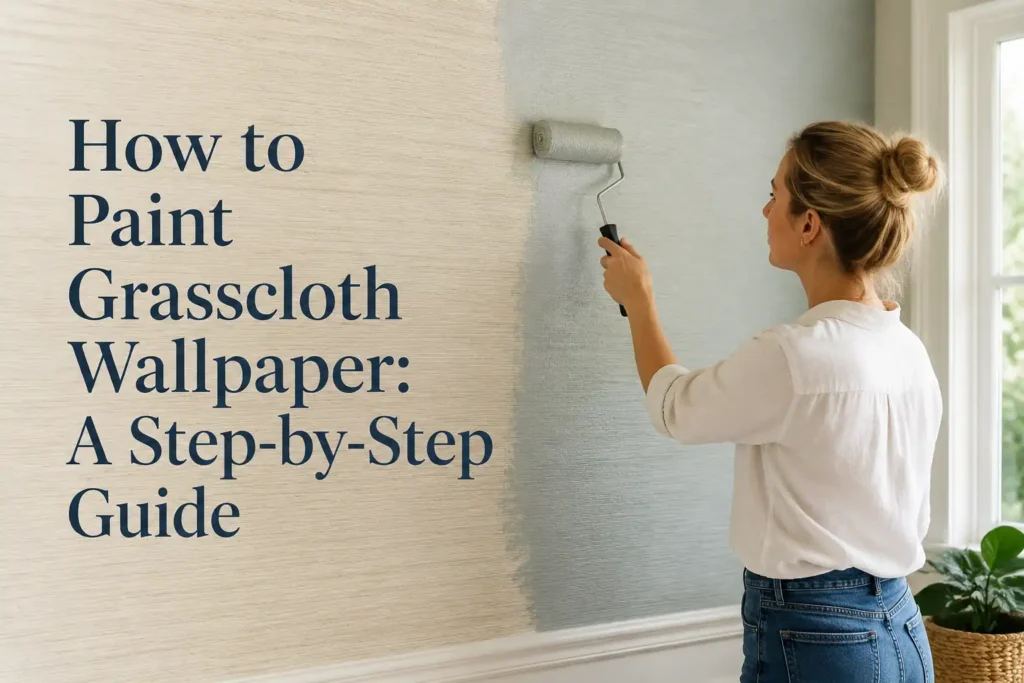
Because grasscloth is made from natural fibers, it absorbs paint differently than standard wallpaper. Proper preparation, priming, and painting techniques are essential for achieving a smooth, durable finish. This guide walks you through everything you need to know, from selecting materials to maintaining your newly painted walls.
Items to Buy
- Stain-blocking primer
- Acrylic latex paint
- Interior wall paint
- Paint roller
- High-nap roller cover
- Angled paintbrush
- Paint tray
- Painter’s tape
- Drop cloth
- Vacuum cleaner
- Microfiber cloth
- Mild detergent
- Sponge
- Joint compound
- Putty knife
- Fine-grit sandpaper
- Ladder
- Safety glasses
- Dust mask
What Is Grasscloth Wallpaper?
Grasscloth wallpaper is a wall covering made from natural fibers such as jute, hemp, sisal, bamboo, or seagrass that are woven together and attached to a paper backing. It is known for its rich texture, organic appearance, and ability to add warmth and character to a room.
Unlike traditional wallpaper, grasscloth often features visible seams, natural color variations, and irregular textures. These characteristics are considered part of its charm, but they can also create unique challenges when painting.
Understanding the material helps you set realistic expectations for the finished result. While paint can transform the color, some of the natural texture and seam patterns will likely remain visible.
Can You Paint Grasscloth Wallpaper?
Yes, grasscloth wallpaper can usually be painted successfully if it is securely attached to the wall and in good condition. Many homeowners choose painting over removal because removing grasscloth can be time-consuming and may damage the drywall underneath.
Painting is often an excellent solution when the wallpaper is structurally sound but outdated, stained, or no longer matches the room’s décor. A quality primer and paint system can provide a fresh appearance while maintaining the wallpaper’s distinctive texture.
However, if the wallpaper is peeling, heavily damaged, or affected by moisture issues, repairs may be necessary before painting begins.
Benefits of Painting Grasscloth Wallpaper
Painting grasscloth wallpaper offers several advantages. The most obvious benefit is cost savings. Replacing wallpaper can be expensive and labor-intensive, while painting allows you to update the room without a full renovation.
Paint can also help unify color variations that naturally occur in grasscloth. Some homeowners prefer a more consistent appearance while still enjoying the textured look of the wall covering.
Additionally, painted grasscloth can work with a wider range of interior design styles. Whether you prefer modern, traditional, coastal, or farmhouse décor, a fresh coat of paint can help the walls complement your overall design vision.
Choosing the Right Paint and Primer
Selecting the proper products is one of the most important steps in the process. A high-quality stain-blocking primer is typically recommended because natural fibers can contain tannins and other substances that may bleed through paint.
For the finish coat, acrylic latex paint is often the best choice. It offers excellent adhesion, durability, and ease of application. Most homeowners choose eggshell, satin, or matte finishes depending on the room and desired appearance.
The textured nature of grasscloth generally benefits from paints that provide good coverage without excessive sheen, as highly glossy finishes may emphasize imperfections.
Preparing Grasscloth Wallpaper for Painting
Preparation is critical when painting any textured wall covering. Begin by inspecting the wallpaper carefully to ensure it is firmly attached to the wall.
Look for loose edges, bubbling sections, stains, or damaged areas. Small imperfections can often be repaired before painting. Cleaning the surface is equally important because dust and dirt can interfere with primer adhesion.
Taking time to prepare the wallpaper properly helps ensure a more professional and long-lasting finish.
How to Paint Grasscloth Wallpaper Step by Step Guide
Step 1: Inspect the Wallpaper
Examine the entire wall for loose seams, peeling edges, bubbles, or damaged sections.
Painting over existing problems often makes them more noticeable, so it’s important to address any issues before moving forward.
Step 2: Make Necessary Repairs
Secure loose seams using an appropriate wallpaper adhesive if needed.
Fill minor dents or imperfections carefully and smooth any repaired areas. Allow all repairs to dry completely before continuing.
Step 3: Clean the Surface
Dust the wallpaper thoroughly using a vacuum with a brush attachment or a microfiber cloth.
For dirt or grime, lightly wipe the surface with a damp sponge and mild detergent solution. Avoid oversaturating the wallpaper because excessive moisture can damage the adhesive.
Allow the walls to dry completely.
Step 4: Protect the Room
Cover floors, furniture, trim, and fixtures with drop cloths and painter’s tape.
Protecting surrounding surfaces makes cleanup easier and helps achieve crisp, professional-looking paint lines.
Step 5: Apply a Stain-Blocking Primer
Use a roller designed for textured surfaces to apply a coat of stain-blocking primer.
Work the primer into the texture without applying excessive pressure. Use a brush to reach corners, edges, and detailed areas.
Allow the primer to dry fully according to the manufacturer’s instructions.
Step 6: Inspect After Priming
Once the primer dries, inspect the walls carefully.
Look for stains that may still be visible or areas where the texture absorbed primer unevenly. Spot-prime these areas if necessary before applying paint.
Step 7: Apply the First Coat of Paint
Use a high-nap roller to apply the first coat of paint evenly across the surface.
Work in manageable sections and maintain a wet edge to reduce lap marks. Use a brush to cut in around trim, ceilings, and corners.
Allow the paint to dry completely.
Step 8: Apply a Second Coat
Most grasscloth wallpaper projects require at least two coats of paint.
Apply the second coat using the same technique as the first. This coat helps create consistent color and coverage while preserving the wallpaper’s texture.
Step 9: Perform Final Touch-Ups
Inspect the walls under good lighting once the paint has dried.
Touch up any thin areas, missed spots, or visible inconsistencies using a brush or small roller.
Allow the paint to cure fully before placing furniture back against the walls.
Common Mistakes to Avoid
One common mistake is skipping the primer. Natural fibers can absorb paint unevenly and may allow stains or discoloration to bleed through without proper sealing.
Another issue is using a roller with too little nap. Smooth-wall rollers often fail to reach the deeper textures of grasscloth, resulting in uneven coverage.
Applying paint too heavily can also reduce the texture that makes grasscloth unique. Multiple moderate coats generally provide better results than one heavy application.
Will Painting Affect the Texture?
Many homeowners worry that painting will completely eliminate the texture of grasscloth wallpaper. In most cases, the texture remains visible after painting, especially when using standard interior wall paints.
However, each coat of paint softens the texture slightly. While the finished surface may not look exactly like unpainted grasscloth, it typically retains enough character to preserve its distinctive appearance.
The amount of texture that remains depends on the thickness of the paint, the number of coats applied, and the original grasscloth material.
How to Maintain Painted Grasscloth Wallpaper
Once painted, grasscloth wallpaper becomes easier to maintain than its original unpainted form.
Dust walls periodically using a microfiber cloth or vacuum brush attachment. For minor marks, use a damp cloth and gentle cleaning solution when appropriate for the paint finish.
Avoid abrasive scrubbing, which can damage both the paint and the underlying wallpaper texture. Maintaining proper indoor humidity levels can also help preserve the integrity of the wallpaper and paint over time.
FAQs
Can you paint directly over grasscloth wallpaper?
Yes, provided the wallpaper is firmly attached and properly prepared. Using a quality primer first is strongly recommended for the best results.
Do I need to remove grasscloth wallpaper before painting?
Not necessarily. If the wallpaper is in good condition, painting can be a practical alternative to removal.
What primer should I use on grasscloth wallpaper?
A stain-blocking primer is usually the best choice because it helps prevent natural fibers from bleeding through the paint.
How many coats of paint are needed?
Most projects require two coats of paint after priming, though some colors may require additional coverage.
Will the seams still show after painting?
In many cases, yes. Grasscloth seams are part of the material’s natural appearance and may remain visible even after painting.
What type of paint works best?
High-quality acrylic latex paint is generally recommended because it provides good adhesion, coverage, and durability.
Final Words
Learning how to paint grasscloth wallpaper is an excellent way to modernize a room without the mess and expense of removing existing wall coverings. With proper cleaning, repairs, priming, and painting techniques, you can transform outdated grasscloth into a fresh, stylish backdrop while preserving much of its unique texture.
The key to success is patience and preparation. By using the right products and applying multiple even coats, you can achieve a durable, professional-looking finish that enhances your space and extends the life of your grasscloth wallpaper for years to come.