
How to paint MDF flooring is a common question among homeowners and DIY enthusiasts looking for an affordable way to refresh worn or outdated floors. Medium-Density Fiberboard (MDF) is smooth, durable, and easy to work with, but it requires proper preparation before painting because it absorbs moisture more readily than solid wood.
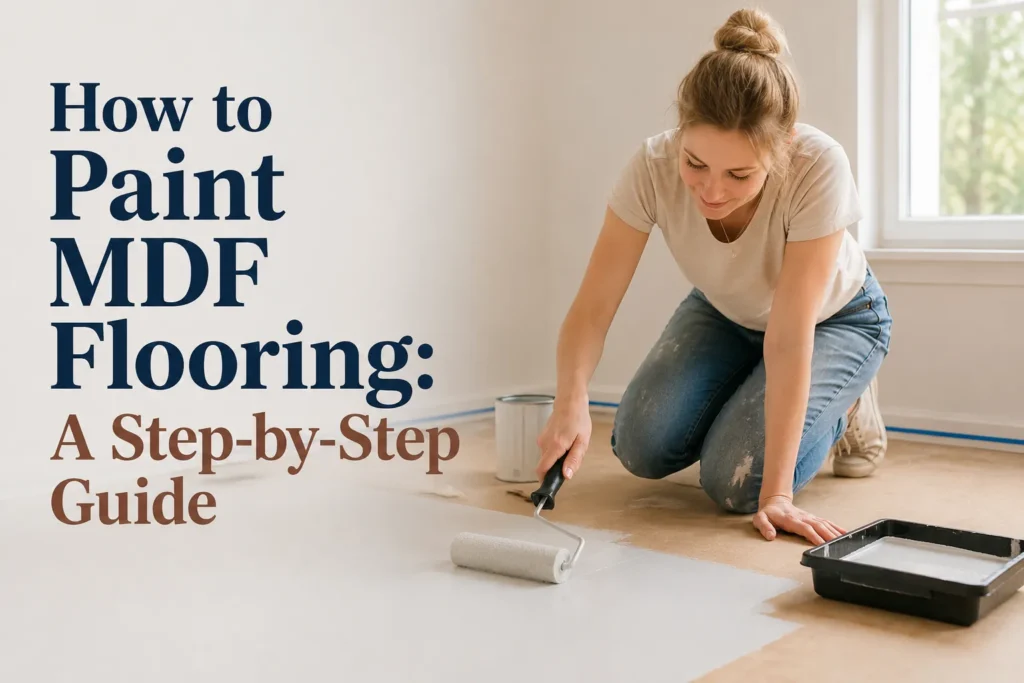
With the right primer, paint, and sealing techniques, painted MDF flooring can achieve an attractive finish that enhances the appearance of a room while protecting the surface from everyday wear. This guide covers everything you need to know, from preparation and materials to painting and maintenance.
Items to Buy
- MDF primer
- Floor paint
- Acrylic latex paint
- Polyurethane floor sealer
- Fine-grit sandpaper
- Medium-grit sandpaper
- Tack cloth
- Microfiber cloth
- Mild detergent
- Paint roller
- Paint tray
- Paintbrush
- Painter’s tape
- Wood filler
- Putty knife
- Vacuum cleaner
- Drop cloth
- Safety goggles
- Dust mask
Understanding MDF Flooring
MDF flooring is made from compressed wood fibers bonded with resin and wax under heat and pressure. It provides a smooth surface that accepts paint well when properly prepared.
Unlike hardwood, MDF is highly absorbent, especially around cut edges and seams. This makes priming one of the most important steps in the painting process. Without proper sealing, paint can soak into the material unevenly and create an inconsistent finish.
Many homeowners choose to paint MDF flooring when renovating a room on a budget. A quality paint job can dramatically improve the appearance of the floor without the expense of replacing it.
Benefits of Painting MDF Flooring
Painting MDF flooring can completely transform a room’s appearance while extending the life of the material. A fresh coat of paint can cover scratches, stains, and discoloration, making the floor look newer and cleaner.
Painted MDF floors also offer design flexibility. You can choose solid colors, patterns, stenciled designs, or even faux wood finishes to match your décor. This customization allows homeowners to create a unique look without investing in expensive flooring materials.
Another advantage is ease of maintenance. Properly painted and sealed MDF flooring can be cleaned more easily than unfinished MDF, helping maintain its appearance over time.
Choosing the Best Paint for MDF Flooring
Selecting the right paint is critical for durability. Floor-specific paints are designed to withstand foot traffic, scuffs, and cleaning better than standard wall paints.
Acrylic latex floor paint is a popular choice because it provides strong adhesion, good durability, and relatively easy application. For high-traffic areas, consider premium floor coatings designed specifically for wood and engineered flooring surfaces.
Always pair the paint with a high-quality primer designed for MDF. This ensures proper adhesion and helps prevent uneven absorption.
Preparing MDF Flooring for Paint
Preparation is the foundation of a successful paint job. Start by removing furniture, rugs, and other items from the room.
Clean the floor thoroughly using a mild detergent and water solution. Dirt, grease, and dust can interfere with paint adhesion and affect the final appearance.
Inspect the flooring for damage. Fill dents, cracks, nail holes, and seams with wood filler. Once dry, sand the repaired areas smooth so they blend seamlessly with the surrounding surface.
After sanding, vacuum thoroughly and wipe the floor with a tack cloth to remove all dust particles before priming.
How to Paint MDF Flooring Step by Step Guide
Step 1: Clear and Clean the Room
Remove all furniture and decorative items from the space.
Sweep, vacuum, and wash the floor thoroughly to eliminate dust, dirt, grease, and debris that could affect paint adhesion.
Step 2: Repair Damaged Areas
Inspect the MDF flooring carefully for dents, scratches, seams, or damaged spots.
Apply wood filler where necessary and allow it to dry completely. Sand the repaired areas smooth to create a level surface.
Step 3: Sand the Entire Floor
Use medium-grit sandpaper followed by fine-grit sandpaper to lightly scuff the MDF surface.
The goal is not to remove material but to create a slightly rough texture that allows the primer to bond more effectively.
Step 4: Remove Dust Completely
Vacuum the entire floor thoroughly.
Follow up with a tack cloth or microfiber cloth to remove any remaining dust particles. Even small amounts of dust can affect the final finish.
Step 5: Apply MDF Primer
Use a roller for large areas and a brush for corners and edges.
Apply a thin, even coat of MDF primer across the entire floor. Pay special attention to seams and exposed edges, as these areas absorb moisture most readily.
Allow the primer to dry according to the manufacturer’s instructions.
Step 6: Lightly Sand the Primer
Once the primer is dry, lightly sand the surface using fine-grit sandpaper.
This helps smooth out any raised fibers and creates an ideal base for the paint.
Remove all sanding dust before proceeding.
Step 7: Apply the First Coat of Paint
Using a paint roller, apply the first thin coat of floor paint.
Work in small sections and maintain a wet edge to minimize roller marks and achieve a smooth finish.
Allow the paint to dry completely before applying additional coats.
Step 8: Apply Additional Coats
Most MDF flooring projects require two to three coats of paint for full coverage and durability.
Apply each coat evenly and allow adequate drying time between coats. Thin coats generally provide better results than thick applications.
Step 9: Apply a Protective Sealer
After the final paint coat has cured, apply a polyurethane floor sealer.
This protective layer helps resist scratches, moisture, and everyday wear while extending the life of the painted floor.
Follow the manufacturer’s recommendations for drying and curing times.
Common Mistakes to Avoid
One of the most common mistakes is skipping the primer. MDF absorbs paint quickly, and unprimed surfaces often result in uneven color and poor durability.
Another mistake is applying thick coats of paint. Heavy layers can take longer to cure and may chip more easily over time. Multiple thin coats create a stronger and more attractive finish.
Many DIYers also rush the curing process. Walking on the floor too soon can leave marks and compromise the durability of the finish.
How to Maintain Painted MDF Flooring
Proper maintenance can significantly extend the lifespan of painted MDF flooring.
Sweep or vacuum regularly to remove dirt and debris that may scratch the surface. Use a damp microfiber mop for cleaning, but avoid excessive water because moisture can damage MDF.
Place felt pads under furniture legs to reduce scratches and dents. Area rugs in high-traffic zones can also help preserve the finish.
Inspect the floor periodically for signs of wear. Touching up small chips or scratches early can prevent larger issues from developing.
Design Ideas for Painted MDF Floors
Painted MDF flooring offers plenty of creative opportunities. Solid neutral colors such as gray, white, and beige create a clean, modern appearance.
For a more decorative look, consider geometric patterns, checkerboard designs, faux tile effects, or stenciled borders. These techniques can add character and visual interest without the cost of installing specialty flooring.
Many homeowners also use painted MDF floors to mimic more expensive materials such as hardwood planks or stone tiles.
FAQs
Can MDF flooring be painted?
Yes. MDF flooring can be painted successfully when it is properly cleaned, sanded, primed, and sealed.
What type of paint works best on MDF flooring?
Acrylic latex floor paint or other paints specifically designed for floors generally provide the best durability and performance.
Do I need to prime MDF before painting?
Yes. Primer is essential because MDF absorbs moisture and paint unevenly without a proper sealing layer.
How many coats of paint should I apply?
Most projects require two to three thin coats for even coverage and long-lasting results.
Should I seal painted MDF flooring?
Yes. A polyurethane floor sealer helps protect against scratches, moisture, and everyday wear.
How long should painted MDF flooring cure?
Drying times vary by product, but many floor finishes require several days of curing before heavy use. Always follow the manufacturer’s recommendations.
Final Words
Learning how to paint MDF flooring is an excellent way to refresh a room without replacing the existing floor. With careful preparation, proper priming, quality floor paint, and a durable protective sealer, MDF flooring can achieve an attractive finish that lasts for years.
Take your time with each step, especially sanding, priming, and curing. A well-prepared surface and multiple thin coats of paint will provide the best results. Whether you prefer a simple solid color or a decorative pattern, painted MDF flooring offers a budget-friendly way to transform your space and express your personal style.