
How to paint metal garage doors is a useful DIY project when you want to refresh your home’s exterior without replacing the entire door. Over time, metal garage doors can fade, develop scratches, or show small areas of rust that make the exterior look worn.
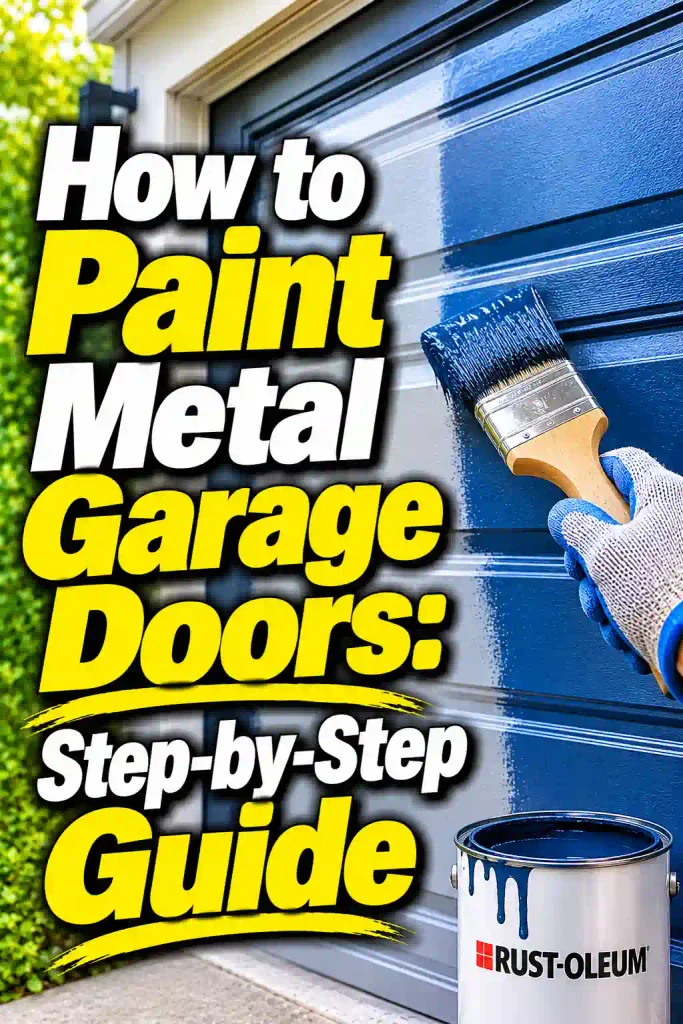
With proper cleaning, suitable metal primer, and durable exterior paint, you can give a steel or aluminum garage door a fresh appearance. The key is choosing products compatible with the existing finish and preparing the surface carefully.
Affiliate disclosure: As an Amazon Associate I earn from qualifying purchases.
What to Buy for Painting Metal Garage Doors
Gather your supplies before starting. The exact products depend on whether your garage door is steel, galvanized steel, or aluminum.
- Exterior acrylic latex paint – A suitable option for many properly prepared, previously painted metal garage doors.
- Galvanized metal primer – Helps protect exposed galvanized steel and prepare it for painting.
- Aluminum-compatible primer – For bare aluminum surfaces when the coating system requires it.
- Rust-inhibiting metal primer – Helps protect properly prepared steel where rust has been removed.
- Exterior metal paint – Choose a product approved for your door’s material and outdoor exposure.
- Metal paintbrush set – Useful for recessed panels, edges, and corners.
- Small paint roller kit – Helps cover broad, flat sections.
- Fine-grit sandpaper – For permitted surface preparation and smoothing.
- Wire brush – For removing loose rust from suitable steel surfaces.
- Exterior surface cleaner – Removes dirt and grime before painting.
- Painter’s tape – Protects windows, handles, and surrounding trim.
- Canvas drop cloths – Protect the driveway and nearby surfaces.
- Safety glasses and protective gloves – Provide basic protection during preparation and painting.
Check the garage door manufacturer’s instructions before buying paint. Some factory finishes have specific repainting requirements, and painting may affect the original finish warranty.
Can You Paint Metal Garage Doors?
Yes, most metal garage doors can be repainted if their condition and existing finish are suitable. Steel and aluminum doors are common candidates, but they do not always require the same primer.
Steel garage doors: Steel doors can often be repainted with a compatible exterior coating. Exposed steel and damaged areas need appropriate corrosion protection before the finish paint is applied.
Galvanized steel garage doors: Galvanized steel has a protective zinc coating. Use preparation methods and primers specifically approved for galvanized metal. Aggressive sanding can damage the protective layer.
Aluminum garage doors: Aluminum does not rust like ordinary steel, but it can oxidize. Choose a coating system approved for aluminum and prepare the surface according to its instructions.
Before painting, identify your door model and check the manufacturer’s guidance. Some factory-applied finishes have special cleaning requirements, and dark colors can increase heat absorption and contribute to thermal movement or bowing in certain insulated doors.
What Is the Best Paint for Metal Garage Doors?
The best paint depends on the metal, existing coating, and weather exposure. Look for a durable exterior product that specifically allows application to your garage door’s surface.
100% Acrylic Exterior Paint
High-quality 100% acrylic exterior latex paint is suitable for many properly prepared, previously painted steel garage doors. It offers good weather resistance and is available in many colors.
However, confirm that the paint is approved for the existing factory finish. Do not assume that every exterior wall paint is suitable for metal.
Direct-to-Metal Paint
Direct-to-metal (DTM) coatings are designed for application to certain prepared metal surfaces. Depending on the product, they may be suitable for steel or aluminum.
Some DTM products can be applied without a separate primer, while others require specific surface preparation or priming. Follow the technical instructions carefully.
Galvanized Metal Primer
If bare galvanized steel is exposed, use a primer specifically designed for galvanized metal. Ordinary primers may not provide reliable adhesion to the zinc-coated surface.
Choose a primer compatible with your intended topcoat.
Rust-Inhibiting Primer
If your steel garage door has small rusted areas, remove loose corrosion using an appropriate method and apply a compatible rust-inhibiting primer.
Do not simply paint over active rust. Extensive corrosion, perforation, or damaged panels may require professional repair or replacement.
How to Choose the Right Color for Metal Garage Doors
Your garage door can occupy a large part of your home’s exterior, so choosing the right color can make a noticeable difference.
Consider these popular options:
- White: A classic shade that creates a bright, clean appearance.
- Light gray: Works well with contemporary homes and neutral exterior finishes.
- Charcoal gray: Creates a modern look with lighter siding and trim.
- Black: Adds a dramatic contrast, but check the manufacturer’s restrictions on dark colors.
- Cream: Provides a warm appearance that complements traditional homes.
- Beige: Blends naturally with stone, brick, and earth-toned exteriors.
- Navy blue: Adds character while maintaining a sophisticated appearance.
- Sage green: Creates a softer natural look that works well with landscaping.
Test your chosen color on a small area before painting the entire door. Check the appearance in different lighting conditions.
For insulated garage doors, ask the manufacturer whether the selected color is permitted. Dark finishes can increase surface temperatures and contribute to thermal bowing on some door designs.
How to Paint Metal Garage Doors: Step-by-Step Guide
Painting metal garage doors requires careful preparation, especially when the existing finish is scratched, chalky, or rusted. Follow these steps while giving priority to your garage door manufacturer’s instructions and the paint product’s technical information.
Step 1: Identify the Metal and Existing Finish
First, determine whether your garage door is steel, galvanized steel, or aluminum.
Check the product label, installation documents, or manufacturer’s website. Also identify whether the door has a factory-applied coating or has been painted previously.
This information helps you select compatible cleaning products, primer, and exterior paint. A coating suitable for bare steel may not be appropriate for aluminum or an intact factory finish.
Step 2: Check the Manufacturer’s Instructions
Read the garage door manual and warranty information before beginning.
Some manufacturers permit repainting with specific exterior coatings, while others have restrictions on colors, surface preparation, or application methods.
Check whether repainting affects the finish warranty. If you cannot find clear instructions, contact the manufacturer or an authorized dealer before proceeding.
Step 3: Inspect the Entire Garage Door
Examine the door for peeling paint, scratches, dents, rust, corrosion, and damaged panels.
Pay attention to the lower sections because water and dirt can collect near the bottom. Check the panel joints and edges for deterioration.
Small cosmetic defects may be manageable, but severely rusted or damaged sections should be professionally assessed. Paint will not repair structural problems.
Step 4: Disconnect the Automatic Opener
Before working around the garage door, disable the automatic opener according to its instructions. If the manufacturer recommends disconnecting power, follow that procedure.
Do not remove springs, cables, rollers, or other tensioned hardware. Garage door spring systems can be dangerous and should be handled by trained professionals.
If the door needs to be moved manually to reach certain areas, follow the manufacturer’s safe operating instructions. Never work beneath an unsupported door.
Step 5: Protect the Surrounding Area
Move vehicles, outdoor furniture, and other belongings away from the work area.
Cover the driveway with drop cloths and protect nearby walls, siding, windows, and landscaping.
Use painter’s tape or suitable masking materials around:
- Garage door windows.
- Handles and locks.
- Decorative trim.
- Light fixtures.
- Weatherstripping.
- Electrical sensors and wiring.
Keep paint away from tracks, rollers, hinges, springs, and moving connections.
Step 6: Clean the Metal Garage Door
Remove loose dust, cobwebs, and dirt using a soft brush or cloth.
Wash the door with a suitable mild detergent or manufacturer-approved exterior cleaner. Pay attention to recessed panels, corners, and areas around handles.
If the door has a factory-applied wax or protective residue, follow the manufacturer’s specific instructions for removing it. Do not use an aggressive solvent without confirming compatibility.
Avoid mixing cleaning chemicals. Never combine bleach with ammonia, acids, or other cleaners.
Step 7: Rinse and Dry Completely
Rinse the door thoroughly with clean water to remove detergent and loosened dirt.
Use a gentle water flow rather than an aggressive pressure-washer setting that could damage the finish or force water into joints.
Allow the door to dry completely. Pay particular attention to panel edges, seams, and recessed sections where water may remain.
Painting over moisture or cleaning residue can lead to adhesion problems.
Step 8: Remove Loose Paint and Rust
Inspect the surface again after cleaning.
For confirmed lead-free coatings, carefully remove loose or peeling paint using a suitable scraper. Lightly smooth rough paint edges if the manufacturer permits it.
On steel, remove loose surface rust with an appropriate hand tool or wire brush. Avoid aggressive abrasion that could damage galvanized coatings or thin metal panels.
If the door has older paint that may contain lead, do not scrape or sand it until the appropriate testing and safety precautions have been addressed. Extensive rust or widespread coating failure may require professional preparation.
Step 9: Prepare Exposed Metal
Examine scratches and damaged areas where the original coating has worn through.
For exposed steel or galvanized steel, use the preparation method and primer specified for that substrate. Avoid removing more of the protective zinc coating than necessary.
For exposed aluminum, use an aluminum-compatible preparation and primer system.
If the surface has significant corrosion, deep scratches, or holes, have it assessed before painting. A fresh coat cannot restore weakened metal.
Step 10: Apply the Appropriate Primer
Primer requirements depend on the metal and existing finish.
- Bare galvanized steel: Use a primer specifically approved for galvanized metal.
- Exposed ordinary steel: Use a compatible corrosion-inhibiting metal primer.
- Bare aluminum: Use an aluminum-compatible primer when required.
- Sound factory-painted steel: A separate primer may not be necessary if the manufacturer and paint instructions permit direct repainting after preparation.
Apply primer only where required by the approved coating system. Keep the coat even and avoid heavy buildup around joints and panel edges.
Allow it to dry according to the product instructions before applying the finish paint.
Step 11: Test Paint Adhesion
If the door has a factory-applied finish or you are unsure whether the new coating is compatible, perform a small test in an inconspicuous area.
Apply the proposed coating following the product instructions and allow it to dry for the specified period. Check for blistering, wrinkling, peeling, or poor adhesion.
A small test cannot guarantee long-term performance, but it can help reveal an immediate compatibility problem. If the coating fails, stop and consult the manufacturer or a qualified painter.
Step 12: Choose Suitable Weather Conditions
Check the paint label for the permitted temperature and humidity range.
Avoid painting when:
- The metal surface is wet or damp.
- Rain is expected before the coating becomes rain-resistant.
- Heavy dew is likely.
- Strong winds could carry dust onto the wet finish.
- The metal is excessively hot from direct sunlight.
- Temperatures are outside the product’s application range.
A dry day with moderate temperatures is generally easier to work in. Follow the specific coating instructions rather than relying on a universal temperature recommendation.
Step 13: Paint the Recessed Panels First
Stir the paint thoroughly and use a suitable angled brush to reach recessed sections and corners.
Start near the top of the door and work downward. Apply smooth, even strokes and avoid leaving thick paint around panel edges.
A brush is especially useful for decorative grooves and detailed sections that a roller may not cover evenly.
Step 14: Paint the Flat Sections
Use a suitable small or medium roller to cover broad, flat areas.
Work in manageable sections and maintain a consistent coating thickness. If the door has a textured finish, make sure the paint reaches the surface evenly without filling decorative details.
A compatible sprayer may also be used if the coating manufacturer permits it. Follow all overspray, ventilation, and protective equipment instructions.
Step 15: Allow the First Coat to Dry
Let the first coat dry according to the product’s recommended recoat time.
Drying depends on the paint formulation, temperature, humidity, airflow, and thickness of the applied coating.
Do not apply another coat just because the surface feels dry. Wait until the product is ready for recoating.
Step 16: Apply the Second Coat if Required
Inspect the first coat for thin areas, uneven coverage, and missed sections.
If the paint system requires another coat, apply it evenly using the same technique. Thin, consistent coats generally produce a better finish than one heavy application.
Avoid allowing paint to accumulate around the panel joints or moving sections.
Step 17: Remove Masking and Allow Full Curing
Remove painter’s tape according to its instructions and the coating manufacturer’s recommendations.
Inspect the door for drips, missed spots, and uneven coverage. Allow the paint to cure fully before cleaning or exposing it to unnecessary contact.
Remember that dry-to-touch and fully cured are different stages. Follow the product instructions before returning the door to normal use.
Step 18: Reconnect and Test the Garage Door
Once the finish has cured sufficiently, reconnect the opener according to the manufacturer’s instructions.
Check that the door opens and closes smoothly. Make sure the tracks, rollers, hinges, weatherstripping, and safety sensors are free of paint.
If the door makes unusual noises, moves unevenly, or fails to operate correctly, stop using it and contact a qualified garage door technician.
Common Mistakes to Avoid When Painting Metal Garage Doors
Using the Wrong Primer
Not every metal primer works on steel, galvanized steel, and aluminum. Choose a product approved for the exact surface and compatible with the topcoat.
Painting Over Rust
Loose rust can prevent proper adhesion and allow corrosion to continue underneath the new coating. Prepare affected areas and apply suitable corrosion protection.
Skipping Surface Cleaning
Dirt, grease, chalk, and factory residue can cause peeling. Clean and rinse the door thoroughly before painting.
Ignoring Dark-Color Restrictions
Dark finishes can absorb more heat. On some insulated garage doors, this may contribute to thermal bowing. Check the manufacturer’s color guidance before choosing a dark shade.
Painting Between Panel Joints
Paint buildup between moving sections can cause sticking or interfere with the door’s movement. Keep joints and moving connections free of paint.
Applying Thick Coats
Heavy paint layers can drip, sag, and dry unevenly. Apply thin coats and follow the recommended coverage instructions.
Ignoring the Warranty
Painting may affect the original factory-finish warranty. Read the manufacturer’s requirements before starting.
How to Maintain Painted Metal Garage Doors
Regular maintenance can help preserve the finish and make future touch-ups easier.
- Clean the door periodically using a mild, compatible cleaner.
- Avoid abrasive brushes and harsh chemicals.
- Inspect the surface for scratches and peeling.
- Repair exposed steel promptly using the approved primer and paint.
- Keep the bottom edge free of accumulated dirt and moisture.
- Check weatherstripping for wear.
- Keep tracks and moving hardware free of paint and debris.
- Follow the paint manufacturer’s cleaning and maintenance instructions.
If rust returns or paint begins peeling in large areas, investigate the cause before applying another coat. Poor preparation, trapped moisture, incompatible products, and damaged factory finishes can all contribute to coating failure.
Frequently Asked Questions
Can you paint a metal garage door without primer?
Sometimes. A sound, previously painted surface may not require a separate primer if the selected paint system permits direct application. Exposed steel, galvanized steel, and aluminum may require different primers. Follow the manufacturer’s instructions.
What is the best paint for metal garage doors?
High-quality exterior acrylic latex paint is suitable for many properly prepared, previously painted steel garage doors. Other metal coatings may be appropriate depending on the substrate. Always check compatibility with the existing finish.
Can you paint a metal garage door with a roller?
Yes. A suitable roller works well on broad, flat sections. Use a brush for recessed panels, corners, and detailed areas. A compatible sprayer is another option when the product allows it.
Should you sand a metal garage door before painting?
Light sanding may be appropriate for certain rough or glossy surfaces, but aggressive sanding can damage factory finishes and galvanized coatings. Follow the door manufacturer’s preparation instructions. Check for lead before disturbing older paint.
Can you paint a rusty metal garage door?
You can repaint a door with limited surface rust if the affected areas are properly prepared and primed. Extensive corrosion, holes, or weakened panels should be assessed by a professional before painting.
How many coats of paint does a metal garage door need?
The number depends on the coating system, surface condition, and existing color. Many projects require one or two finish coats, with primer where necessary. Follow the product’s recommended coverage and coat count.
Can you paint a metal garage door black?
Some metal garage doors can be painted black, but check the manufacturer’s guidance first. Dark colors can increase heat absorption and may contribute to thermal bowing in certain insulated steel doors.
How long does paint take to dry on a metal garage door?
Drying time varies by product and weather conditions. Follow the paint label for touch-dry, recoat, and full-curing times. Do not assume that a dry surface is ready for normal use.
Is it better to paint or replace a metal garage door?
Painting is often a practical choice when the door is structurally sound and mainly needs a cosmetic refresh. Replacement may be better if the door has extensive corrosion, damaged panels, or mechanical problems.
Final Words
Learning how to paint metal garage doors can help improve your home’s curb appeal without replacing a door that is still in good condition. The most important steps are identifying the metal, checking the manufacturer’s instructions, cleaning thoroughly, and choosing a compatible primer and exterior coating.
Take care when treating rust, protect the moving parts, and avoid painting in unsuitable weather. If the door has extensive corrosion or mechanical damage, seek professional help before beginning.
With the right preparation and suitable products, you can achieve a cleaner, more attractive finish while helping protect the metal surface from everyday weather exposure.
Helpful Resources
- Amarr – Painting Your Garage Doors – Manufacturer guidance on preparing and repainting steel garage doors, including primer, exterior paint, and dark-color considerations.
- Wayne Dalton – Painting a Pre-Finished Steel Garage Door – Guidance on cleaning, preparing, priming exposed metal, and repainting factory-finished steel doors.