
Learning how to paint windows is a great way to refresh your home’s appearance without replacing the existing frames. A fresh coat of paint can brighten a room, update an exterior, and make old window frames look cleaner and more attractive.
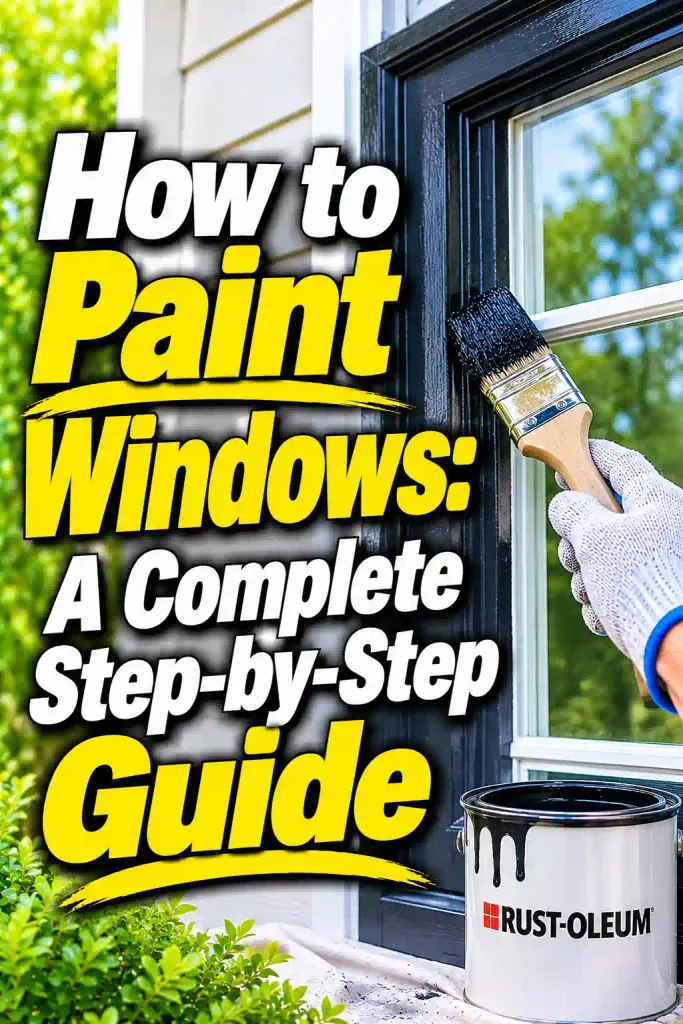
The right method depends on whether your windows are wood, aluminum, steel, or vinyl. With suitable paint, careful preparation, and attention to the glass, seals, and moving parts, you can achieve a neat and durable finish.
Affiliate disclosure: As an Amazon Associate I earn from qualifying purchases.
What to Buy for Painting Windows
Gather your supplies before beginning. Choose products according to your window material and whether you are painting inside or outside.
- Interior or exterior window frame paint – Select a finish designed for the material and location.
- Wood primer – For bare or repaired wood when required.
- Metal primer – For compatible aluminum or steel surfaces.
- Vinyl-compatible paint – Only for vinyl windows whose manufacturer permits painting.
- Angled sash paintbrush – Helps paint narrow edges and detailed corners.
- Small foam paint rollers – Useful for suitable flat sections.
- Painter’s masking tape – Protects glass and surrounding surfaces.
- Window masking film – Helps protect larger glass areas.
- Fine-grit sanding sponge – For permitted surface preparation.
- Paint scraper – Helps remove loose paint from suitable surfaces.
- Wood filler – For minor defects in paintable wood frames.
- Drop cloths – Protect floors and nearby furniture.
- Protective gloves and safety glasses – Basic protection during preparation and painting.
Not every window needs every product. For example, wood primer is not suitable for every metal frame, and ordinary exterior paint should not be applied to vinyl windows without manufacturer approval.
Can You Paint Window Frames?
Yes, many window frames can be painted, but the correct preparation and coating depend on their material.
Wood windows: Wood frames are generally paintable. Bare wood usually needs a compatible primer before the finish coat. Repair damaged areas and make sure the surface is dry.
Aluminum windows: Aluminum frames can often be painted with a suitable metal coating. Cleaning, removing oxidation, and selecting the correct primer are important.
Steel windows: Steel frames need a coating system designed for metal. Any rust must be addressed before painting.
Vinyl windows: Vinyl requires special care. Some manufacturers prohibit painting, while others allow specific coatings and colors. Dark paint can increase heat absorption and potentially cause distortion. Check the warranty and manufacturer’s instructions first.
Fiberglass windows: Some fiberglass frames can be painted using compatible coatings, but manufacturer guidance is important, especially for factory-finished surfaces.
Avoid painting weatherstripping, drainage openings, hardware, sliding contact surfaces, and other functional components.
What Is the Best Paint for Windows?
The best paint depends on the window material, location, and existing finish.
Acrylic Latex Paint
Water-based acrylic paint is a common option for many wood window frames and approved exterior trim surfaces. It is relatively easy to apply and clean up, and quality exterior formulations are designed to withstand outdoor conditions.
Choose an interior-rated product for indoor frames and an exterior-rated product for outdoor exposure.
Exterior Trim Paint
Exterior trim paint is designed for surfaces exposed to sunlight, rain, and changing temperatures. It is a practical choice for suitable exterior wood and metal frames when the coating system allows it.
Look for a durable finish that is compatible with the primer and substrate.
Metal Paint
Aluminum and steel frames need products specifically designed for the relevant metal. Some coatings require a dedicated metal primer, while others are approved for direct application after preparation.
For aluminum, do not assume that a general-purpose metal paint will adhere properly to every factory finish.
Vinyl-Compatible Paint
Vinyl window frames should only be painted when the manufacturer permits it. Use the specific coating system and color restrictions recommended for the window model.
Do not use ordinary wall paint or general-purpose spray paint as a substitute for an approved vinyl coating.
How to Choose the Right Window Paint Color
The color of your window frames can change the overall appearance of a room or exterior.
Consider these popular options:
- White: A classic choice that makes rooms feel bright and works with most wall colors.
- Black: Creates a strong, modern contrast, but check material and heat-related restrictions before using it outdoors.
- Light gray: Provides a subtle contemporary appearance.
- Cream: Adds warmth and works well with traditional interiors.
- Charcoal: Creates a dramatic frame around large windows.
- Sage green: Adds a soft natural accent.
- Navy blue: Works well as a distinctive exterior or interior feature.
- Warm beige: Complements natural wood, stone, and neutral walls.
Before painting all your windows, test a small area with the intended coating. Look at the color under different lighting conditions and make sure the finish suits the surrounding surfaces.
How to Paint Windows: Step-by-Step Guide
Follow these steps for a neat finish. Adjust the preparation, primer, and paint according to the window material and manufacturer’s instructions.
Step 1: Identify the Window Material
Start by determining whether your window frames are wood, aluminum, steel, vinyl, or fiberglass.
This matters because each material has different coating requirements. A primer that works well on wood may not be suitable for aluminum or vinyl.
If you have modern factory-finished windows, check the manufacturer’s maintenance documentation before making changes. Painting can affect warranties and may interfere with the window’s operation.
Step 2: Inspect the Window Frames
Examine the frames for peeling paint, cracks, corrosion, loose glazing putty, moisture damage, and mildew.
Pay particular attention to the lower corners and sills because these areas can collect water.
Repair underlying problems before painting. Rotting wood, leaking joints, and damaged seals should not simply be covered with a fresh coat of paint.
Step 3: Check for Lead-Based Paint
If your home is older, determine whether existing paint may contain lead before scraping or sanding.
Older window frames and sills deserve particular caution because layers of paint may have accumulated over many years. Disturbing them can release hazardous dust.
In the United States, homes built before 1978 require particular attention. Use an appropriate lead test or qualified professional, and follow local lead-safe renovation requirements. Do not dry-sand or aggressively scrape suspected lead paint.
Step 4: Remove Curtains, Blinds, and Hardware
Remove curtains, blinds, and other items that could get in the way.
If practical, remove handles, locks, and removable hardware. Keep screws and small pieces together so you can reinstall them easily.
Do not dismantle complicated window mechanisms unless you understand how to reinstall them safely.
Step 5: Clean the Frames
Remove dust, cobwebs, grease, and other surface dirt.
Use a suitable cleaner for the window material. A mild cleaning solution is often appropriate for ordinary dirt, but follow the manufacturer’s recommendations for factory-finished frames.
If mildew is present, use a cleaner designed for the surface and follow its instructions. Never mix bleach with ammonia, acids, or other cleaning chemicals.
Rinse if required and allow the frames to dry completely.
Step 6: Remove Loose Paint
For confirmed lead-free surfaces, carefully remove loose, flaking paint using a suitable scraper.
Do not strip sound paint unnecessarily. The goal is to create a stable surface for the new coating.
If the paint may contain lead, stop and follow lead-safe procedures rather than scraping or sanding it yourself.
Step 7: Sand Where Appropriate
For paintable wood and other compatible surfaces, light sanding can smooth rough areas and help prepare the finish.
Use the abrasive recommended by the paint manufacturer. Avoid excessive pressure, especially on thin metal frames and delicate details.
Do not sand vinyl windows unless the manufacturer explicitly permits a specific preparation method.
After sanding, remove dust with a suitable vacuum and clean cloth. Allow the frame to become completely dry.
Step 8: Repair Minor Damage
Fill small holes or imperfections using a repair product designed for the material.
For wood frames, an appropriate exterior wood filler may be suitable. For metal, use a compatible metal repair product.
Allow repairs to dry or cure as directed, then smooth them if the product instructions permit sanding.
Replace severely damaged sections rather than trying to hide major defects under paint.
Step 9: Protect the Glass and Surrounding Areas
Cover the window glass with masking film or carefully applied painter’s tape.
Protect nearby walls, flooring, window sills, and trim. Cover curtains and furniture if you are painting indoors.
Make sure the tape follows the frame’s edges neatly. Avoid covering drainage holes, moving joints, weatherstripping, or other functional parts.
Step 10: Apply the Correct Primer
Primer requirements depend on the substrate.
- Wood: Prime bare or repaired wood with a compatible wood primer.
- Aluminum: Use a primer specifically approved for the aluminum surface when required.
- Steel: Use a suitable metal primer and address rust first.
- Vinyl: Use only the primer and coating system permitted by the window manufacturer.
- Fiberglass: Follow the manufacturer’s approved preparation and primer requirements.
Apply a thin, even coat. Allow it to dry according to the product instructions before painting.
Some direct-to-metal or specialty coatings may not require a separate primer. Do not add one unless the coating system calls for it.
Step 11: Paint the Detailed Areas First
Use a small angled brush to paint narrow edges, corners, and decorative details.
Work carefully around the glass and glazing bars. Avoid applying too much paint near joints or moving sections.
For traditional wood windows with multiple small panes, paint the narrow muntins and detailed sections first, then move to the wider frame areas.
Step 12: Paint the Main Window Frame
Once the detailed sections are covered, paint the wider parts of the frame.
Use smooth, controlled strokes. For wood, follow the grain where appropriate. For flat metal frames, apply the coating evenly using the recommended brush, roller, or spray method.
Avoid heavy buildup around corners, joints, and edges.
Step 13: Allow the First Coat to Dry
Follow the paint manufacturer’s drying and recoating instructions.
Drying time depends on the product, temperature, humidity, and airflow. Do not close a window against freshly painted surfaces if they may stick together.
Keep dust and debris away from the finish while it dries.
Step 14: Apply a Second Coat if Needed
Inspect the first coat once it is ready for recoating.
If additional coverage is needed, apply another thin, even coat. Two properly applied coats often create a more consistent finish than one heavy layer, but follow the paint system’s specified coat count.
Pay attention to corners, narrow edges, and areas that may have received less paint.
Step 15: Remove the Masking Carefully
Remove painter’s tape according to its instructions and the paint manufacturer’s recommendations.
Work slowly to avoid pulling up the fresh coating. If paint has reached the glass, wait until the coating is suitable for careful removal and use a glass-safe method.
Do not use a metal blade near coated or delicate glass surfaces unless the glass manufacturer confirms that it is safe.
Step 16: Allow the Paint to Cure and Reassemble
Allow the coating to cure according to the manufacturer’s instructions before reinstalling hardware or using the window normally.
Reinstall handles, locks, and removable components carefully.
Check that the window opens, closes, and locks correctly. Make sure paint has not covered seals, tracks, drainage openings, or sliding surfaces.
How to Paint Different Types of Windows
How to Paint Wooden Windows
Wooden window frames are generally among the easiest to repaint.
Clean the surface, remove loose paint safely, repair damaged areas, and prime exposed wood. Apply a suitable interior or exterior wood coating according to the window’s location.
Make sure the wood is dry before painting. Moisture trapped beneath paint can contribute to peeling and deterioration.
How to Paint Aluminum Windows
Aluminum windows need careful cleaning and a compatible metal coating.
Remove dirt, grease, and oxidation using an approved preparation method. Use an aluminum-compatible primer if required, followed by the recommended finish paint.
Avoid aggressive sanding that could damage the frame or its factory finish.
How to Paint Vinyl Windows
Painting vinyl windows requires manufacturer approval.
Some vinyl frames are not designed to be repainted, and dark coatings can increase heat absorption. This may cause warping or interfere with window operation.
If painting is permitted, use the approved vinyl-compatible products and colors. Keep paint away from weatherstripping, drainage openings, and sliding surfaces.
How to Paint Metal Window Frames
For steel frames, address rust before applying a compatible metal primer and topcoat.
For aluminum frames, use a coating system designed for aluminum rather than assuming all metal products are interchangeable.
In both cases, clean the surface thoroughly and follow the manufacturer’s preparation instructions.
Common Mistakes to Avoid When Painting Windows
Painting Without Checking the Material
Different window materials require different coating systems. Identify the surface before buying paint.
Skipping Cleaning
Dust, grease, and mildew can interfere with adhesion. Clean and dry the frames thoroughly.
Ignoring Old Paint Hazards
Scraping and sanding older paint can create dangerous lead dust. Check for lead where appropriate and follow safe renovation procedures.
Using the Wrong Primer
A wood primer is not automatically suitable for metal or vinyl. Select a compatible product.
Painting Moving Parts
Paint can cause windows to stick or prevent them from operating correctly. Keep tracks, hinges, seals, and sliding contact surfaces free of paint.
Applying Thick Coats
Heavy coats can drip, wrinkle, or dry unevenly. Use thin coats and follow the recommended coverage instructions.
Rushing the Drying Process
A surface that feels dry may not be fully cured. Allow the paint to cure before closing windows against fresh paint or reinstalling components.
Tips for Getting a Smooth Window Paint Finish
- Use a quality angled sash brush for detailed work.
- Stir paint thoroughly before application.
- Work in manageable sections.
- Apply thin, even coats.
- Keep the brush loaded consistently without overloading it.
- Avoid painting in unsuitable temperatures or high humidity.
- Use masking film to protect large glass areas.
- Check corners and edges before the paint dries.
- Follow the manufacturer’s drying and curing instructions.
- Test the window’s movement after the finish has cured.
Frequently Asked Questions
Can you paint windows without removing them?
Yes. Many window frames can be painted while installed. Protect the glass, walls, hardware, and surrounding surfaces carefully. Remove only the components that can be safely detached.
What is the best paint for window frames?
The best paint depends on the material. Quality acrylic trim paint is suitable for many wood frames, while aluminum and steel require compatible metal coatings. Vinyl windows need manufacturer-approved products.
Do I need to prime windows before painting?
Bare wood and exposed metal commonly need an appropriate primer. Sound existing paint may not require full priming if the finish paint permits direct application. Always follow the coating manufacturer’s instructions.
Can you paint window frames black?
Yes, some wood and metal frames can be painted black using suitable coatings. However, dark colors can create additional heat on certain materials, especially vinyl. Check manufacturer restrictions before choosing a dark finish.
Should I paint the glass when painting windows?
No. Protect the glass with masking tape or film. Small amounts of paint on glass can sometimes be removed safely after drying, but prevention is easier and safer.
How many coats of paint should window frames have?
The required number depends on the product, existing color, primer, and surface condition. Many projects use one primer coat where required and one or two finish coats.
Can you paint windows in winter?
It depends on the paint’s approved application temperature and the conditions around the window. Cold surfaces, condensation, and high humidity can interfere with drying and adhesion. Follow the product label.
How long should I wait before closing painted windows?
Wait until the paint has reached the stage recommended by the manufacturer for closing or contacting another painted surface. Some coatings need additional curing time to resist sticking.
Can you paint window frames without sanding?
Sometimes. A clean, sound surface may only require the preparation specified by the coating manufacturer. Other surfaces may need light sanding or another adhesion treatment. Do not sand potentially lead-containing paint without proper precautions.
Final Words
Learning how to paint windows can help refresh your home’s interior or exterior without the expense of replacing every frame. The most important steps are identifying the window material, preparing the surface properly, and selecting a compatible primer and paint.
Take extra care with vinyl and factory-finished windows, protect the glass and hardware, and never paint over moving parts or drainage openings. If older paint may contain lead, use appropriate lead-safe procedures before disturbing it.
With careful preparation, suitable products, and enough drying and curing time, you can give your windows a clean, attractive finish that complements the rest of your home.
Helpful Resources
- Dulux Singapore – How to Paint Window Frames – Practical guidance on cleaning, preparing, priming, and painting wood and metal window frames.
- U.S. Environmental Protection Agency – Addressing Indoor Environmental Concerns During Remodeling – Important safety guidance for checking and managing potential lead-based paint during renovation.