
Learning how to remove paint from asphalt can help restore the appearance of a driveway, parking area, walkway, or other paved surface. Whether you are dealing with a small paint spill, spray paint, or an old coating, choosing the right removal method can help lift the stain without unnecessarily damaging the asphalt.
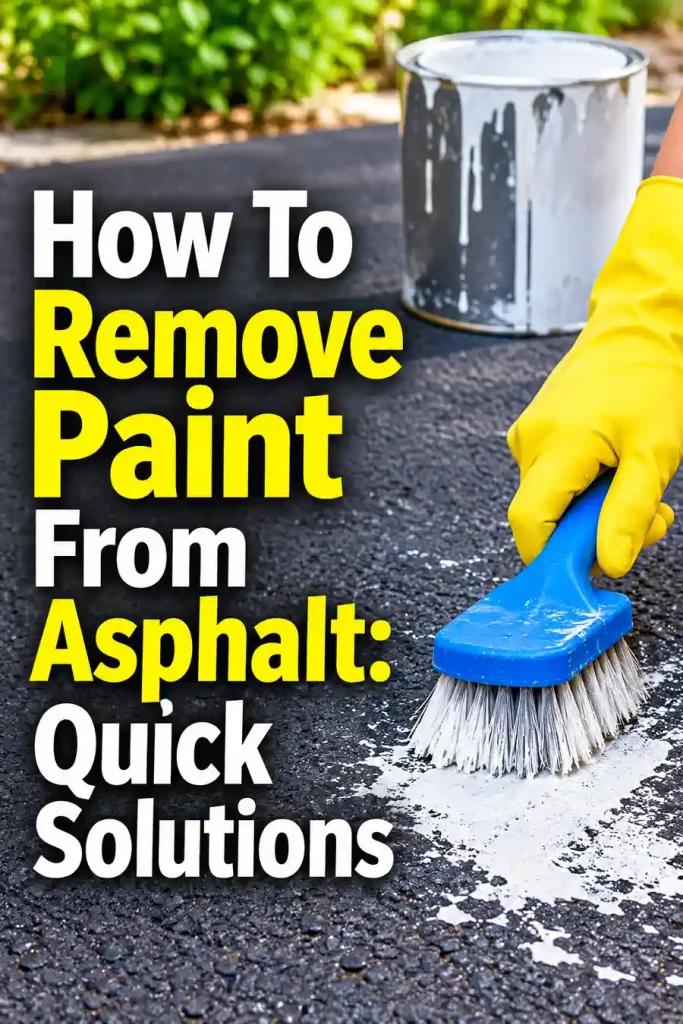
The best approach depends on the paint type, how long it has been on the surface, and whether the asphalt is sealed or unsealed. This guide covers practical removal methods, useful tools, and precautions to help you clean asphalt safely.
Affiliate disclosure: As an Amazon Associate I earn from qualifying purchases.
Items to Buy
- Asphalt-Safe Paint Remover
- Plastic Putty Knife
- Stiff Nylon Scrub Brush
- Heavy-Duty Cleaning Gloves
- Protective Safety Goggles
- Absorbent Cleaning Cloths
- Oil Absorbent Pads
- Garden Hose Spray Nozzle
- Pressure Washer
Can You Remove Paint From Asphalt?
Yes, paint can sometimes be removed from asphalt, especially when the spill is fresh. However, complete removal is not always possible. Asphalt is a porous mixture of aggregates and bitumen, so liquid paint can penetrate small gaps and become difficult to lift after drying.
The type of paint also matters. Fresh water-based paint may respond to water and mild detergent, while dried acrylic, oil-based, or traffic paint can require a specialized product or professional treatment.
Before choosing a method, consider these factors:
- Paint condition: Wet paint is generally easier to remove than cured paint.
- Paint type: Water-based, acrylic, oil-based, and traffic paints respond differently to cleaners.
- Asphalt condition: Old, cracked, sealed, or weathered asphalt may be more vulnerable to damage.
- Stain size: Small spills may be manageable with household tools, while large painted areas may need professional equipment.
Always test a cleaning method in a small, inconspicuous area before treating the entire stain.
How To Remove Paint From Asphalt Step by Step
A careful approach can help remove paint while reducing the risk of damaging the pavement.
Step 1: Identify the Paint and Asphalt Condition
Start by determining what kind of paint has spilled onto the asphalt. If you have the original paint container, check its label for the paint type and recommended cleanup method.
Water-based latex paint, acrylic paint, oil-based paint, and road-marking paint may require different treatments. Do not assume that a cleaner suitable for one type will work on another.
Also inspect the asphalt. Look for cracks, loose aggregate, worn patches, or a sealcoat. A strong solvent may soften bitumen or discolor a sealed surface, so the pavement’s condition should influence your choice.
Step 2: Remove Excess Wet Paint
If the paint is still wet, act as soon as possible. Use a plastic scraper, disposable cardboard, or another blunt tool to lift excess paint from the surface.
Work carefully from the outside of the spill toward the center. Avoid spreading the paint over a larger area or pushing it into the asphalt’s pores.
Use absorbent cloths or pads to blot remaining liquid. Do not rub aggressively, because this can spread the stain and drive more paint into the textured pavement.
Collect contaminated cloths and paint residue for appropriate disposal.
Step 3: Test a Gentle Cleaning Method
For a small spill of fresh water-based paint, begin with cool water and a little mild dish detergent.
Apply the soapy water to the affected area and allow it to loosen the paint briefly. Use a stiff nylon brush to work gently over the stain, then rinse with clean water.
Avoid flooding the surrounding area. Paint-contaminated rinse water should be contained and disposed of according to local requirements rather than allowed to flow into storm drains, gardens, or waterways.
If the paint does not begin lifting, stop and identify a more suitable method instead of scrubbing harder.
Step 4: Choose a Compatible Paint Remover
For dried paint, you may need a specialized remover. Choose a product whose manufacturer explicitly confirms compatibility with asphalt or bituminous pavement.
Read the entire product label before applying it. Check the recommended application thickness, dwell time, ventilation requirements, protective equipment, and cleanup procedure.
Test the remover on a small area first. Some paint strippers and solvents can soften asphalt, dissolve bitumen, damage sealcoats, or leave permanent discoloration.
Do not use a general-purpose solvent simply because it is effective on other surfaces. If the product does not specifically approve asphalt, choose another option.
Step 5: Apply the Remover as Directed
If the test area shows no visible damage and the product is approved for your pavement, apply it according to the manufacturer’s instructions.
Work in small sections so you can monitor the reaction and remove softened paint before the product exceeds its recommended treatment time.
Wear the protective equipment specified on the label. Keep children, pets, and other people away from the work area, and prevent the product from entering drains or soil.
Never mix paint remover with bleach, ammonia, acids, or other cleaning chemicals.
Step 6: Gently Lift the Softened Paint
Once the paint has softened, use a plastic scraper or suitable nylon brush to loosen it.
Work gradually rather than applying excessive pressure. Aggressive scraping can remove loose asphalt aggregate, damage a sealcoat, or leave the pavement rough.
Blot loosened paint and remover residue with absorbent materials. Follow the product instructions for collecting and disposing of the waste.
If the paint remains firmly bonded, do not keep increasing the scraping force. A second treatment may be permitted by the product label, or professional removal may be a better choice.
Step 7: Rinse and Inspect the Area
Clean the treated surface using the rinsing or cleanup method specified by the remover manufacturer.
Do not automatically use a large amount of water. Some products require a particular cleanup procedure, and contaminated runoff must be contained.
Once the area has been cleaned, allow it to dry and inspect the asphalt in natural light. Check for remaining paint, softened pavement, discoloration, or loose aggregate.
If the stain is lighter but still visible, decide whether another compatible treatment is worthwhile. Repeated chemical applications may cause more damage than leaving a faint cosmetic mark.
6 Different Ways to Remove Paint From Asphalt
The following methods may help with different types of paint stains. Always check compatibility with your particular asphalt surface before starting.
1. Use Dish Soap and Water for Fresh Paint
Dish soap and water are a sensible first option for small spills of fresh water-based paint.
Mix a little mild dish detergent with cool water. Apply the solution to the stain and gently scrub with a nylon brush.
Rinse carefully and repeat if the paint continues to lift. This method is unlikely to remove fully cured paint or stubborn road-marking coatings, but it may be enough for a recent spill.
2. Try a Specialized Asphalt-Safe Paint Remover
A dedicated paint remover may help with dried paint when the product is specifically approved for asphalt.
Choose a formulation intended for the paint type and pavement material. Follow the application and cleanup instructions exactly, including the recommended treatment time.
Test a hidden or inconspicuous section first. Stop immediately if the asphalt becomes sticky, unusually soft, discolored, or begins losing aggregate.
3. Use a Plastic Scraper for Raised Paint
Scraping can be useful when paint has formed a raised layer or is already peeling away from the pavement.
Use a plastic scraper and hold it at a shallow angle. Lift only the material that separates easily, without digging into the asphalt.
This technique is especially useful for thick drops and small paint deposits. It may not remove paint that has soaked into the porous surface, but it can reduce the amount of residue left behind.
4. Apply a Suitable Commercial Graffiti Remover
Some commercial graffiti removers are designed to treat spray paint and other surface markings. However, not every graffiti remover is safe for asphalt.
Check the product label for explicit approval for bituminous pavement. Test the cleaner first and follow all instructions for application, dwell time, rinsing, and waste collection.
Avoid products intended only for masonry, concrete, or metal. Their chemical ingredients may affect asphalt differently.
5. Consider Controlled Pressure Washing
Pressure washing may help remove loose paint or residue from some asphalt surfaces, but excessive pressure can dislodge aggregate and damage the pavement.
If the asphalt manufacturer or a qualified contractor confirms that pressure washing is appropriate, begin with a low-pressure setting, a wide spray pattern, and a test area.
Keep the nozzle at a suitable distance and avoid concentrating the spray in one spot. Do not use a high-pressure surface-cleaning technique on loose, cracked, or deteriorating asphalt.
6. Hire a Professional for Large or Stubborn Stains
Professional cleaning may be the most practical option for large spills, cured traffic paint, extensive spray paint, or valuable paved surfaces.
A contractor can assess the asphalt, identify a suitable treatment, and use controlled equipment to reduce the risk of damaging the pavement.
Professional help is especially worthwhile when the paint covers a large driveway, parking lot, commercial entrance, or newly sealed surface.
How To Remove Different Types of Paint From Asphalt
Different paint formulations behave differently, so identifying the stain can help you choose a more effective treatment.
Water-Based Latex Paint
Fresh latex paint is often the easiest type to address. Remove excess paint with a blunt scraper, blot the remaining liquid, and try cool water with mild detergent.
Use a nylon brush gently and rinse with controlled amounts of water. Once latex paint dries, it may become more difficult to remove, particularly if it has entered the asphalt’s pores.
Acrylic Paint
Acrylic paint can become water-resistant after drying. Fresh residue may respond to water and detergent, but cured acrylic can require a compatible commercial remover.
Do not assume that rubbing alcohol or a household solvent is safe for asphalt. Test only products approved for bituminous surfaces, since some solvents can soften the binder.
Oil-Based Paint
Oil-based paint can be difficult to remove because it contains binders and solvents that behave differently from water-based formulations.
For wet paint, follow the original paint manufacturer’s cleanup instructions while protecting the asphalt. For dried paint, choose a remover specifically approved for both the paint and the pavement.
Avoid using paint thinner, mineral spirits, or other strong solvents without confirmation that they are suitable for asphalt.
Spray Paint
Spray paint can leave a thin, widespread coating that follows the texture of the pavement. Fresh overspray may be easier to treat than an older, fully cured mark.
A compatible graffiti remover may help, but test it first and contain all runoff. Avoid aggressive pressure washing, which can damage the asphalt while leaving paint embedded in its pores.
Traffic and Road-Marking Paint
Traffic paint is designed to adhere to pavement and withstand outdoor conditions. It can be especially difficult to remove from asphalt.
Small marks may respond to a specialized pavement-marking remover, but large painted lines or extensive markings may require professional equipment. Do not use an ordinary household paint stripper unless the manufacturer specifically approves it for this application.
How To Remove Paint From Asphalt Without Damaging It
Asphalt needs a different approach from concrete because its bitumen binder can react to certain chemicals and mechanical treatments.
Avoid Unapproved Solvents
Strong solvents may soften the asphalt binder, leaving the surface sticky or causing aggregate to loosen. Use only a remover confirmed as suitable for asphalt.
Use Gentle Tools
Plastic scrapers and nylon brushes are useful starting points. Avoid sharp metal tools, aggressive wire brushing, or grinding unless a qualified professional has assessed the surface.
Test Before Treating the Whole Stain
A small test area can reveal whether a product causes discoloration, softening, or surface damage. Allow the test area to dry before deciding whether to proceed.
Control Water and Chemical Runoff
Paint residue and chemical cleaners should not be washed into storm drains or nearby soil. Use absorbent materials and follow the product label and local disposal rules.
Stop When the Surface Begins to Change
If the asphalt becomes soft, sticky, rough, or discolored, stop the treatment. Continuing may turn a removable paint stain into a more expensive pavement repair.
How to Remove Paint From Asphalt Driveways and Parking Lots
The size and location of the stain affect the best removal strategy.
Small Driveway Paint Spills
For a small, recent spill, remove excess paint immediately and start with a mild detergent solution if the paint is water-based. Use a nylon brush gently and inspect the area before considering stronger products.
Large Driveway Stains
A large spill may require a compatible commercial treatment or professional assessment. Treating a large area with an untested solvent can damage the asphalt and create a substantial waste-disposal problem.
Parking Lot Spray Paint
Spray paint on a parking lot may be spread across a textured surface or cover a large area. A graffiti remover approved for asphalt may help, but a contractor can often assess the coating and choose a suitable removal technique.
Painted Parking Lines
Old parking lines are usually more difficult to remove than accidental spills because traffic paint is designed to bond to pavement. Professional line-removal equipment may be necessary, especially when the goal is to prepare the area for new markings.
Common Mistakes to Avoid When Removing Paint From Asphalt
Using Paint Thinner Without Checking Compatibility
Paint thinner and other solvents may damage asphalt. Never assume that a product safe for metal or wood is suitable for bituminous pavement.
Scrubbing Too Aggressively
Hard scrubbing can loosen the aggregate and make the surface rough. Start with gentle tools and increase treatment only when the material and product instructions allow it.
Using Excessive Pressure
A pressure washer can remove more than paint. High pressure may dislodge stones, damage weak pavement, or create uneven patches.
Applying Too Much Chemical Remover
More product does not necessarily mean better results. Excess remover can increase the risk of surface damage and create additional waste.
Ignoring the Paint Type
A method that works on fresh latex paint may not work on cured acrylic or traffic paint. Identify the coating before choosing a treatment.
Allowing Contaminated Runoff to Escape
Paint and chemical residue should not be allowed to enter storm drains, gardens, or waterways. Contain the waste and dispose of it according to the product instructions and local requirements.
Repeatedly Treating a Damaged Surface
If the asphalt begins softening or losing aggregate, stop. Further treatment may make the damage worse and require resurfacing.
How to Prevent Paint Stains on Asphalt
Preventing spills is usually easier than removing cured paint from porous pavement.
- Cover nearby asphalt: Use suitable drop cloths or protective sheeting before painting.
- Secure paint containers: Keep cans upright and away from vehicle paths or areas where they could be knocked over.
- Use controlled application: Avoid spraying paint in windy conditions that can carry overspray onto driveways and parking areas.
- Clean spills quickly: Lift wet paint before it spreads or penetrates the pavement.
- Protect surrounding surfaces: Mask the edges of the work area and inspect the ground before finishing.
- Store materials safely: Keep paint and cleaning products in a stable location away from heat and direct sunlight.
If you are planning a large outdoor painting project, prepare the area before opening the paint container.
Frequently Asked Questions
Can vinegar remove paint from asphalt?
Vinegar is not a reliable solution for removing cured paint from asphalt. It may help with some light surface cleaning, but it is unlikely to break down durable paint binders. Use a compatible remover designed for the paint and pavement instead.
Does rubbing alcohol remove paint from asphalt?
Rubbing alcohol may affect some paint residues, but it is not a dependable or universally safe asphalt treatment. Solvents can interact with bitumen, so use only products confirmed as compatible with the surface.
Can pressure washing remove paint from asphalt?
Pressure washing may remove loose paint or residue in some situations, but excessive pressure can damage asphalt and dislodge aggregate. Use it only when appropriate for the pavement condition, start with a low-pressure test, and follow equipment guidance.
How do you remove dried paint from an asphalt driveway?
First identify the paint type and check whether the driveway is sealed. Carefully remove loose raised paint with a plastic scraper, then test an asphalt-compatible remover if needed. For large or stubborn stains, professional removal may be safer.
Will paint thinner damage asphalt?
It can. Some paint thinners and strong solvents may soften or dissolve components of the asphalt binder. Avoid using them unless the product manufacturer explicitly confirms compatibility with your pavement.
Can baking soda remove paint from asphalt?
Baking soda is not a dependable way to dissolve cured paint. It may help with general surface cleaning on compatible materials, but aggressive scrubbing with powders can affect the pavement’s surface. Use a method designed for the paint type instead.
Can I remove road paint from asphalt?
Road-marking paint is designed to adhere strongly to pavement, so removal can be difficult. A specialized pavement-marking remover or professional equipment may be required. Avoid experimenting with strong solvents or grinding equipment on your own.
Will paint stains disappear from asphalt over time?
Some surface marks may become less noticeable through weathering and normal wear, but paint can remain visible for a long time, especially when it has penetrated the pavement. Waiting does not guarantee that the stain will disappear.
Should I reseal asphalt after removing paint?
Not necessarily. Whether resealing is appropriate depends on the condition of the pavement and the removal method used. If the treatment has affected the surface or removed part of an existing sealcoat, consult an asphalt professional before applying a new coating.
Final Words
Removing paint from asphalt requires patience and a method that suits both the paint and the pavement. Start by lifting excess wet paint, identify the coating, and try the gentlest compatible treatment before considering stronger products.
Avoid unapproved solvents, aggressive scraping, and excessive pressure washing. Always test products first, control contaminated runoff, and seek professional help for large or stubborn stains. A careful approach can improve the appearance of your asphalt while helping protect the surface underneath.