
Removing unwanted paint from rims and wheels can restore their appearance and prepare them for a fresh finish. Whether you are dealing with accidental overspray, peeling aftermarket paint, or an old coating you want to replace, choosing the right removal method is essential.
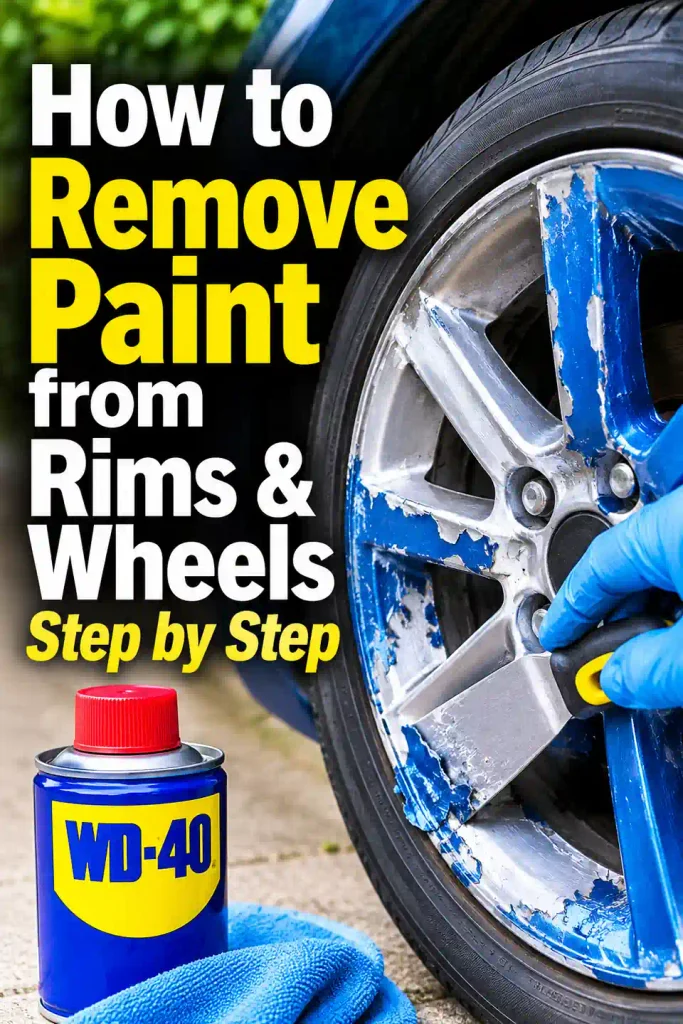
This guide explains how to remove paint from rims and wheels while reducing the risk of scratches, chemical damage, and costly mistakes. You will learn how to identify your wheel finish, prepare the work area, remove unwanted paint, and protect the surface afterward.
Affiliate disclosure: As an Amazon Associate I earn from qualifying purchases.
What to Buy for Removing Paint from Rims & Wheels
Gather the right supplies before starting. The products you need depend on the wheel material, existing finish, and type of paint you want to remove.
- Automotive wheel paint remover
- Chemical-resistant protective gloves
- Chemical splash safety goggles
- Organic vapor respirator
- Plastic paint scrapers
- Soft nylon detailing brushes
- Automotive microfiber towels
- Automotive masking tape
- Automotive wheel primer
- Wheel spray paint
Important: Do not assume that a general-purpose paint stripper is safe for aluminum, chrome, polished, anodized, or clear-coated wheels. Choose a product whose manufacturer specifically confirms compatibility with your wheel material and finish. Follow its label and safety data sheet.
Understand Your Wheel Material and Finish First
Before removing any paint, identify what kind of wheel you have. Different materials and finishes react differently to chemicals, abrasives, and heat.
A removal method that works on an ordinary painted steel wheel could permanently damage a polished alloy or chrome-plated surface.
Painted Alloy Wheels
Many alloy wheels have a factory-applied paint and clear-coat system. The clear coat protects the underlying finish, so removing paint may also remove this protective layer.
If you want to strip the entire wheel for refinishing, confirm whether the wheel has a factory coating, polished sections, or a machined face. These details affect which removal methods are appropriate.
Aluminum Wheels
Aluminum wheels are common because they are relatively lightweight and can be manufactured in different finishes. However, aluminum can be damaged by unsuitable chemicals, aggressive sanding, and excessive heat.
Avoid assuming that a stripper labeled for metal is automatically safe for aluminum. Check the product’s compatibility information before use.
Chrome-Plated Wheels
Chrome finishes require particular care. A wheel that looks chrome-colored may be chrome-plated, polished aluminum, or simply painted with a metallic finish.
If it is genuinely chrome-plated, ordinary paint removal can damage the plating underneath. For extensive paint removal or uncertain finishes, professional refinishing is generally the safer choice.
Steel Wheels
Steel wheels are often more straightforward to refinish than delicate alloy or plated wheels, but they still require suitable paint-removal methods.
Once the paint is removed, exposed steel can develop rust if it is left unprotected. Plan to clean, dry, prime, and refinish the surface promptly.
Powder-Coated Wheels
Powder coating is a durable finish that is not always easy to remove with ordinary paint products. A chemical stripper that works on conventional paint may not work on powder coating or could damage the underlying material.
For a complete powder-coating removal, professional stripping is often preferable.
How to Remove Paint from Rims & Wheels: Step by Step
The following process is intended for wheels with a finish and material that can safely tolerate the selected removal method. If you cannot identify the wheel or confirm product compatibility, have a wheel-refinishing specialist inspect it first.
Step 1: Identify the Paint You Want to Remove
Start by determining whether you are removing a small amount of overspray or stripping the entire wheel.
These situations require different approaches.
- Light overspray: Small paint spots or mist on an otherwise intact wheel finish.
- Peeling paint: Existing coating that is already lifting or flaking.
- Aftermarket paint: A previous DIY coating that needs to be removed before refinishing.
- Complete refinishing: Several layers of paint or coating that need to be stripped.
If the paint is only on a small section, you may not need to strip the entire wheel. A localized approach can preserve more of the original finish.
Also consider whether the paint could contain hazardous substances, particularly on older wheels or unknown coatings. Do not dry-sand or aggressively scrape unidentified old paint.
Step 2: Remove the Wheels from the Vehicle
Removing the wheels usually makes paint removal easier and more controlled.
Park on a firm, level surface, apply the parking brake, and follow the vehicle manufacturer’s instructions for safely lifting and supporting the vehicle. Use suitable jack stands rather than relying on a jack alone.
Remove the wheels and place them on a stable work surface.
Working with detached wheels provides better access to the inner barrel, spokes, and edges. It also reduces the risk of exposing brake calipers, rotors, suspension parts, and nearby bodywork to paint remover.
If you are not experienced with safely lifting a vehicle, have a tire or automotive workshop remove the wheels for you.
Step 3: Remove or Protect the Tires and Wheel Components
For complete wheel refinishing, removing the tire is generally preferable. A tire shop can separate the tire from the rim safely and protect the bead area.
This prevents chemical products and abrasive materials from contacting the rubber.
If the tire must remain mounted, do not proceed with a chemical stripper unless the manufacturer explicitly confirms that it is safe for the tire and nearby components. Carefully masking the tire is not a substitute for product compatibility.
Protect or remove valve stems, pressure sensors, center caps, and decorative inserts as appropriate. Avoid damaging tire-pressure monitoring system components.
Step 4: Clean the Wheel Surface
Before removing paint, clean away dirt, brake dust, grease, and road grime.
A dirty surface can interfere with paint remover and make it harder to see the condition of the original finish.
Follow these steps:
- Allow the wheel to cool completely.
- Rinse away loose dirt and debris.
- Use a wheel cleaner approved for the particular finish, or mild soap and water if permitted by the wheel manufacturer.
- Gently clean the surface with a soft sponge or nylon brush.
- Rinse thoroughly.
- Dry the wheel with a clean microfiber towel.
Do not use steel wool, scouring pads, aggressive wire brushes, or harsh household cleaners. These can scratch or damage protective coatings.
Step 5: Choose a Compatible Paint Removal Method
Now select the method that matches the paint and wheel finish.
Chemical paint remover: A dedicated wheel-safe paint stripper may help loosen conventional paint. It must specifically list compatibility with the wheel material and finish. Follow the product’s application time and removal instructions exactly.
Manual removal: A plastic scraper can help lift already-loose or softened paint from a suitable surface. Use gentle pressure and avoid digging into the underlying finish.
Professional media blasting: A specialist may use an appropriate blasting process to remove coatings from wheels. The media and pressure must be selected for the specific material and wheel design. Aggressive blasting can damage aluminum, machined surfaces, and other delicate finishes.
Professional chemical stripping: A wheel-refinishing shop can assess whether a controlled stripping process is suitable for a particular coating and substrate.
Do not use a heat gun as a general paint-removal method for wheels. Excessive heat can damage coatings, seals, sensors, and wheel materials.
Step 6: Test the Paint Remover on a Small Area
If you choose a chemical product, test it on a small, inconspicuous area before treating the entire wheel.
Read the product label and safety data sheet first. Confirm the required gloves, eye protection, ventilation, application method, and disposal instructions.
Apply a small amount using the manufacturer’s recommended applicator. Observe the surface for the specified period.
Check for:
- Discoloration of the original finish.
- Clouding or dull patches.
- Pitting or surface changes.
- Softening of coatings that should remain.
- Unexpected reactions with exposed metal.
If the product damages the surface or its compatibility is uncertain, stop. Do not continue across the wheel.
Step 7: Apply the Paint Remover as Directed
If the test is successful and the product is approved for the wheel, prepare the work area.
Work outdoors or in a suitable, well-ventilated workspace. Keep children, pets, ignition sources, and unnecessary people away from the work area. Wear the protective equipment specified by the product manufacturer.
Apply the remover only to the intended painted area, using the recommended applicator.
Keep these points in mind:
- Follow the exact application thickness.
- Do not exceed the stated dwell time.
- Prevent the product from contacting tires, sensors, or brake components.
- Avoid applying it in direct sunlight or to hot surfaces if the label advises against it.
- Do not mix different chemical removers.
- Never leave the product on longer simply because the paint looks stubborn.
Paint removers can contain chemicals that cause skin or eye injuries and produce harmful fumes. Follow the product’s safety instructions rather than relying on ordinary household precautions.
Step 8: Lift the Softened Paint Carefully
Once the paint remover has acted for the specified time, remove the softened coating using the method recommended by the manufacturer.
A plastic scraper may be appropriate for some products and wheel surfaces. Use controlled movements and avoid sharp metal tools that can gouge aluminum or scratch the finish.
For detailed areas around spokes and edges, use an approved soft brush if the product instructions permit it.
Do not force paint that remains firmly attached. Repeating the process may be allowed by the product instructions, but only if the manufacturer permits another application.
If the coating does not release, the wheel has an unknown finish, or the surface begins to change, stop and seek professional help.
Step 9: Remove Chemical Residue and Clean the Wheel
After the paint has been lifted, remove the chemical residue according to the stripper manufacturer’s instructions.
Some products require rinsing with water; others have different cleanup requirements. Do not assume that vinegar, baking soda, or another household ingredient will safely neutralize every paint remover.
Use the specified cleanup method and make sure residue does not remain in spoke openings, bolt holes, or other recesses.
Once the product has been removed, clean the wheel using an approved method and allow it to dry completely.
Collect used chemicals, paint residue, contaminated cloths, and disposable protective materials as directed by local hazardous-waste rules. Do not pour chemical waste into drains or onto the ground.
Step 10: Inspect the Bare or Partially Stripped Surface
With the old paint removed, inspect the wheel carefully.
Look for:
- Corrosion or pitting.
- Scratches and gouges.
- Cracks around spokes or mounting areas.
- Damaged clear coat.
- Uneven or discolored sections.
- Remaining paint in corners and recesses.
If you notice a crack, deformation, or damage near the mounting area, do not assume it is cosmetic. Have the wheel inspected by a qualified specialist before putting it back into service.
Avoid aggressive sanding to remove every remaining mark. The goal is to prepare the wheel without unnecessarily removing metal or damaging a machined or anodized surface.
Step 11: Prepare the Wheel for Repainting
If you plan to apply a new finish, preparation must match the wheel material and coating system.
For a suitable bare steel or aluminum surface, the refinishing manufacturer may specify a particular cleaning method, surface treatment, and primer.
Use only products approved for the substrate and intended topcoat. Do not apply an ordinary automotive body primer to every wheel without checking its compatibility.
If the wheel has polished, machined, chrome-plated, or anodized sections, the refinishing process may require specialist equipment and expertise.
Step 12: Apply the New Finish or Arrange Professional Refinishing
If the wheel is suitable for DIY refinishing, follow the complete coating manufacturer’s instructions.
A typical approved system may include:
- Final surface cleaning.
- Compatible primer.
- Wheel-specific paint.
- A compatible protective clear coat, if required.
- The full recommended curing period.
Apply products in the specified conditions and thickness. Use a suitable spray area and respiratory protection based on the product’s safety data sheet.
Do not spray automotive coatings in an enclosed home garage without appropriate professional ventilation and protective equipment. Some two-component coatings contain hazardous chemicals that require specialized spray facilities and supplied-air respiratory protection.
If you are unsure about the coating system, have the wheel refinished by a professional.
How to Remove Different Types of Paint from Rims
The right method depends on the type of coating and the condition of the original wheel finish.
Removing Spray Paint from Rims
Spray paint overspray is often limited to the outer surface, but the correct removal method depends on whether it has cured and what lies underneath.
For a small amount of fresh overspray, begin by checking whether the wheel manufacturer recommends a particular cleaner. Use only a product confirmed safe for the finish.
For dried spray paint, a dedicated wheel-safe remover may be appropriate if the manufacturer approves it. Test a hidden area first.
Avoid using acetone, lacquer thinner, paint thinner, or strong household solvents without explicit compatibility confirmation. These products can damage clear coats, painted finishes, plastic components, and nearby materials.
Removing Old Paint from Alloy Wheels
Old paint on alloy wheels may include several layers, such as primer, color coat, and clear coat.
A compatible stripping system or professional refinishing process may be needed. Avoid aggressive sanding or harsh chemical products that could damage the aluminum or any factory surface treatment.
If the wheel has a diamond-cut face, polished lip, or anodized finish, professional advice is particularly important.
Removing Paint from Steel Rims
Steel wheels may be suitable for certain chemical or mechanical stripping methods, provided the product and process are approved.
Once the coating is removed, inspect the metal for rust and damage. Clean and dry the surface, then use a compatible primer and wheel coating to protect it.
Leaving bare steel exposed to moisture can lead to corrosion.
Removing Paint from Chrome Wheels
Do not assume a chrome-colored wheel is actually chrome-plated. Identify the finish before attempting removal.
If it is chrome-plated, aggressive paint stripping can damage the plating. Chrome restoration and replating require specialized processes, so a professional refinisher is usually the better option for extensive work.
Removing Powder Coat from Wheels
Powder coating is different from ordinary spray paint. It is a durable finish that may require a specialist chemical or controlled professional stripping process.
Avoid using random paint strippers, heat guns, or aggressive blasting equipment. These can damage the wheel underneath the coating.
Common Mistakes to Avoid When Removing Paint from Wheels
A careful approach helps protect both the wheel and your safety.
Using the Wrong Paint Stripper
A product designed for household wood or steel may not be safe for aluminum or coated alloy wheels.
Always check the manufacturer’s compatibility information before application.
Using Metal Scrapers or Wire Brushes
Metal tools can scratch aluminum, damage protective finishes, and leave marks that are difficult to repair.
Use only approved tools and gentle techniques for the particular surface.
Applying Excessive Heat
Heat guns and open flames are not suitable general-purpose solutions for wheel paint removal. Heat can damage coatings, tires, sensors, seals, and wheel materials.
Use a compatible removal method instead.
Ignoring the Tires and Brake Components
Chemical strippers can damage rubber and other nearby components. Removing the wheel from the vehicle and separating the tire when appropriate provides better control.
Do not allow paint remover to contact brake pads, rotors, calipers, or other vehicle components.
Sanding Too Aggressively
Heavy sanding can remove too much material, alter the wheel’s surface, and damage machined or anodized finishes.
Use professional refinishing when the coating cannot be removed safely by a controlled DIY method.
Skipping Protective Equipment
Paint removers can cause burns, irritation, and other injuries. Wear the protective equipment required by the product manufacturer and work in an appropriate environment.
Leaving Bare Metal Unprotected
Exposed steel can rust, while bare aluminum can oxidize or become contaminated before refinishing.
Plan the next preparation and protective-coating steps before beginning paint removal.
Chemical Stripping vs. Sanding vs. Professional Refinishing
| Method | Best suited for | Main concern |
|---|---|---|
| Compatible chemical stripper | Approved conventional paint coatings | Chemical damage if the product is unsuitable |
| Gentle manual removal | Loose or softened paint on suitable surfaces | Scratches from excessive pressure |
| Controlled professional blasting | Certain wheels requiring complete coating removal | Incorrect media or pressure can damage the wheel |
| Professional refinishing | Chrome, machined, delicate, or unknown finishes | Higher service cost, but greater process control |
There is no single best method for every rim. The safest choice depends on the wheel’s construction, finish, coating, and condition.
Frequently Asked Questions
What is the easiest way to remove paint from rims?
For a wheel that is confirmed compatible with a particular product, a dedicated wheel-safe paint stripper may soften conventional paint and make removal easier. For delicate or unknown finishes, professional refinishing is safer than experimenting with chemicals.
Can I use paint thinner to remove paint from alloy wheels?
Do not use ordinary paint thinner unless the wheel manufacturer and chemical manufacturer both confirm compatibility. Solvents can damage clear coats, painted finishes, and nearby components.
Will acetone remove spray paint from rims?
Acetone can dissolve some paints, but it may also damage the wheel’s protective finish and nearby plastic or rubber components. It should not be treated as a universally safe wheel cleaner or paint remover.
Can I remove paint from rims without taking the wheels off?
Small localized overspray may sometimes be treated with an approved method while the wheel remains installed. However, complete paint removal is generally easier and safer with the wheel removed. Chemical strippers must never be allowed to contact tires, brakes, or other vehicle components.
Does paint stripper damage aluminum wheels?
It can. Some chemical products may discolor, etch, or otherwise damage aluminum and its protective finishes. Use only a stripper specifically confirmed as compatible with the exact wheel material and coating.
Can I use sandpaper to remove paint from alloy wheels?
Sanding may be part of a professional or manufacturer-approved refinishing process, but aggressive sanding can scratch aluminum, remove protective layers, and change machined surfaces. Do not begin with coarse sandpaper or assume every alloy wheel can be sanded safely.
How do I remove paint overspray from a wheel?
Identify the wheel finish first. Then choose a cleaner or overspray remover that the manufacturer confirms is compatible. Test a small hidden area and avoid strong solvents unless specifically approved.
Can I repaint my rims after removing the old paint?
Yes, if the wheel is structurally sound and the surface is properly prepared. Use a compatible wheel primer, wheel-specific paint, and protective coating as required by the product instructions.
How long should I wait before repainting stripped wheels?
There is no universal waiting period. The wheel must be completely clean and dry, and all chemical residue must be removed according to the stripper manufacturer’s instructions. Follow the refinishing system’s preparation requirements before applying primer.
Should I remove the tires before stripping wheel paint?
For complete refinishing, removing the tires is generally preferable because it protects the rubber and allows better access to the entire rim. A tire professional can remove and reinstall them safely.
Final Words
Learning how to remove paint from rims and wheels starts with identifying the wheel material and original finish. Aluminum, steel, chrome, powder-coated, and machined wheels do not all respond to the same chemicals or removal techniques.
Clean the wheel, choose a compatible method, test a small area, and follow the manufacturer’s safety and application instructions. Avoid harsh solvents, aggressive sanding, and uncontrolled heat. If the finish is delicate, the wheel is damaged, or its material is unknown, professional refinishing is the safer choice.
Taking the time to protect the original wheel surface will help you achieve a cleaner result and prepare the rims for a durable new finish.
Helpful Resources
- Jenolite – How to Remove Paint from Alloy Wheels – Explains paint removal considerations, cleaning, suitable stripping products, and wheel refinishing preparation.
- PLATIN Wheels – Care and Cleaning of Alloy Wheels – Provides wheel-finish care guidance, including cleaning precautions and materials to avoid on painted and polished alloy surfaces.