
Choosing the best paint for cardboard can make a big difference in how your craft project, storage box, model, or artwork looks when it is finished. Cardboard is absorbent and can soften, wrinkle, or warp when exposed to too much moisture. Therefore, the right paint should provide good coverage without soaking the material or making it difficult to work with.
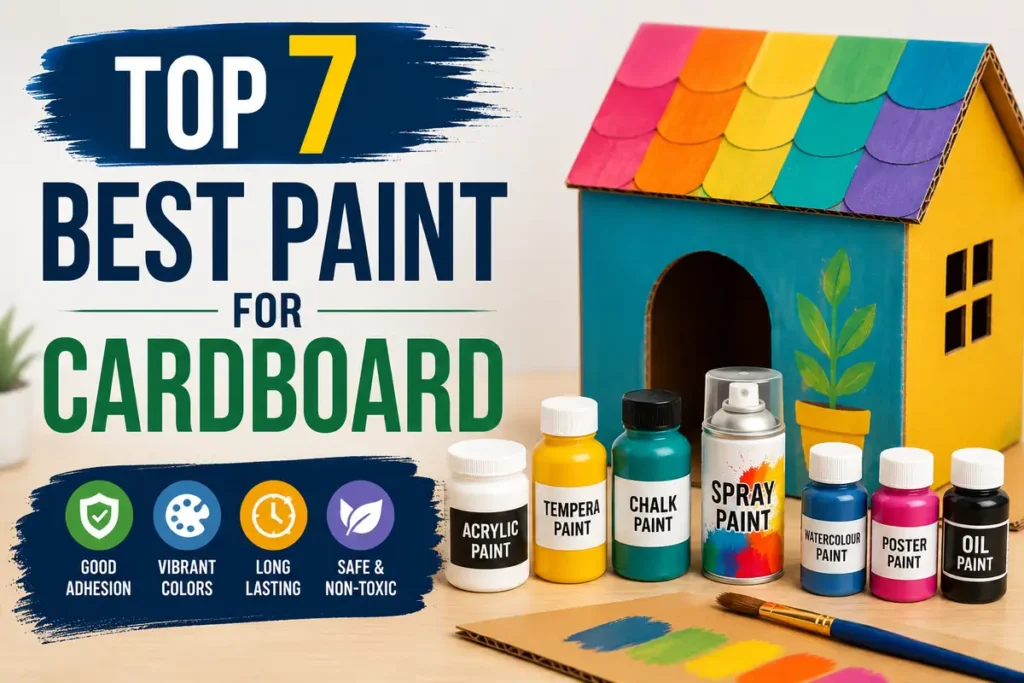
Acrylic paint is often the best all-around choice because it offers vibrant colors, convenient application, and a durable finish after drying. However, tempera paint is useful for school projects, while spray paint can cover larger cardboard surfaces quickly when applied carefully. In this guide, we’ll explore seven paint options and explain how to choose and apply them successfully.
Top Picks: 7 Paints for Cardboard
- Best Overall: Apple Barrel Acrylic Craft Paint – An affordable option for everyday cardboard crafts and decorative projects.
- Best Acrylic Paint Set: ARTEZA Acrylic Paint Set – A versatile collection for colorful artwork and detailed designs.
- Best Professional-Style Acrylic: Liquitex BASICS Acrylic Paint – A suitable choice for artists who want consistent acrylic colors.
- Best Premium Acrylic: Golden Heavy Body Acrylic Paint – A premium option for textured artwork and creative cardboard painting.
- Best for Kids’ Projects: Crayola Washable Tempera Paint – A convenient choice for children’s crafts and temporary decorations.
- Best for Large Color Variety: Mont Marte Acrylic Paint Set – A useful option for artists who want multiple colors for different projects.
- Best Spray Paint: Krylon COLORmaxx Spray Paint – A convenient option for covering suitable cardboard surfaces with a smooth-looking finish.
Affiliate disclosure: As an Amazon Associate I earn from qualifying purchases.
Comparison Table: Best Cardboard Paints
| Product Name | Best For | Check Price |
|---|---|---|
| Apple Barrel Acrylic Craft Paint | Everyday cardboard crafts | Check on Amazon |
| ARTEZA Acrylic Paint Set | Colorful artwork | Check on Amazon |
| Liquitex BASICS Acrylic Paint | Detailed art projects | Check on Amazon |
| Golden Heavy Body Acrylic Paint | Textured artwork | Check on Amazon |
| Crayola Washable Tempera Paint | Children’s crafts | Check on Amazon |
| Mont Marte Acrylic Paint Set | Multiple-color projects | Check on Amazon |
| Krylon COLORmaxx Spray Paint | Larger decorative surfaces | Check on Amazon |
Top 7 Best Paint for Cardboard Reviews
1. Apple Barrel Acrylic Craft Paint – Best Overall
Apple Barrel Acrylic Craft Paint is a practical choice for everyday cardboard painting. It is particularly useful for people who enjoy making decorative boxes, miniature buildings, signs, storage organizers, and other DIY crafts.
Acrylic craft paint is popular because it is easy to apply with an ordinary paintbrush and comes in a wide range of colors. You can use it for solid backgrounds, decorative patterns, lettering, and small details. Its water-based formula also makes cleanup easier while the paint is still wet.
One advantage of using craft acrylic on cardboard is that you can control how much paint reaches the surface. Instead of applying a heavy coat, use a small amount of paint and spread it evenly. Allow each layer to dry before adding another.
Apple Barrel is worth considering when you need an accessible paint for frequent craft projects without investing in expensive artist-grade supplies.
Pros
- Suitable for many decorative cardboard projects
- Convenient brush application
- Available in a variety of colors
- Useful for beginners and casual crafters
- Easy to use for patterns and smaller details
Cons
- May require multiple coats for complete coverage
- Not designed as a waterproof coating for cardboard
- Large projects may require several bottles
Best For: Cardboard boxes, craft decorations, school projects, signs, and miniature models.
2. ARTEZA Acrylic Paint Set – Best Acrylic Paint Set
ARTEZA Acrylic Paint Set is a good option for people who want several colors available for one project. Rather than purchasing individual bottles, you can choose a set that offers different shades for backgrounds, decorative elements, and detailed artwork.
Acrylic paint works well for cardboard because it can provide vibrant coverage without requiring the same amount of liquid as some other painting mediums. When applied in controlled layers, it can help you create colorful designs while limiting moisture exposure.
This type of paint set is particularly useful for cardboard art, handmade gift boxes, decorative letters, model houses, and creative school assignments. You can mix colors to create custom shades and use smaller brushes for intricate designs.
For better coverage, start with a light base coat if the cardboard has dark printing or a noticeable brown color. Allow the base to dry before adding your preferred colors.
Pros
- Offers multiple colors in one set
- Useful for mixing custom shades
- Suitable for detailed cardboard artwork
- Convenient for different craft projects
- Works with ordinary acrylic painting brushes
Cons
- Some colors may need additional coats
- Set sizes and color selections vary
- Not every package includes painting accessories
Best For: Artists, hobbyists, and crafters who need multiple acrylic colors for cardboard projects.
3. Liquitex BASICS Acrylic Paint – Best Professional-Style Acrylic
Liquitex BASICS Acrylic Paint is worth considering when you want artist-oriented acrylic paint for cardboard artwork. It is designed for students, beginners, and artists who want to work with acrylic colors across different creative surfaces.
Its acrylic formulation makes it suitable for many painting techniques, including flat backgrounds, layered colors, decorative patterns, and brushwork. You can use it to create artwork on rigid cardboard panels or prepared cardboard sheets.
One advantage of artist-grade acrylic products is the ability to work with different techniques. You can mix colors, create gradients, and add details without relying entirely on preselected craft-paint shades.
Cardboard absorbs moisture, so avoid thinning the paint excessively with water. Apply moderate amounts and allow each layer to dry before continuing. If you want a more uniform painting surface, consider applying an appropriate acrylic gesso first.
Pros
- Designed for acrylic painting projects
- Suitable for mixing and layering colors
- Useful for detailed artwork
- Works for different creative techniques
- Available in individual colors and sets
Cons
- May cost more than basic craft paint
- Some cardboard projects may need a primer
- Thin applications can require additional coats
Best For: Art students, hobby painters, and people creating more detailed cardboard artwork.
4. Golden Heavy Body Acrylic Paint – Best Premium Acrylic
Golden Heavy Body Acrylic Paint is a premium option for artists who want a thicker acrylic consistency. It is especially interesting for cardboard artwork involving visible brushstrokes, layered textures, and expressive painting techniques.
Because the paint has a heavier consistency, it can be useful when you want more control over texture and the appearance of individual brushstrokes. It also offers opportunities for mixing colors and creating distinctive artistic effects.
This paint is better suited to artwork and creative projects than inexpensive, large-scale cardboard decoration. For example, you could use it to paint a decorative wall panel made from rigid cardboard, create textured illustrations, or add raised-looking details to a model.
However, heavy paint should still be applied thoughtfully. Excessive paint can add weight and moisture to cardboard. Use controlled amounts, particularly on thin corrugated sheets.
Pros
- Thick consistency for textured techniques
- Suitable for creative acrylic artwork
- Useful for layering and expressive brushwork
- Offers artist-oriented color options
- Can be used for detailed decorative designs
Cons
- More expensive than ordinary craft paint
- May be unnecessary for basic cardboard crafts
- Heavy applications can affect lightweight cardboard
Best For: Artists creating textured cardboard paintings, decorative panels, and detailed artwork.
5. Crayola Washable Tempera Paint – Best for Kids’ Projects
Crayola Washable Tempera Paint is a convenient choice for children’s cardboard crafts and classroom activities. It is designed with easy cleanup in mind, making it useful for projects where paint may get on hands, clothing, or work surfaces.
Tempera paint can be applied to porous materials such as cardboard and paper. It is suitable for creating colorful posters, painted boxes, simple shapes, and temporary decorations.
One advantage of tempera is that it is easy to spread with a brush. Children can use it to explore basic color mixing and create artwork without needing complicated supplies.
However, washable tempera should not be confused with permanent acrylic paint. Some washable formulas can be removed more easily and may not provide the same long-term durability. If you are making a cardboard decoration that needs to withstand frequent handling, acrylic paint may be a better choice.
Pros
- Convenient for children’s activities
- Easy to apply with paintbrushes
- Suitable for cardboard and paper crafts
- Washable formula simplifies cleanup
- Useful for classroom projects
Cons
- Not ideal for permanent artwork
- May smudge or transfer when exposed to moisture
- Finish and durability differ from acrylic paint
Best For: Children’s crafts, school projects, temporary cardboard decorations, and supervised painting activities.
6. Mont Marte Acrylic Paint Set – Best for Large Color Variety
Mont Marte Acrylic Paint Set is another option for artists and hobbyists who want a selection of colors for different cardboard projects. Having several shades available makes it easier to create colorful artwork without purchasing each color separately.
Acrylic paint can be used for decorative cardboard boxes, miniature furniture, model buildings, handmade signs, and art panels. You can apply it with brushes, sponges, or other suitable craft tools depending on the effect you want.
The paint set can also be helpful when working on projects that involve several colors. For example, a cardboard castle model may require different shades for the walls, roof, windows, and decorative details.
For the best result, keep the paint application relatively thin. If the cardboard is particularly absorbent, use a compatible primer or gesso before applying the main colors.
Pros
- Multiple colors for creative projects
- Suitable for many acrylic painting techniques
- Useful for decorative cardboard artwork
- Convenient for mixing and blending
- Available in different set configurations
Cons
- Color selection depends on the package
- Thin cardboard may still warp if overpainted
- Some projects may require a separate primer
Best For: Cardboard models, colorful crafts, decorative boxes, and hobby painting.
7. Krylon COLORmaxx Spray Paint – Best Spray Paint
Krylon COLORmaxx Spray Paint is an option for people who prefer spray application instead of using a brush. Spray paint can be useful for covering larger cardboard surfaces, particularly when you want an even-looking base color without visible brush marks.
It can be considered for suitable cardboard craft projects, but always check the product label for surface compatibility. Because cardboard is porous, excessive spraying can soak the material, weaken the paper fibers, and cause warping.
The key is to apply several light passes rather than holding the can in one place. Allow each layer to dry before adding more paint. This approach gives you greater control over coverage and helps reduce the chance of saturating the cardboard.
Spray painting should be done outdoors or in an appropriate, well-ventilated area, away from flames and ignition sources. Follow all safety instructions on the can, including recommended protective equipment.
Pros
- Convenient for covering larger areas
- Can create a smooth-looking finish
- Useful for decorative cardboard projects
- Available in different colors and finishes
- No paintbrush is needed for application
Cons
- Heavy application can warp cardboard
- Requires ventilation and careful handling
- Overspray can affect nearby surfaces
- Not as convenient for fine details
Best For: Larger decorative cardboard boxes, display pieces, and craft projects where spray application is appropriate.
Buying Guide: How to Choose the Best Paint for Cardboard
The best paint for cardboard depends on your project, desired finish, and how often the finished item will be handled. Consider these factors before choosing a product.
1. Choose the Right Type of Paint
Different paint types offer different advantages when used on cardboard.
- Acrylic paint: A versatile option for decorative artwork, boxes, models, and DIY crafts. It dries into a durable paint film and is usually the best all-around choice.
- Tempera paint: Suitable for school projects, children’s crafts, and temporary decorations. Washable formulas are convenient when cleanup matters.
- Spray paint: Useful for covering large surfaces and creating a consistent-looking finish. Apply light coats to avoid soaking the cardboard.
- Oil paint: Can be used for certain artistic projects, but it takes longer to dry and requires more careful handling. It is generally less convenient for everyday cardboard crafts.
For most home and school projects, acrylic paint is the easiest starting point.
2. Consider How Absorbent the Cardboard Is
Cardboard can absorb moisture quickly. Thin packaging cardboard may soften more easily than thick corrugated sheets or rigid cardboard panels.
If your material is very absorbent, consider preparing it with a suitable primer or acrylic gesso. This can help create a more consistent painting surface and reduce uneven absorption.
3. Look at Color Coverage
Brown cardboard can change how a paint color looks after application. Light colors, especially white, yellow, and pastel shades, may need a base coat or several layers to appear bright.
If you want strong color coverage, choose an opaque acrylic paint. You can also use a thin white base coat to make the final colors appear more consistent.
4. Decide Whether You Need a Permanent Finish
Not every cardboard project needs permanent paint.
For temporary school activities, washable tempera may be sufficient. For decorative storage boxes, handmade signs, and artwork that you want to keep, acrylic paint is generally a better option.
If the finished cardboard will be handled frequently, consider a compatible clear protective finish after the paint has fully dried. Test it on a small area first because some coatings can affect the paper surface.
5. Choose Between Brush and Spray Application
Brush-on paint gives you better control over small areas, edges, lettering, and decorative patterns. It is usually the more economical option for detailed projects.
Spray paint can cover large surfaces more quickly, but it requires masking and careful application. Use short, light passes rather than spraying heavily in one spot.
6. Check the Drying Time
Drying time affects how quickly you can complete your project. Acrylic craft paints generally dry faster than oil paints, while tempera products also tend to be convenient for classroom activities.
Remember that surface drying and complete curing are not the same. Follow the manufacturer’s instructions before stacking, handling, or sealing your painted cardboard.
How to Paint Cardboard Without Warping It
Painting cardboard is straightforward when you control the amount of moisture applied to the surface. Follow these steps for a cleaner finish.
Step 1: Choose Clean, Dry Cardboard
Start with cardboard that is dry, clean, and in good condition. Remove dust, loose paper fibers, stickers, and unnecessary labels.
If the cardboard has been stored in a damp area, allow it to dry completely before painting. Avoid using material that is already soft or damaged.
Step 2: Flatten and Support the Surface
Place flat cardboard on a clean, level work surface. If you’re painting a box, support it so the panels do not bend while you work.
For larger sheets, keep the material properly supported during application and drying.
Step 3: Apply Primer or Gesso if Needed
Primer is not always necessary for cardboard, particularly when using acrylic paint for a simple craft project. However, a suitable acrylic gesso can help create a smoother and more uniform surface.
Apply a thin layer with a soft brush and allow it to dry completely. A second light coat may be useful if the original cardboard color or printing is still visible.
Step 4: Apply the First Paint Coat
Use a soft brush or sponge to spread a small amount of paint across the surface. Avoid adding too much water or pressing the brush hard against the cardboard.
Work in manageable sections and keep the paint layer relatively thin.
Step 5: Let the Paint Dry
Allow the first coat to dry before adding another. This prevents excessive moisture from collecting in the cardboard fibers.
If the original surface is still visible, apply another thin layer rather than trying to cover everything with one heavy coat.
Step 6: Add Details and Decorations
Once the base color has dried, add lettering, patterns, illustrations, or other decorative elements.
Small brushes, sponges, and stencils can help you create cleaner designs. Acrylic paint pens may also be useful for lettering and fine details.
Step 7: Seal the Finished Project if Necessary
If your cardboard decoration will be handled frequently, consider a clear finish specifically compatible with acrylic paint and paper-based surfaces.
Test the sealer on a small sample first. Apply a light coat and allow it to dry fully before deciding whether another layer is needed.
Common Mistakes to Avoid When Painting Cardboard
Applying Too Much Water
Water can soak into cardboard and cause the layers to swell or separate. Avoid heavily thinning paint and use controlled amounts.
Using One Thick Coat
A thick layer takes longer to dry and increases the risk of warping. Several light coats usually provide better control.
Skipping Surface Preparation
Dust, grease, stickers, and loose fibers can affect the appearance of the finished project. Clean the surface before painting.
Choosing the Wrong Paint for the Project
Washable tempera is useful for temporary crafts but may not be suitable for permanent decorations. Acrylic paint is usually a better choice when durability matters.
Not Allowing Enough Drying Time
Adding another coat too soon can disturb the first layer and increase moisture exposure. Allow each coat to dry according to the product instructions.
Frequently Asked Questions
What is the best paint for cardboard?
Acrylic paint is generally the best all-around choice for cardboard because it offers vibrant colors, convenient application, and a durable finish after drying. Apple Barrel, ARTEZA, Liquitex BASICS, and Mont Marte are options worth considering for different craft and artwork needs.
Can you use acrylic paint on cardboard?
Yes. Acrylic paint is suitable for many cardboard projects, including boxes, signs, models, and artwork. Apply thin coats and allow each layer to dry before adding more paint.
Do you need to prime cardboard before painting?
No, primer is not always necessary. However, acrylic gesso can help create a smoother surface, reduce uneven absorption, and provide a more uniform base for painting. It is particularly useful when covering printed or dark cardboard.
Can you use spray paint on cardboard?
Yes, provided the product is suitable for the material and the application is done carefully. Use light, even passes and allow each layer to dry. Heavy spraying can saturate the cardboard and cause it to warp.
What paint is best for cardboard boxes?
Acrylic craft paint is usually a good choice for cardboard boxes. It offers a wide range of colors and is easy to apply with a brush or sponge. Spray paint can be useful for larger boxes when applied in light coats.
Can you use tempera paint on cardboard?
Yes. Tempera paint is suitable for many cardboard and paper crafts, especially school projects and temporary decorations. However, washable tempera is not as permanent as acrylic paint and may smudge when exposed to moisture.
How do you stop cardboard from warping when painting?
Use minimal moisture, apply thin coats, and allow each layer to dry completely. Avoid excessive water when thinning paint. For absorbent cardboard, a suitable primer or gesso may also help.
Is painted cardboard waterproof?
Ordinary painted cardboard is not automatically waterproof. Acrylic paint may resist some moisture after drying, but the cardboard underneath can still absorb water. A compatible protective coating may improve resistance, although it does not turn cardboard into a fully waterproof material.
Can you paint corrugated cardboard?
Yes. Acrylic and tempera paints are commonly used on corrugated cardboard. Apply thin coats and avoid saturating the material, particularly around exposed edges and the corrugated inner layer.
What is the best paint for cardboard crafts for kids?
Washable tempera is a convenient choice for children’s crafts because cleanup is easier. Acrylic paint is more suitable for projects that need a more permanent finish, but younger children should use age-appropriate products with adult supervision.
Final Words
The best paint for cardboard depends on the kind of project you want to complete. Apple Barrel Acrylic Craft Paint is a practical choice for everyday crafts, while ARTEZA and Liquitex BASICS offer useful options for more detailed artwork. Crayola Washable Tempera is convenient for children’s activities, and Krylon COLORmaxx can help cover larger surfaces when spray application is appropriate.
For a better result, keep your paint layers thin, prepare absorbent cardboard when needed, and allow each coat to dry completely. These simple steps can help you create colorful cardboard projects while reducing the risk of warping.
Helpful Resources
- Crayola: Differences Between Acrylic, Tempera, and Washable Paints – Explains how these paint types differ in permanence, washability, and common uses.
- Golden Artist Colors: Painting on Corrugated Cardboard – Provides technical guidance on using acrylics, gesso, and other painting materials on corrugated cardboard.