
Choosing the best paint for terracotta pots can turn plain clay planters into colorful decorations for your home, patio, balcony, or garden. Whether you want a simple solid color, detailed floral patterns, or a weather-resistant finish, the right paint helps you create a design that looks attractive and lasts.
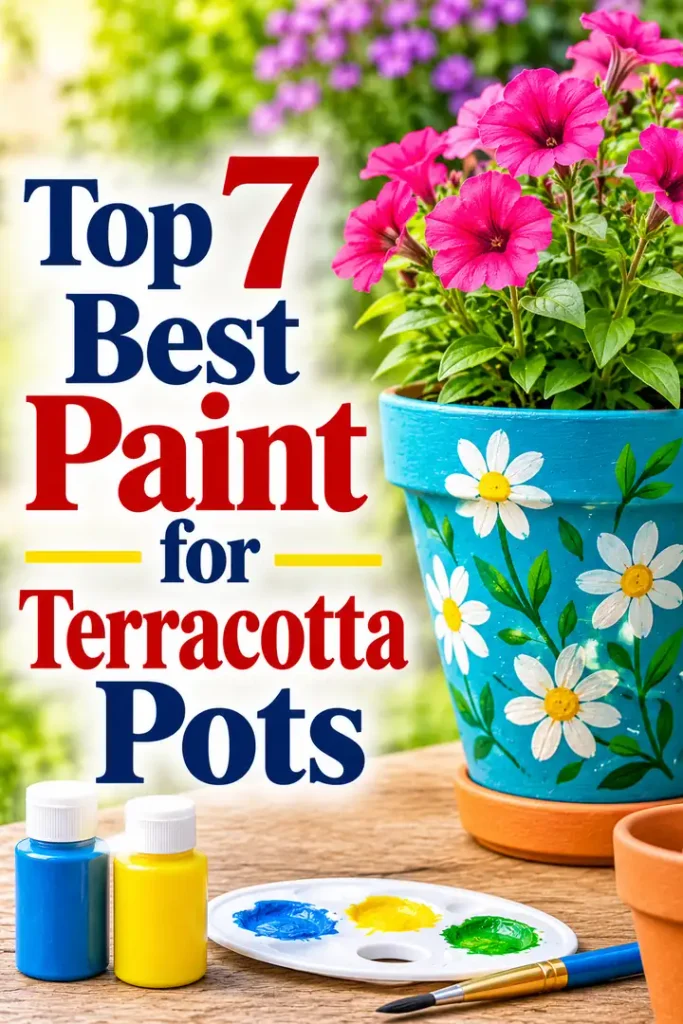
However, terracotta is naturally porous, so it absorbs moisture and paint differently from wood, plastic, or metal. Indoor decorative pots can often be painted with ordinary acrylic craft paint, while outdoor planters need a more weather-resistant paint and a compatible protective finish. In this guide, we’ll explore seven paint options for different projects and explain how to prepare, paint, and protect your terracotta pots.
Top 7 Paints for Terracotta Pots Comparison Table
| Product Name | Best For | Check Price |
|---|---|---|
| DecoArt Patio Paint | Outdoor terracotta pots | Check on Amazon |
| FolkArt Outdoor Acrylic Paint | Decorative outdoor designs | Check on Amazon |
| Shuttle Art Outdoor Acrylic Paint Set | Multiple colors and garden crafts | Check on Amazon |
| Nicpro Outdoor Acrylic Paint Set | Large color selection | Check on Amazon |
| Rust-Oleum Painter’s Touch 2X Ultra Cover | Quick, even spray coverage | Check on Amazon |
| Krylon Fusion All-In-One Spray Paint | Convenient all-surface spray application | Check on Amazon |
| Apple Barrel Acrylic Paint | Indoor decorative pots and crafts | Check on Amazon |
Affiliate disclosure: As an Amazon Associate I earn from qualifying purchases.
Top 7 Best Paint for Terracotta Pots Reviews
1. DecoArt Patio Paint – Best Overall
DecoArt Patio Paint is a strong option for anyone planning to decorate terracotta pots that will be displayed outdoors. It is an exterior-oriented decorative paint designed for patio and garden craft projects, making it a particularly relevant choice for clay planters.
One of its main advantages is that it comes in a variety of colors and finishes. You can use it to create solid backgrounds, painted borders, geometric patterns, flowers, or other decorative details. Its brush-on format also gives you more control than spray paint when working around the rim, base, and curved sides of a pot.
This paint is worth considering for small and medium-sized planters, especially when you want to coordinate several pots with the same color scheme. You can also combine different shades to create seasonal garden decorations.
Although patio paint is intended for outdoor craft applications, you should still follow the manufacturer’s instructions for terracotta and exterior exposure. A compatible clear protective finish may provide additional protection, depending on the exact paint version and intended use.
Key Features:
- Exterior-oriented decorative paint.
- Designed for patio and craft projects.
- Available in multiple colors.
- Brush-on application.
- Suitable for decorative projects on compatible surfaces.
Pros:
- Good choice for outdoor-themed pot projects.
- Offers color variety for creative designs.
- Brush application provides control.
- Suitable for solid colors and decorative details.
- Useful for coordinating multiple garden pots.
Cons:
- Brush-on application takes longer than spraying.
- Larger projects may require multiple bottles.
- Check the exact product instructions for sealing and weather exposure.
If you want a paint specifically associated with outdoor decorative projects, DecoArt Patio Paint is an excellent starting point.
2. FolkArt Outdoor Acrylic Paint – Best for Decorative Outdoor Designs
FolkArt Outdoor Acrylic Paint is a worthwhile option for people who enjoy painting detailed designs on terracotta planters. Its brush-on format makes it convenient for creating patterns, borders, lettering, flowers, and other handmade decorations.
Terracotta pots offer plenty of room for creativity. You can paint a simple background, add contrasting dots, or create more elaborate botanical designs. A selection of outdoor acrylic colors makes it easier to complete these projects without relying on a single shade.
Another advantage is its suitability for craft-style application. You can use different brush sizes to cover larger areas or work on small decorative details. This is particularly helpful when painting several pots with coordinated designs.
Before using it outdoors, check the exact product label for weather-resistance claims, surface recommendations, and whether an additional topcoat is advised. Outdoor exposure, standing water, and moisture moving through porous clay can affect the finished design over time.
Key Features:
- Outdoor-oriented acrylic craft paint.
- Brush-on application.
- Available in different colors.
- Useful for decorative patterns and designs.
- Intended for compatible outdoor craft surfaces.
Pros:
- Good control for hand-painted artwork.
- Useful for floral and geometric designs.
- Offers different color choices.
- Convenient for small and medium pots.
- Suitable for creative garden decorations.
Cons:
- Not as fast as spray paint for full coverage.
- Detailed work can take time.
- Protective finishing may still be needed for demanding outdoor conditions.
If your goal is to create personalized planters with decorative artwork, FolkArt Outdoor Acrylic Paint is a product worth considering.
3. Shuttle Art Outdoor Acrylic Paint Set – Best for Multiple Colors and Garden Crafts
Shuttle Art Outdoor Acrylic Paint Set is an appealing choice for anyone who wants several colors in one purchase. Instead of buying individual bottles, a paint set gives you more flexibility when experimenting with different terracotta pot designs.
A multi-color collection can be particularly useful if you are decorating several planters for a patio or garden. You can create matching pots, contrasting color combinations, or themed designs for different plants.
Brush-on acrylic paint also offers better control for details than most aerosol products. You can use a fine brush for small patterns and a wider brush for larger painted sections.
The important consideration is choosing the correct Shuttle Art set. The brand sells different acrylic paint collections, and not every set is necessarily formulated for outdoor exposure. Look specifically for an outdoor-rated version and check its current water-resistance and weather-resistance information before purchasing.
For pots that will stay outside, follow the paint directions and consider a compatible exterior clear sealer after the paint has fully dried and cured.
Key Features:
- Multi-color outdoor acrylic paint set.
- Brush-on application.
- Useful for decorative craft projects.
- Suitable for creating different color combinations.
- Available in sets with varying color selections.
Pros:
- Provides several colors in one purchase.
- Useful for painting multiple pots.
- Offers flexibility for mixing and matching shades.
- Suitable for hand-painted designs.
- Convenient for other compatible outdoor craft projects.
Cons:
- Bottle sizes and color selections vary by set.
- Some colors may need additional coats over orange clay.
- Confirm that the listing is specifically for outdoor acrylic paint.
If you plan to paint several terracotta pots or want plenty of colors for creative projects, Shuttle Art Outdoor Acrylic Paint Set is worth checking out.
4. Nicpro Outdoor Acrylic Paint Set – Best for a Large Color Selection
Nicpro Outdoor Acrylic Paint Set is another option for artists and DIY enthusiasts who want a broad selection of colors. Having several shades available makes it easier to personalize terracotta pots without repeatedly purchasing individual paint bottles.
This type of set is useful for projects that involve more than one color. You can create pastel planters, bright garden decorations, seasonal designs, or detailed patterns using different brushes and painting techniques.
Its brush-on format is also convenient for working around the curved surface of a clay pot. You can apply a base color first and then add smaller details after the background has dried.
When choosing a Nicpro set, make sure the product listing identifies it as an outdoor acrylic collection. The brand offers different paint sets, and their intended uses can vary. For outdoor planters, check the label for weather-resistance information and follow the recommended curing and sealing instructions.
Key Features:
- Multi-color acrylic paint collection.
- Brush-on application.
- Designed for outdoor-oriented craft projects when choosing the outdoor version.
- Useful for detailed decorative work.
- Available in different set sizes.
Pros:
- Offers multiple colors for creative projects.
- Useful for painting several planters.
- Good control for small decorative details.
- Convenient for color mixing.
- Can be used for other compatible craft surfaces.
Cons:
- Different Nicpro sets have different specifications.
- Larger projects may use up smaller bottles quickly.
- Outdoor durability depends on the exact formula and finishing process.
For anyone who enjoys experimenting with colors and decorating several clay planters, Nicpro Outdoor Acrylic Paint Set is a useful option to compare.
5. Rust-Oleum Painter’s Touch 2X Ultra Cover – Best for Quick, Even Spray Coverage
Rust-Oleum Painter’s Touch 2X Ultra Cover is a practical option when you want to cover a terracotta pot with a consistent color without using a brush. Its spray format can help create a smooth-looking finish across curved surfaces and decorative shapes.
This product is useful for projects where you want to change the overall appearance of a planter rather than paint detailed patterns. For example, you could transform several plain clay pots into matching black, white, cream, or colorful garden accents.
Spray paint can also make it easier to reach areas around curved sides that might otherwise show visible brush marks. Apply light, even coats rather than trying to cover the entire pot in one heavy application.
However, this is a general-purpose spray paint, not a terracotta-specific coating. Check the exact can’s approved surfaces and outdoor-use information before applying it. Because clay absorbs moisture, proper preparation and a compatible protective finish are particularly important for planters that will hold live plants.
Always spray outdoors or in a well-ventilated area, protect nearby surfaces, and follow the manufacturer’s safety instructions.
Key Features:
- General-purpose spray paint.
- Designed for compatible surfaces.
- Convenient aerosol application.
- Available in different colors and finishes.
- Useful for larger decorative surfaces.
Pros:
- Fast application compared with brush painting.
- Helps create an even-looking finish.
- Useful for matching several pots.
- No paintbrush required for the main coating.
- Available in multiple colors.
Cons:
- Less control for detailed artwork.
- Requires proper ventilation during application.
- Must be checked for compatibility with terracotta and outdoor use.
If you want to refresh several pots with a consistent solid color, Rust-Oleum Painter’s Touch 2X Ultra Cover is worth considering.
6. Krylon Fusion All-In-One Spray Paint – Best for Convenient All-Surface Spray Application
Krylon Fusion All-In-One is a convenient spray option for DIY projects involving different materials. It is marketed for adhesion to a range of surfaces, making it worth exploring when you want to refresh decorative planters and other compatible garden accessories.
Its aerosol format is useful for creating a consistent base color. Instead of using a brush to cover every section, you can apply several light passes around the pot to build up the finish.
This can be particularly helpful for pots with textured sides, ridges, or decorative shapes. It is also a practical choice if you prefer a clean, uniform appearance rather than a hand-painted look.
Terracotta is porous, though, so general-purpose spray paint should not be treated as a complete waterproofing solution. Check the product’s current surface recommendations and outdoor-use directions before applying it to clay. For a planter that will be watered regularly, consider how moisture can move through the pot and affect the paint film.
Key Features:
- All-in-one spray paint format.
- Designed for adhesion to multiple compatible surfaces.
- Available in different colors and finishes.
- Convenient for solid-color projects.
- Aerosol application for broad coverage.
Pros:
- Convenient for quick decorative projects.
- Helps cover curved surfaces evenly.
- Useful for solid-color finishes.
- No brush required for the main application.
- Suitable for various compatible DIY surfaces.
Cons:
- Not designed for fine brushwork.
- Spray application requires ventilation.
- Check terracotta compatibility and protective-finish requirements.
If you prefer spray application and want a convenient way to update the look of decorative pots, Krylon Fusion All-In-One is another option to compare.
7. Apple Barrel Acrylic Paint – Best for Indoor Decorative Pots and Crafts
Apple Barrel Acrylic Paint is a popular craft-paint option for indoor terracotta pot projects. It is particularly useful for beginners who want an affordable, easy-to-apply paint for simple decorations and creative designs.
Its brush-on format makes it suitable for painting small planters, adding colorful patterns, or creating handmade gifts. You can use it for solid backgrounds, dots, stripes, lettering, and other designs that do not require specialized spray equipment.
The range of available colors also makes it easy to experiment with different styles. For example, you could use soft pastels for indoor plant displays or brighter shades for decorative pots on shelves and windowsills.
The main limitation is outdoor durability. Standard craft acrylic paint should not automatically be considered weatherproof. If you want to use it on an outdoor pot, check the product’s exact specifications and apply a compatible exterior protective finish when appropriate.
For indoor decorative pots that are not exposed to frequent water, Apple Barrel is a convenient and budget-friendly choice.
Key Features:
- Water-based acrylic craft paint.
- Brush-on application.
- Available in many colors.
- Suitable for indoor decorative projects.
- Useful for detailed artwork and simple patterns.
Pros:
- Beginner-friendly application.
- Convenient for small craft projects.
- Good selection of colors.
- Useful for detailed hand-painted designs.
- Suitable for indoor decorative pots.
Cons:
- Standard versions are not necessarily weatherproof.
- May require several coats on porous clay.
- Outdoor use needs careful product selection and protection.
If you are decorating terracotta pots for indoor displays, Apple Barrel Acrylic Paint is an affordable option worth considering.
Our Top Picks
Here are our standout choices based on different terracotta pot painting needs:
- Best Overall: DecoArt Patio Paint – An outdoor-oriented decorative paint for garden and patio projects.
- Best for Decorative Outdoor Designs: FolkArt Outdoor Acrylic Paint – Useful for hand-painted patterns, flowers, and colorful details.
- Best Multi-Color Set: Shuttle Art Outdoor Acrylic Paint Set – A convenient collection for painting several pots.
- Best for Color Variety: Nicpro Outdoor Acrylic Paint Set – Worth considering for projects that need multiple shades.
- Best Spray Coverage: Rust-Oleum Painter’s Touch 2X Ultra Cover – Convenient for solid-color applications.
- Best All-Surface Spray Option: Krylon Fusion All-In-One – A practical spray option for compatible DIY surfaces.
- Best for Indoor Crafts: Apple Barrel Acrylic Paint – An accessible choice for indoor decorative planters.
Buying Guide: How to Choose the Best Terracotta Pots Paint
Choosing paint for terracotta pots is easier when you consider where the pot will be displayed, how much moisture it will encounter, and the finish you want. Here are the main factors to consider before buying.
1. Decide Whether the Pot Will Be Indoors or Outdoors
This is the first decision to make because indoor and outdoor pots face different conditions.
Indoor pots: Standard acrylic craft paint can work well for decorative pots that stay dry and are not exposed to frequent watering or moisture.
Outdoor pots: Choose paint specifically labeled for exterior or outdoor use. Look for suitable weather-resistance information and use a compatible clear protective finish when recommended.
Outdoor planters face sunlight, rain, temperature changes, and moisture from the soil. A paint designed only for indoor crafts may not hold up under these conditions.
2. Choose the Right Paint Type
Different paint types offer different application methods and finishes.
- Outdoor acrylic paint: A versatile option for decorative garden pots and hand-painted designs.
- Craft acrylic paint: Useful for indoor projects, patterns, and small decorative planters.
- Spray paint: Convenient for applying a uniform solid color across curved surfaces.
- Chalk paint: Offers a soft, matte appearance, but outdoor use requires careful attention to compatible sealing and protection.
- Exterior latex paint: Can be considered for larger decorative projects when the product is suitable for the clay surface.
For most beginner projects, water-based acrylic is a convenient starting point because it is easy to apply and offers plenty of color choices.
3. Check Weather and Water Resistance
If your terracotta pots will sit outside, consider how the paint handles moisture and sunlight.
Look for product information about:
- Exterior or outdoor suitability.
- Water resistance after full curing.
- UV or fade resistance.
- Recommended protective topcoats.
- Approved application surfaces.
Remember that a painted exterior does not automatically prevent water from entering through the inside of a porous pot. Moisture can move through the clay and affect the coating. Proper preparation and a suitable finishing system matter.
4. Consider Brush-On Paint or Spray Paint
Both application methods can work, but they suit different projects.
Brush-on paint is better for detailed artwork, small patterns, and controlled color placement. It is also useful when you want to mix colors or create handmade designs.
Spray paint is convenient for covering an entire pot with a consistent color. It can reduce visible brush marks, although it requires a well-ventilated work area and careful masking.
Choose the method that matches your design and experience level.
5. Look at Color Selection and Coverage
Terracotta has a naturally orange-red color, which can influence how paint appears after application.
If you want bright or pale shades, consider using a suitable primer or base coat. This can help create a more consistent background and reduce the number of color coats needed.
For a large collection of pots, a multi-color set may offer better flexibility. For a single pot with a simple design, individual bottles may be more economical.
6. Consider the Finish
Paint finishes can change the overall appearance of your planter.
- Matte: Creates a soft, understated look.
- Satin: Offers a subtle sheen without appearing overly shiny.
- Gloss: Gives a brighter, more reflective appearance.
- Textured: Adds a decorative surface effect.
Think about the rest of your garden or indoor decor before choosing a finish. Matte and earthy shades can complement natural clay, while gloss and brighter colors can create a more noticeable decorative accent.
7. Check Whether a Primer Is Needed
Terracotta absorbs liquids because it has a porous structure. This can make the first paint layer appear uneven or less vibrant.
A suitable primer or sealer can help control absorption and create a more consistent surface. However, not every paint requires a separate primer, so check the manufacturer’s instructions.
If you are painting a pot with a light color, a compatible white base coat may also help the final shade appear more consistent.
8. Choose a Compatible Clear Sealer
A protective clear finish can help preserve painted designs, especially on decorative pots exposed to outdoor conditions.
Consider a clear acrylic or exterior-rated sealer that is compatible with your paint. Check whether the product is suitable for the pot’s intended use and follow its curing instructions.
If the planter will hold edible plants, herbs, or vegetables, do not assume that an ordinary craft sealer is safe for contact with soil or edible plants. Check the manufacturer’s suitability information before using it.
9. Compare Price and Overall Value
A large paint set may appear expensive initially, but it can be useful if you plan to decorate multiple pots. Individual bottles may be a better choice for simple projects that require only one or two colors.
Compare bottle size, color selection, intended use, and whether you need to purchase a separate primer or sealer. The best value is the product that suits your project without requiring unnecessary supplies.
How to Paint Terracotta Pots: Step-by-Step Guide
Using suitable paint is important, but preparation and application also affect the finished result. Follow these steps to create a neat decorative pot.
Step 1: Clean the Terracotta Pot
Remove dust, loose dirt, stickers, and residue from the pot. Use a soft brush or damp cloth to clean the surface.
If the pot has been used before, remove old soil deposits and any loose paint. Allow it to dry completely before continuing. Painting damp terracotta can interfere with adhesion and contribute to bubbling or peeling.
Step 2: Prepare the Surface
Check the pot for rough areas, loose material, or flaking old paint. Lightly sand rough spots if necessary, then remove the remaining dust.
Place the pot on a protected work surface. Use painter’s tape if you want clean borders or want to keep certain areas unpainted.
Step 3: Apply a Suitable Primer or Sealer
If your chosen paint requires a primer, apply it according to the product directions.
A suitable sealer can help reduce moisture absorption and create a more consistent painting surface. If you are using a planter for live plants, consider how sealing different parts of the pot affects drainage and moisture movement.
Do not block the drainage hole. Allow the primer or sealer to dry and cure as instructed.
Step 4: Apply the First Paint Coat
Use a clean brush or spray paint, depending on your chosen product.
For brush-on acrylic, apply a thin, even coat. For spray paint, hold the can at the recommended distance and keep it moving to avoid heavy spots.
Do not try to achieve complete coverage with one thick layer. Terracotta may absorb some of the first coat, so a second coat may be necessary.
Step 5: Add Additional Coats
Allow the first coat to dry according to the label. Apply another thin layer if the clay color is still visible.
For pale shades over orange terracotta, additional coats or a suitable base coat may improve coverage.
Step 6: Add Decorative Details
Once the background color is dry, add your preferred patterns or artwork.
Popular ideas include:
- Painted flowers and leaves.
- Polka dots and stripes.
- Geometric shapes.
- Simple color-blocked sections.
- Decorative lettering.
- Seasonal patterns.
Use smaller brushes for detailed work and painter’s tape for clean geometric edges.
Step 7: Apply a Protective Finish When Needed
If the pot will be exposed to outdoor conditions, apply a compatible clear protective finish when recommended by the paint manufacturer.
Follow the instructions for the number of coats, drying time, and full curing period. Do not assume that a product is waterproof simply because it feels dry to the touch.
Step 8: Allow the Pot to Cure Fully
Give the paint and protective finish enough time to cure before exposing the pot to water, soil, or outdoor weather.
The correct waiting period depends on the specific products and environmental conditions. Follow the label rather than relying only on touch-dry time.
Common Mistakes to Avoid When Painting Terracotta Pots
A few simple mistakes can shorten the life of your painted planters. Keep these points in mind before starting.
Painting a Damp Pot
Terracotta can retain moisture even when the surface looks dry. Allow the pot to dry completely after washing before applying primer or paint.
Skipping Surface Preparation
Dust, soil, and loose material can interfere with paint adhesion. Clean the pot thoroughly and remove any flaking coating before starting.
Applying One Thick Coat
A heavy layer may dry unevenly and create visible runs or an inconsistent finish. Use several thin coats and allow each layer to dry properly.
Choosing Indoor Craft Paint for Outdoor Exposure
Standard craft acrylic is convenient for indoor decorative projects, but it should not automatically be used outdoors without checking its specifications. Choose an exterior-rated product for planters exposed to rain and sunlight.
Forgetting About Moisture Inside the Pot
Water can move through porous clay from the soil side and affect the paint on the outside. Consider the complete finishing system and follow appropriate sealing guidance for the pot’s intended use.
Blocking the Drainage Hole
Paint and sealer can accidentally cover the drainage opening. Keep it clear so excess water can escape.
Planting Before the Paint Has Cured
Paint that feels dry may not be fully cured. Wait for the manufacturer’s recommended curing period before adding soil or exposing the pot to regular watering.
Frequently Asked Questions
1. What Is the Best Paint to Use on Terracotta Pots?
Outdoor-rated acrylic paint is a versatile choice for terracotta pots that will be displayed outside. DecoArt Patio Paint and FolkArt Outdoor Acrylic Paint are options worth considering. For indoor decorative pots, standard acrylic craft paint can also work well.
2. Can I Use Regular Acrylic Paint on Terracotta Pots?
Yes. Regular acrylic craft paint can be used on clean, dry terracotta for indoor decorative projects. If the pot will be outdoors, choose a product specifically suitable for exterior exposure or use a compatible protective system according to the manufacturer’s directions.
3. Do I Need to Prime Terracotta Pots Before Painting?
Not always. Some paints can be applied directly to properly prepared terracotta, while others benefit from a primer or sealer. Priming can help control absorption and improve color consistency, especially when using light shades.
4. Should I Seal Terracotta Pots Before Painting?
Sealing before painting can help reduce the clay’s absorption and create a more consistent surface. It is particularly worth considering for pots that will hold plants or encounter frequent moisture. Choose a compatible product and follow its directions.
5. How Do I Make Painted Terracotta Pots Waterproof?
No ordinary paint should be assumed to make porous terracotta completely waterproof. Use an exterior-suitable paint and a compatible protective finish when appropriate. Remember that moisture can still enter through the clay, drainage hole, and unprotected areas.
6. Can I Use Spray Paint on Terracotta Pots?
Yes, spray paint can be used on terracotta when the specific product is approved for the surface and intended conditions. It is convenient for even solid-color coverage. Apply light coats in a well-ventilated area and follow the label instructions.
7. Is Acrylic Paint Better Than Spray Paint for Terracotta Pots?
Neither is automatically better. Brush-on acrylic gives you more control for patterns, lettering, and detailed artwork. Spray paint is more convenient for covering an entire pot with a uniform color. Choose based on your design and the product’s surface suitability.
8. Can Painted Terracotta Pots Be Used for Live Plants?
Yes, painted terracotta pots can be used for live plants when the selected paint and finishing products are suitable for the intended use and have fully cured. Keep drainage openings clear and check product guidance before using coatings around soil or edible plants.
9. How Many Coats of Paint Do Terracotta Pots Need?
Many projects need two or more thin coats, but the exact number depends on the paint, color, surface preparation, and desired coverage. Pale shades may require additional coats over the natural orange clay.
10. How Long Should Painted Terracotta Pots Dry Before Planting?
The waiting period depends on the paint, primer, and sealer. Follow the full curing instructions for every product used. Do not rely only on the time it takes for the surface to feel dry.
Final Words
The right paint for terracotta pots depends on where you plan to display them and the style you want to create. DecoArt Patio Paint is our leading option for outdoor decorative projects, while FolkArt Outdoor Acrylic Paint is worth considering for detailed designs. Shuttle Art and Nicpro offer multi-color choices, Rust-Oleum and Krylon provide convenient spray application, and Apple Barrel is a practical choice for indoor crafts.
Before buying, check the paint’s intended use, surface compatibility, and protective-finish requirements. Clean and dry the clay, apply thin coats, keep the drainage hole open, and allow everything to cure fully. With the right preparation and paint, you can turn ordinary terracotta planters into attractive decorations for your home or garden.
Helpful Resources
- HGTV: How to Paint Terracotta Flower Pots – A visual guide to preparing clay pots, applying paint, and creating decorative designs.
- The Paint Spot: A Guide to Painting Clay Pots with Acrylic Paint – Helpful advice about acrylic paint, surface preparation, and protecting painted clay projects.