
Choosing what color to paint a living room is one of the biggest design decisions you’ll make in your home. As the space where family gathers, guests are entertained, and everyday life happens, the living room sets the tone for the entire house. The right paint color can make the room feel larger, brighter, cozier, or more sophisticated, while the wrong color can make even a beautifully furnished space feel unbalanced.
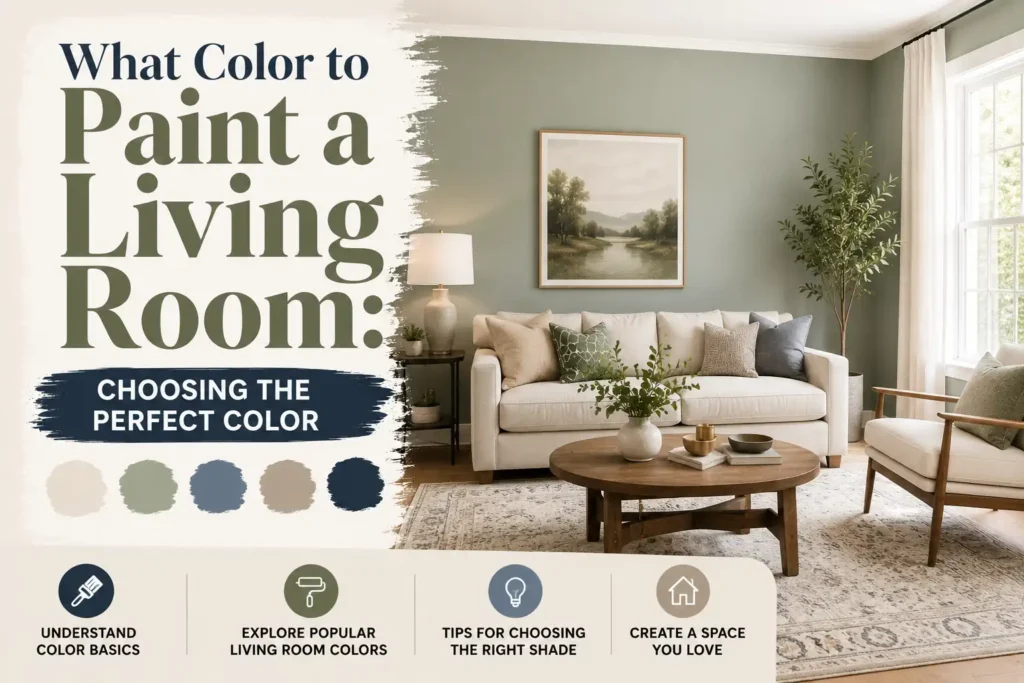
With thousands of paint colors available, finding the perfect shade can feel overwhelming. The good news is that by considering your room’s size, lighting, furniture, and desired atmosphere, you can narrow your options and confidently select a color you’ll love for years. This guide covers the best living room paint colors, how to choose the right one, and expert tips for creating a stylish and welcoming space.
Why Living Room Color Matters
The living room is often the most-used room in the home. Because it serves multiple purposes, the wall color has a significant impact on how the space feels and functions.
The right paint color can:
- Make the room feel larger or more intimate
- Improve natural light reflection
- Create a welcoming atmosphere
- Highlight architectural features
- Complement furniture and décor
- Increase visual harmony throughout the home
Unlike trend-driven accessories, wall color forms the foundation of your design, making it one of the most important decorating choices.
Factors to Consider Before Choosing a Living Room Color
Before selecting a paint color, take a close look at the room itself.
Room Size
Light colors generally make a room feel larger and more open.
Dark colors can add warmth and coziness, especially in spacious living rooms.
Natural Light
A room with large windows can support deeper, richer colors without feeling dark.
Living rooms with limited natural light often benefit from lighter shades that help maximize brightness.
Furniture and Flooring
Your paint color should coordinate with existing furniture, rugs, flooring, and décor.
The walls should support these elements rather than compete with them.
Overall Style
Consider the style you want to achieve.
Popular styles include:
- Modern
- Traditional
- Farmhouse
- Coastal
- Contemporary
- Transitional
Certain paint colors naturally complement specific design styles.
Best Colors to Paint a Living Room
1. Soft White
Soft white remains one of the most versatile and timeless living room colors.
Unlike bright white, soft white includes subtle warm undertones that make the room feel inviting while maintaining a bright appearance.
Why it works:
- Reflects light beautifully
- Makes rooms feel larger
- Works with every decorating style
- Easy to update with changing décor
Best for:
- Small living rooms
- Open-concept spaces
- Modern homes
Soft white creates a clean foundation that allows furniture and accessories to shine.
2. Warm Greige
Greige combines gray and beige into a sophisticated neutral that has become a favorite among designers.
It offers warmth, versatility, and timeless appeal.
Why it works:
- Balances warm and cool tones
- Complements many furniture colors
- Creates a refined appearance
- Suitable for various design styles
Best for:
- Family rooms
- Transitional interiors
- Contemporary homes
3. Light Gray
Light gray provides a modern yet welcoming backdrop.
It pairs well with a wide range of accent colors and works beautifully with both traditional and contemporary furnishings.
Why it works:
- Clean and sophisticated
- Enhances natural light
- Timeless appearance
- Versatile design potential
Best for:
- Modern interiors
- Urban homes
- Minimalist spaces
4. Sage Green
Sage green continues to be one of the most popular paint colors for living rooms.
Its muted tone brings a sense of calm while adding subtle color.
Why it works:
- Nature-inspired feel
- Relaxing atmosphere
- Complements wood furniture
- Adds personality without overwhelming the room
Best for:
- Farmhouse homes
- Cottage-style interiors
- Nature-inspired spaces
5. Soft Beige
Modern beige shades are warm, sophisticated, and far from outdated.
They create a cozy environment while remaining neutral enough to work with many decorating styles.
Why it works:
- Warm and inviting
- Easy to coordinate
- Creates a comfortable atmosphere
- Timeless appeal
Best for:
- Traditional homes
- Family spaces
- Rooms with warm wood tones
6. Pale Blue
Pale blue creates a fresh and airy atmosphere that works particularly well in bright living rooms.
The color promotes relaxation while maintaining an open feel.
Why it works:
- Light and calming
- Reflects natural light
- Adds subtle personality
- Works with coastal and casual styles
Best for:
- Coastal homes
- Sun-filled rooms
- Relaxed living spaces
7. Dusty Blue-Gray
A blue-gray shade offers the perfect balance between color and neutrality.
It feels sophisticated, calming, and adaptable.
Why it works:
- Elegant appearance
- Coordinates with many accent colors
- Creates visual interest
- Timeless style
Best for:
- Transitional homes
- Contemporary living rooms
- Medium and large spaces
8. Warm Taupe
Taupe combines brown and gray undertones to create a rich, versatile neutral.
It adds depth without feeling too dark.
Why it works:
- Warm and sophisticated
- Works with many furniture finishes
- Creates a cozy atmosphere
- Suitable for traditional and modern homes
Best for:
- Large living rooms
- Traditional interiors
- Elegant spaces
Navy blue adds drama and sophistication to a living room.
When paired with adequate lighting and lighter furnishings, it creates a luxurious appearance.
Why it works:
- Rich and timeless
- Creates depth
- Highlights architectural features
- Makes décor stand out
Best for:
- Large living rooms
- Statement walls
- Contemporary interiors
10. Charcoal Gray
Charcoal gray offers bold sophistication and modern appeal.
It creates a dramatic backdrop that can make artwork, furniture, and lighting stand out.
Why it works:
- Luxurious appearance
- Strong visual impact
- Creates depth and contrast
- Works with modern designs
Best for:
- Spacious rooms
- Contemporary homes
- High-ceiling spaces
Best Living Room Colors for Small Spaces
Small living rooms generally benefit from lighter shades.
Top choices include:
- Soft white
- Warm white
- Light gray
- Pale blue
- Light greige
These colors help reflect light and create a more open appearance.
Best Living Room Colors for Large Rooms
Larger living rooms can support deeper and more dramatic colors.
Popular options include:
- Navy blue
- Charcoal gray
- Warm taupe
- Deep green
- Rich greige
These shades help make expansive spaces feel more comfortable and inviting.
Best Living Room Colors by Style
Modern Style
Choose:
- Soft white
- Light gray
- Charcoal gray
- Greige
These colors emphasize clean lines and simplicity.
Farmhouse Style
Choose:
- Sage green
- Warm white
- Cream
- Beige
These shades complement natural materials and rustic accents.
Traditional Style
Choose:
- Beige
- Taupe
- Cream
- Soft greige
These colors create timeless elegance.
Coastal Style
Choose:
- Pale blue
- Soft white
- Light gray
- Blue-gray
These shades create an airy and relaxed atmosphere.
Warm vs. Cool Living Room Colors
Warm Colors
Examples include:
- Beige
- Taupe
- Cream
- Warm greige
Benefits:
- Cozy atmosphere
- Welcoming feel
- Comfortable and inviting
Cool Colors
Examples include:
- Blue
- Green
- Gray
- Blue-gray
Benefits:
- Calm and refreshing
- Modern appearance
- Bright and airy feel
Both approaches can work beautifully depending on your home’s style and lighting.
How Lighting Affects Living Room Paint Colors
Lighting dramatically influences paint color.
Bright Rooms
Rooms with abundant natural light can support:
- Navy blue
- Charcoal gray
- Deep green
- Rich taupe
Natural light prevents these colors from feeling too heavy.
Dark Rooms
Living rooms with limited sunlight often benefit from:
- Soft white
- Light gray
- Pale blue
- Light greige
These shades help maximize brightness.
Always test paint samples throughout the day before making a final choice.
Best Paint Finish for Living Room Walls
Eggshell Finish
Eggshell is one of the most popular finishes for living rooms.
Benefits include:
- Soft appearance
- Easy maintenance
- Subtle durability
Satin Finish
Satin provides additional durability and is easier to clean.
It works well in homes with children and pets.
Matte Finish
Matte paint offers a sophisticated appearance and minimizes wall imperfections.
Many designers prefer matte finishes for formal living spaces.
Common Living Room Paint Mistakes
Choosing Color Before Furniture
Paint is easier to change than furniture. Coordinate the wall color with major furnishings.
Ignoring Natural Light
Lighting conditions can dramatically alter how paint appears.
Following Trends Blindly
Select a color that fits your home and lifestyle rather than chasing short-term trends.
Using Too Many Colors
A cohesive palette generally creates a more polished appearance.
Skipping Sample Testing
Always test paint colors on your walls before committing.
Designer Tips for a Beautiful Living Room
To maximize the impact of your paint color:
- Use lighter colors to make small rooms feel larger
- Add contrast through furniture and accessories
- Coordinate wall color with flooring undertones
- Consider an accent wall for visual interest
- Test paint samples in different lighting conditions
- Balance bold wall colors with neutral furnishings
These strategies help create a space that feels thoughtfully designed and comfortable.
Final Thoughts
If you’re wondering what color to paint a living room, soft white, warm greige, sage green, and light gray are among the most versatile and popular choices. These shades work with a wide variety of decorating styles, enhance natural light, and create a welcoming atmosphere that never goes out of fashion.
The best living room color ultimately depends on your room’s size, lighting, furnishings, and personal style. By choosing a shade that complements the space and supports the mood you want to create, you can transform your living room into a beautiful gathering place that feels both stylish and comfortable for years to come.