
Ceramic figurines are beautiful decorative pieces, but their smooth surfaces can make painting a little challenging. Whether you want to refresh an old porcelain animal, customize a ceramic angel, paint a bisque sculpture, or create a colorful handmade gift, choosing the right paint can make a significant difference. The best paint for ceramic figurines should offer good coverage, attractive color, manageable application, and suitable adhesion for the type of ceramic you are painting.
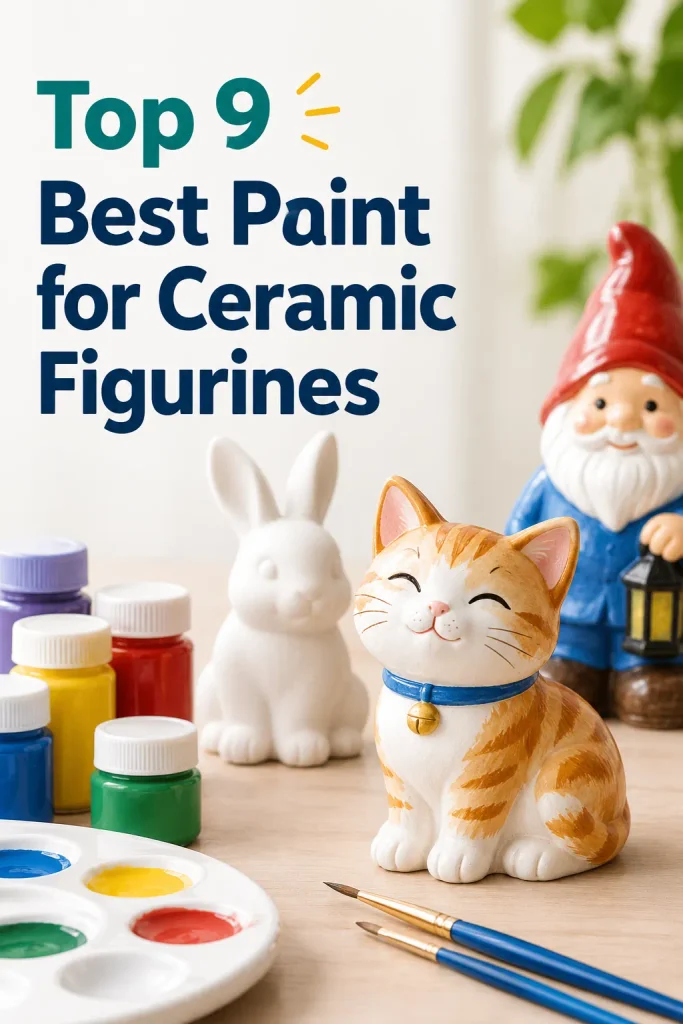
Some paints work especially well on unglazed ceramic figurines, while others are designed for glazed surfaces. Acrylic craft paints are convenient for decorative projects, ceramic enamel paints can be useful for suitable glazed pieces, and artist-grade acrylics offer excellent color mixing for detailed artwork. Below, you will find nine paint options to consider, along with their advantages, limitations, and tips for selecting the right product for your project.
Affiliate disclosure: As an Amazon Associate I earn from qualifying purchases.
Top 9 Best Paint for Ceramic Figurines: Quick Comparison
| Product Name | Best For | Check Price |
|---|---|---|
| 1. FolkArt Enamel Acrylic Paint | Glazed ceramic figurines and decorative details | Check on Amazon |
| 2. FolkArt Multi-Surface Acrylic Paint | Everyday ceramic crafts and colorful designs | Check on Amazon |
| 3. DecoArt Americana Multi-Surface Satin Acrylic Paint | Detailed decorative figurine painting | Check on Amazon |
| 4. Pebeo Porcelaine 150 | Porcelain and suitable glazed ceramic decoration | Check on Amazon |
| 5. Liquitex BASICS Acrylic Paint | Artist-style painting and color mixing | Check on Amazon |
| 6. Apple Barrel Acrylic Paint | Budget-friendly decorative figurines | Check on Amazon |
| 7. ARTEZA Acrylic Paint Set | Multicolor figurine painting and creative projects | Check on Amazon |
| 8. ARTISTRO Acrylic Paint Pens | Fine lines, facial features, and small details | Check on Amazon |
| 9. DecoArt Glass Paint | Selected glazed ceramic and glass-style decorative work | Check on Amazon |
Note: These are product options to investigate, not a guarantee that every formulation is compatible with every ceramic surface. Check the current product label for approved surfaces, curing requirements, and finish. Air-dry craft paints and oven-cured ceramic paints are different systems; do not assume that a product can be baked unless its manufacturer explicitly says so.
1. FolkArt Enamel Acrylic Paint
Best for: Glazed ceramic figurines and decorative details
FolkArt Enamel Acrylic Paint is a strong option to consider when you want to paint a decorative ceramic figurine with a smooth, colorful finish. Unlike ordinary craft paint, this product line is designed for suitable glass and ceramic projects, making it particularly relevant when you are working with a smooth, glazed decorative piece.
The paint is available in colors that can help you transform plain ceramic animals, miniature houses, decorative angels, holiday figurines, and other small ornaments. You can use a fine brush for delicate details and a slightly larger brush for broader areas. This versatility is useful when the figurine has raised patterns, textured clothing, tiny facial features, or decorative accessories.
For the best result, clean the ceramic carefully before painting. Any dust, oil, or residue can interfere with adhesion. Apply thin, even coats and allow the recommended drying time between layers. If the product instructions specify a curing or baking process, follow those instructions exactly. Do not bake a figurine that contains heat-sensitive decorations, adhesives, or other materials that are not oven-safe.
Why consider this paint:
- Designed for suitable glass and ceramic craft projects.
- Useful for colorful decorative figurines.
- Suitable for small painted details when applied with an appropriate brush.
- Available in a variety of decorative colors and finishes.
- Offers a more surface-specific option than ordinary craft acrylics.
Potential drawback: The correct preparation and curing method depend on the exact product instructions. Even a ceramic enamel paint should not automatically be considered suitable for outdoor weather, heavy abrasion, or frequent handling without checking its intended use.
Buying tip: If you are painting a glossy ceramic figurine, choose a product specifically intended for that surface. Check whether your selected FolkArt Enamel formulation requires air curing, oven curing, or another finishing process.
2. FolkArt Multi-Surface Acrylic Paint
Best for: Everyday ceramic crafts and colorful designs
FolkArt Multi-Surface Acrylic Paint is worth considering for hobbyists who want one paint line for a variety of decorative projects. It is particularly convenient when your figurine painting involves several colors, playful patterns, or a coordinated collection of handmade ornaments.
For example, you might use it to decorate an unglazed ceramic animal with natural colors, paint a small garden-themed figurine, or give a plain decorative sculpture a modern pastel finish. Its craft-oriented format makes it approachable for beginners who want to practice brush control and learn how to layer colors.
The key distinction is the surface. Ordinary multi-surface craft paint may work differently on porous bisque ceramic than on a smooth, shiny glaze. If your figurine is glazed, check the exact formulation’s suitability and whether additional surface preparation is needed. A compatible primer or surface-specific paint may be necessary for reliable adhesion.
This paint can also be useful for building up a design gradually. Begin with the largest color areas, let them dry, and then add smaller features such as eyes, spots, decorative borders, or highlights.
Why consider this paint:
- Convenient for a wide range of decorative craft projects.
- Useful for colorful figurines and creative patterns.
- Available in many colors for mixing and coordinating designs.
- Works well with small craft brushes for detail work.
- A practical option for beginners practicing decorative painting.
Potential drawback: It is not automatically a permanent coating for every glazed ceramic object. The final durability depends on the exact formulation, surface preparation, curing, and handling conditions.
Buying tip: For an unglazed figurine intended for indoor display, this is a useful craft-paint option to investigate. For a shiny glazed piece, verify surface compatibility before purchasing, and use the curing instructions for the exact product.
3. DecoArt Americana Multi-Surface Satin Acrylic Paint
Best for: Detailed decorative figurine painting
DecoArt Americana Multi-Surface Satin Acrylic Paint is another option for decorative ceramic projects where you want a versatile paint with a satin appearance. A satin finish offers a middle ground between a very matte look and a high-gloss surface, which can work well for many painted ornaments and display pieces.
This product is worth considering when painting figurines with several contrasting colors. You might use it to create a white-and-gold angel, a colorful ceramic bird, a decorative mushroom, or a small figurine with patterned clothing. The satin finish can give a handmade piece a coordinated look without making every area appear highly reflective.
Acrylic paints are also convenient for layering. You can start with a base color, allow it to dry, and add shadows or highlights to create dimension. For a figurine with recessed details, a smaller brush can help you apply paint without covering the surrounding raised areas.
Before using this product on glazed ceramic, confirm that the exact formulation is approved for the surface. The term multi-surface is helpful, but it does not guarantee suitability for every glaze or every condition.
Why consider this paint:
- Offers a satin finish for decorative artwork.
- Useful for multi-color figurine designs.
- Suitable for detailed brushwork with the right tools.
- Provides an option for matching the finish across a collection of ornaments.
- Can be considered for creative projects involving several decorative materials.
Potential drawback: Surface preparation may still be necessary, especially on very smooth glazed ceramic. A satin craft paint should not be assumed to be waterproof or resistant to frequent handling without checking its product specifications.
Buying tip: Compare the current product label with the ceramic surface you are painting. If the figurine has a shiny glaze, test the complete paint system on a discreet area or a similar spare piece before committing to the whole project.
4. Pebeo Porcelaine 150
Best for: Porcelain and suitable glazed ceramic decoration
Pebeo Porcelaine 150 is a specialized decorative paint line worth considering when working with porcelain and suitable glazed ceramic surfaces. It is designed for porcelain-style decorating and is particularly relevant if your project requires more surface-specific paint than ordinary craft acrylics.
This type of paint can be useful for carefully decorating a small porcelain figurine, adding colored accents to a smooth decorative object, or personalizing a ceramic ornament. It is especially appealing when you want a neat finish on a relatively smooth surface.
Because this product line has specific curing requirements, it is important to read the instructions before beginning. Some ceramic and porcelain paints are designed to be oven-cured under specified conditions. However, that does not mean every ceramic figurine can safely be placed in a household oven. A large or hollow figurine, a delicate antique, or an object containing glued parts may not tolerate the required heat.
For a project where baking is not appropriate, compare the manufacturer-approved alternatives rather than improvising a curing process. A paint intended for air-drying decorative crafts may be more suitable for a fragile figurine.
Why consider this paint:
- Designed for porcelain-style decorative painting.
- Relevant to suitable smooth ceramic and porcelain projects.
- Useful for adding controlled color and decorative accents.
- Offers an alternative to ordinary all-purpose acrylics.
- Worth considering when surface-specific paint is a priority.
Potential drawback: Its prescribed curing method may not suit every figurine. You must verify the current instructions and the heat tolerance of the entire object before using any oven-curing process.
Buying tip: Choose this option when the figurine’s material and construction match the manufacturer’s directions. Never bake an antique, collectible, glued ornament, or heat-sensitive object without confirming that the complete item can safely withstand the required temperature.
5. Liquitex BASICS Acrylic Paint
Best for: Artist-style painting and color mixing
Liquitex BASICS Acrylic Paint is a useful option for artists who want greater control over color mixing and shading. It is an artist-oriented acrylic paint line rather than a dedicated ceramic enamel, so its best role depends on the surface and the intended use of the figurine.
For an unglazed bisque figurine or a properly prepared decorative sculpture, acrylic paint can provide a flexible way to create realistic colors and layered artwork. You could use it to paint a miniature animal with natural fur colors, add shadows to a sculpted face, or develop a more artistic finish on a ceramic statue.
One advantage of artist acrylics is the ability to mix colors to create custom shades. Instead of relying only on premixed craft colors, you can adjust the proportions of red, yellow, blue, white, and other colors to match your desired result. Thin, controlled layers can also help preserve fine sculpted details.
However, standard artist acrylics should not be assumed to adhere reliably to glossy ceramic glaze without appropriate preparation. They also do not become kiln-fired ceramic glaze simply because they are painted onto a ceramic object.
Why consider this paint:
- Useful for custom color mixing and artistic shading.
- Offers a broad palette for detailed figurine artwork.
- Suitable for selected decorative acrylic-painting projects.
- Works well for layered designs and carefully controlled brushwork.
- A good option for artists who already use acrylic paints.
Potential drawback: It is not specifically a ceramic enamel paint. On glazed surfaces, adhesion and durability may be limited unless a compatible preparation and finishing system is used.
Buying tip: Consider Liquitex BASICS for decorative artistic work, especially on suitable unglazed ceramic. For a glossy figurine that will be handled frequently, compare it with paints specifically formulated for glazed ceramic.
6. Apple Barrel Acrylic Paint
Best for: Budget-friendly decorative figurines
Apple Barrel Acrylic Paint is a familiar craft-paint option for beginners, classrooms, hobby projects, and decorative items. Its main appeal is accessibility: it is suitable for many basic craft applications and offers a straightforward way to experiment with color without investing in an expensive artist paint collection.
If you are painting unglazed ceramic figurines for indoor display, this type of acrylic can be useful for simple projects. For example, you could paint a small ceramic bear, a seasonal ornament, a miniature house, or a decorative figure in bright, cheerful colors.
It is also convenient when you want to practice before attempting a more detailed project. Start with a base coat, let it dry, and gradually add contrasting colors. If you make a mistake, you may be able to correct it before the paint has fully dried, depending on the surface and the product instructions.
The main limitation is that budget-friendly craft acrylics are not necessarily designed for a glossy, nonporous ceramic surface. If you want to use this type of paint on a glazed figurine, check the surface requirements and consider a compatible bonding preparation.
Why consider this paint:
- A practical option for basic craft projects.
- Useful for colorful indoor display figurines.
- Offers a range of colors for simple designs.
- Suitable for practicing painting techniques and layering.
- Can be economical for larger craft projects involving several small pieces.
Potential drawback: Ordinary craft acrylic may chip or peel from a glossy figurine if adhesion is poor. A clear sealer may help protect a compatible, properly prepared paint finish, but it cannot compensate for weak adhesion underneath.
Buying tip: For a budget project, use this paint on suitable unglazed ceramic and follow the product’s drying instructions. For glossy porcelain or glazed figurines, a ceramic-specific paint may be a better starting point.
7. ARTEZA Acrylic Paint Set
Best for: Multicolor figurine painting and creative projects
An ARTEZA Acrylic Paint Set is worth considering when your project requires several colors rather than just one or two individual bottles. A set can be convenient for painting multiple figurines, creating coordinated ornaments, or experimenting with different color palettes.
For example, you could use a collection of acrylic colors to paint a group of ceramic animals, create a seasonal display, or decorate several small sculptures with different themes. Having multiple shades available makes it easier to add shadows, highlights, and contrasting decorative elements.
Acrylic paint sets can also help beginners practice mixing colors. You can blend two shades to create a softer tone, use white to lighten a color, or add a darker shade to create depth. For small figurines, this can make a simple design look more detailed without requiring many specialized products.
As with other standard acrylic paints, the surface matters. Artist acrylics may work well for suitable unglazed ceramic projects, but a shiny glazed figurine can require a more specialized product or a compatible surface-preparation system.
Why consider this paint:
- Convenient when multiple colors are needed.
- Useful for painting collections of figurines and ornaments.
- Allows custom color mixing and layered designs.
- Suitable for a range of decorative art projects.
- Helpful for beginners who want to experiment with different painting styles.
Potential drawback: A multicolor set is not necessarily formulated for glazed ceramic. You may also have leftover colors you rarely use if your project only requires a few shades.
Buying tip: Compare the number of colors, bottle or tube sizes, and the type of acrylic included. Choose a set that fits your project, and verify surface compatibility before applying it to glossy ceramic.
8. ARTISTRO Acrylic Paint Pens
Best for: Fine lines, facial features, and small details
Acrylic paint pens are useful when a ceramic figurine needs precise details that are difficult to apply with a regular brush. ARTISTRO acrylic paint pens are worth considering for decorative work such as adding small dots, fine borders, lettering, simple patterns, or carefully controlled facial features.
For example, after painting the base color of a ceramic animal, you might use a fine-tip pen to define the eyes, nose, spots, or decorative markings. Paint pens can also help with repetitive patterns on a figurine, particularly when you want several pieces to have a consistent design.
They are not necessarily the best choice for painting an entire figurine. Broad surfaces can take a long time to cover with a small pen tip, and some designs will look smoother when the main color areas are applied with a brush. A useful approach is to combine a suitable base paint with a pen for selected details.
Check whether the exact pen formulation is intended for ceramic or glazed surfaces. The word acrylic does not guarantee that the paint will bond permanently to every type of glaze.
Why consider these paint pens:
- Useful for fine details and small decorative marks.
- Can help create consistent dots, lines, and patterns.
- Convenient for adding facial features after the base coat dries.
- Suitable for controlled detail work on selected craft surfaces.
- Can complement brush-applied paint in a mixed technique.
Potential drawback: Pen tips may not work equally well on every textured or glossy surface. Fine details can also smudge if the paint is handled before it has dried or cured as directed.
Buying tip: Select the tip size according to your design and confirm that the product is compatible with your ceramic surface. Test the pen on a similar surface first, and allow the paint to cure fully before handling the figurine.
9. DecoArt Glass Paint
Best for: Selected glazed ceramic and glass-style decorative work
DecoArt Glass Paint is another surface-specific option worth investigating when you are painting smooth decorative objects. Although its primary application is glass, certain products in the broader glass-paint category may also list suitable glazed surfaces. The exact label must be checked before using a particular formulation on ceramic.
This option may appeal to someone who wants a decorative finish on a smooth ceramic ornament or figurine and prefers to compare specialized paints rather than relying on standard craft acrylic. Depending on the selected formulation, you may find options for transparent effects, colorful accents, or a more distinctive finish.
The key is not to assume that all glass paints are ceramic paints. A product that adheres to one kind of glass may not behave the same way on a particular ceramic glaze. Read the approved-surface list and curing instructions carefully.
For figurines with complex shapes, work in thin layers and avoid letting paint pool in crevices. If the product is designed for a specific curing method, make sure the entire figurine can tolerate that method before proceeding.
Why consider this paint:
- Worth investigating for smooth decorative surfaces.
- May suit certain glazed ceramic projects if explicitly approved.
- Provides an alternative to general-purpose craft acrylics.
- Useful for selected decorative accents and creative finishes.
- Encourages matching the paint formulation to the substrate.
Potential drawback: Glass paint is not automatically suitable for ceramic figurines. A formulation that is not approved for ceramic may have poor adhesion, and the required curing process may not be appropriate for delicate objects.
Buying tip: Check the exact DecoArt product label before buying. If ceramic is not listed as an approved surface, choose a ceramic-specific paint instead.
What Type of Paint Is Best for Ceramic Figurines?
The most suitable paint depends on whether the figurine is porous, glazed, or intended for a particular decorative use.
Acrylic craft paint
Acrylic craft paint is a practical choice for many indoor decorative projects, especially when the ceramic is unglazed and porous. It dries relatively quickly, comes in many colors, and is easy to apply with small brushes.
For glazed figurines, ordinary acrylic paint may require extra preparation and a compatible primer or protective finish. Do not assume it will adhere permanently to a smooth glaze without testing.
Ceramic enamel paint
Ceramic enamel paints are designed for certain glass and ceramic decorating applications. They can be useful for glazed figurines when the specific product lists the surface as suitable.
Some enamel-style paints require oven curing, while others have different curing instructions. Follow the label exactly and verify that the figurine can safely tolerate any required heat.
Artist-grade acrylic paint
Artist acrylics are useful when color mixing, shading, and detailed artwork are priorities. They are a good choice for many decorative sculptures and suitable unglazed ceramic projects.
They are not equivalent to kiln-fired glaze, and their adhesion to glossy ceramic depends on surface preparation and product compatibility.
Acrylic paint pens
Paint pens are helpful for small details such as eyes, dots, lettering, and fine decorative lines. They can complement brush-applied paint but are usually less convenient for covering an entire figurine.
Ceramic glaze and underglaze
If you are decorating an unfired ceramic piece that will be kiln-fired, use ceramic materials specifically intended for that firing process. Ordinary acrylic craft paint should not be applied to an object that will later be fired in a kiln. Follow the ceramic material manufacturer’s firing instructions.
How to Choose the Best Paint for Ceramic Figurines
1. Identify the ceramic surface
Before buying paint, determine whether the figurine is glazed or unglazed. Unglazed bisque ceramic is porous and can accept many decorative acrylic paints. Glazed ceramic has a smooth, less absorbent surface that is more challenging for paint adhesion.
If you cannot tell which type you have, examine the finish. A shiny, glass-like surface is usually glazed, while an unfinished bisque figurine tends to look matte and feel more porous.
2. Decide whether the figurine is decorative or functional
Most painted ceramic figurines are decorative, which makes them more straightforward to finish than objects used for food or drink. If the item is a mug, plate, serving dish, or another functional object, do not assume that ordinary craft paint or a clear sealer makes it food-safe.
For this article’s purpose, choose products intended for decorative figurines and keep painted surfaces away from food-contact areas unless the complete system is explicitly approved for that use.
3. Choose colors that fit the design
Think about the style you want before purchasing a large paint set. Natural browns and greens may suit animal figurines, while pastel pinks, blues, and creams can work well for decorative ornaments.
For a more realistic appearance, plan a base color, a shadow color, and a highlight color. For a playful design, bright contrasting colors and simple patterns may be enough.
4. Check the finish
Paints may provide matte, satin, or glossy results. A matte finish can create a softer, handcrafted look, while a glossy finish may complement certain porcelain decorations.
If you plan to apply a clear sealer, make sure it is compatible with the paint and will produce the finish you want. Test the combination on a spare piece or inconspicuous area.
5. Consider how often the figurine will be handled
A figurine that stays on a shelf has different requirements from one that is frequently moved, handled, or displayed outdoors. Repeated contact can wear paint away, especially around protruding details.
For frequently handled pieces, investigate a paint system specifically intended for the surface and follow its full curing instructions. A clear protective coating may help when compatible, but it cannot guarantee that the paint will never chip.
6. Check the curing requirements
Some paints dry through evaporation, while other ceramic decorating paints require a specific curing process. The initial drying time is not always the same as the full curing time.
Do not bake a figurine unless the exact product instructions require or permit it and the entire object is heat-safe. Adhesives, decorative additions, hollow construction, and unknown materials can make heating unsuitable.
7. Compare the amount of paint you need
A small figurine may need only a few colors and a couple of brushes. A collection of larger sculptures may benefit from a paint set with a wider palette.
For a single small project, buying individual bottles may be more economical. For several figurines or a project involving many colors, a set can be more convenient.
How to Paint Ceramic Figurines Step by Step
Step 1: Inspect the figurine
Check for cracks, chips, loose decorative pieces, or old paint that is flaking. If you are painting a collectible or antique, consider whether repainting could reduce its value before altering the original finish.
Step 2: Clean the surface
Wash a suitable decorative figurine with mild soap and water, when appropriate for the material. Remove dust, oils, and residue, then allow it to dry completely.
Avoid soaking an item with delicate glued parts or a damaged finish. For fragile collectibles, use a cleaning method appropriate to the object rather than treating it like an ordinary craft blank.
Step 3: Prepare the surface
For unglazed ceramic, gently remove dust and follow the paint manufacturer’s preparation instructions.
For glazed ceramic, check whether light scuff-sanding or a compatible bonding primer is recommended. Do not aggressively sand a valuable figurine, a delicate glaze, or a surface that could be damaged by abrasion.
Step 4: Apply primer if required
If your selected paint system requires a primer, apply a thin, even layer and let it dry according to the manufacturer’s instructions.
Primer can help create a more suitable foundation on certain surfaces, but it must be compatible with both the ceramic and the finish paint.
Step 5: Apply the base color
Use a suitable brush to apply the main color. Work in thin coats rather than trying to cover the entire figurine with one heavy layer.
Move carefully around raised details and recessed areas. Thick paint can obscure the sculpted features that make a figurine attractive.
Step 6: Add the secondary colors
Once the base coat is dry, add clothing colors, spots, feathers, fur markings, flowers, or other design elements.
Use separate clean brushes for different colors when practical. Allow each layer to dry before painting next to it, particularly when working with contrasting shades.
Step 7: Paint fine details
Use a fine brush or a compatible paint pen for small features such as eyes, facial expressions, tiny patterns, or outlines.
Rest your hand on a stable surface to improve control. If the design is complex, paint the largest details first and save the smallest accents for the end.
Step 8: Allow the paint to dry
Follow the drying instructions for the exact paint. Avoid touching or moving the figurine unnecessarily while the coating is drying.
If the product requires additional curing, allow the full recommended time before applying a sealer or handling the piece regularly.
Step 9: Apply a compatible sealer if appropriate
A compatible clear sealer may help protect some decorative acrylic finishes from dust and light handling. Choose a finish that matches the appearance you want, such as matte, satin, or gloss.
Test the sealer first, because some clear coatings can change the color, sheen, or appearance of the paint. A sealer does not automatically make a figurine waterproof, food-safe, or suitable for outdoor exposure.
Step 10: Display the finished figurine carefully
Once the complete paint system has cured, place the figurine on a stable shelf or display surface. Avoid abrasive cleaning and unnecessary handling.
For decorative pieces, gentle dusting with a soft cloth or brush is often preferable to frequent washing. Follow any care limitations provided by the paint manufacturer.
Common Mistakes to Avoid When Painting Ceramic Figurines
Painting directly over a dirty surface
Dust, grease, and fingerprints can prevent paint from adhering properly. Clean the figurine and let it dry before painting.
Using ordinary acrylic paint on glossy glaze without preparation
Acrylic paint can adhere well to suitable unglazed ceramic, but glossy glaze is more difficult. Verify the paint’s approved surfaces and use the recommended preparation method.
Applying thick coats
Heavy layers can obscure fine details, form drips, and dry unevenly. Thin coats generally provide better control on small sculpted objects.
Mixing incompatible paint systems
A primer, paint, and sealer should work together. A clear coating that is incompatible with the underlying paint may cause cloudiness, tackiness, or poor adhesion.
Baking a figurine without checking the label
Not every ceramic paint requires oven curing, and not every figurine can safely be heated. Never invent a baking temperature or curing time. Follow the exact product instructions and consider the materials used in the entire object.
Assuming a sealer makes any paint permanent
A sealer can provide additional protection for a compatible finish, but it cannot correct poor adhesion beneath the paint. Proper preparation and the right paint are still essential.
Using craft paint on an object that will be fired in a kiln
Ordinary acrylic paint is not a substitute for ceramic glaze or underglaze. If the figurine is intended for kiln firing, use materials specifically designed for that process.
Handling the figurine before full curing
A surface may feel dry while the coating is still curing. Premature handling can leave fingerprints, scratches, or damaged details. Wait for the recommended curing period.
Frequently Asked Questions
What is the best paint for ceramic figurines?
For suitable glazed ceramic figurines, a ceramic-specific paint such as FolkArt Enamel or Pebeo Porcelaine 150 is worth considering. For unglazed decorative figurines, acrylic craft paints or artist acrylics may be suitable. Always check the exact product instructions and surface compatibility.
Can I use acrylic paint on ceramic figurines?
Yes, acrylic paint can be used on many decorative ceramic figurines, particularly unglazed bisque pieces. Glazed ceramic is more challenging because its smooth surface can prevent reliable adhesion. Use a paint and preparation system approved for the particular surface.
Do I need to prime ceramic figurines before painting?
Not always. Unglazed ceramic may accept suitable acrylic paint without primer, depending on the product. Glossy glazed figurines may require additional preparation or a compatible bonding primer. Follow the instructions for the chosen paint.
What paint works best on glazed ceramic figurines?
Ceramic-specific paints designed for glazed surfaces are a useful starting point. FolkArt Enamel and Pebeo Porcelaine 150 are options to investigate, provided the exact product is approved for the figurine and its intended use.
Can I use regular craft paint on ceramic figurines?
Regular craft acrylic paint can work on suitable unglazed ceramic figurines used for indoor decoration. On glazed ceramic, it may not adhere reliably without the recommended preparation. If the figurine will be handled frequently, compare dedicated ceramic paints and compatible finishing systems.
Should I seal painted ceramic figurines?
A compatible clear sealer may help protect some decorative paint finishes. However, sealing is not a substitute for proper surface preparation, and not every paint requires the same finish. Check the paint and sealer labels to make sure they are compatible.
Can I bake a painted ceramic figurine in the oven?
Only if the exact paint instructions permit or require it and the entire figurine is safe to heat. Some ceramic paints are designed for oven curing, but a figurine may contain glued components, delicate decorations, or materials that cannot tolerate the required temperature.
How many coats of paint should I use?
The number of coats depends on the paint, color, surface, and desired coverage. Two or more thin coats may be needed to achieve an even finish. Follow the product instructions and allow the recommended drying time between coats.
What paint should I use for ceramic animal figurines?
For an unglazed ceramic animal, suitable acrylic craft paint can provide a convenient way to create natural colors and details. For a glossy glazed animal figurine, consider ceramic-specific paint approved for the surface. Fine brushes or compatible paint pens can help with eyes, noses, spots, and other small features.
Is acrylic paint waterproof on ceramic?
Ordinary acrylic craft paint should not automatically be considered waterproof, particularly on glazed ceramic where adhesion may be limited. A compatible sealer may offer additional protection for decorative items, but it does not guarantee resistance to prolonged water exposure.
Can I use paint pens on ceramic figurines?
Yes, some acrylic paint pens are suitable for decorative ceramic projects. They are particularly useful for small lines, dots, lettering, and facial details. Check the exact product’s approved surfaces and allow the paint to cure fully before handling the figurine.
Can painted ceramic figurines be displayed outdoors?
Some paint systems may be suitable for outdoor decorative use, but ordinary craft acrylics can fade, peel, or deteriorate under sun, rain, and temperature changes. Choose a system explicitly intended for the surface and outdoor conditions, and follow its maintenance instructions.
Is ceramic paint different from ordinary acrylic paint?
Yes. Ceramic-specific paints are formulated for particular ceramic or porcelain decorating applications, and some require a specified curing process. Ordinary acrylic paint is more general-purpose and may be suitable for unglazed decorative ceramic, but it should not be treated as equivalent to ceramic glaze.
What is the easiest paint for beginners?
For a beginner painting an unglazed decorative figurine, a basic acrylic craft paint is often a convenient starting point because it is easy to apply and available in many colors. If the figurine is glossy, choose a paint specifically suitable for that surface rather than assuming all craft acrylics will adhere.
Final Words
The best paint for ceramic figurines depends on the surface, the level of detail in your design, and how the finished piece will be used. FolkArt Enamel and Pebeo Porcelaine 150 are worth investigating for suitable glazed ceramic projects, while FolkArt Multi-Surface, DecoArt Americana Multi-Surface, Liquitex BASICS, Apple Barrel, and ARTEZA acrylics offer options for different decorative painting needs. ARTISTRO paint pens can complement brush-applied paint when you need fine details.
Before buying, identify whether your figurine is glazed or unglazed and confirm the exact paint’s approved surfaces and curing requirements. Clean the object carefully, apply thin coats, and allow the finish to cure fully before handling it. For the most dependable result, choose a compatible paint system rather than relying on a clear sealer to fix poor adhesion. With the right materials and patient application, you can give a ceramic figurine a fresh, colorful finish while preserving its sculpted details.